
July 3, 2026 at 05:00 PM 2 min readworldanalysis
US Officials Warned Iran of Potential Israeli Assassination Plots
Diplomatic Risk Assessment:
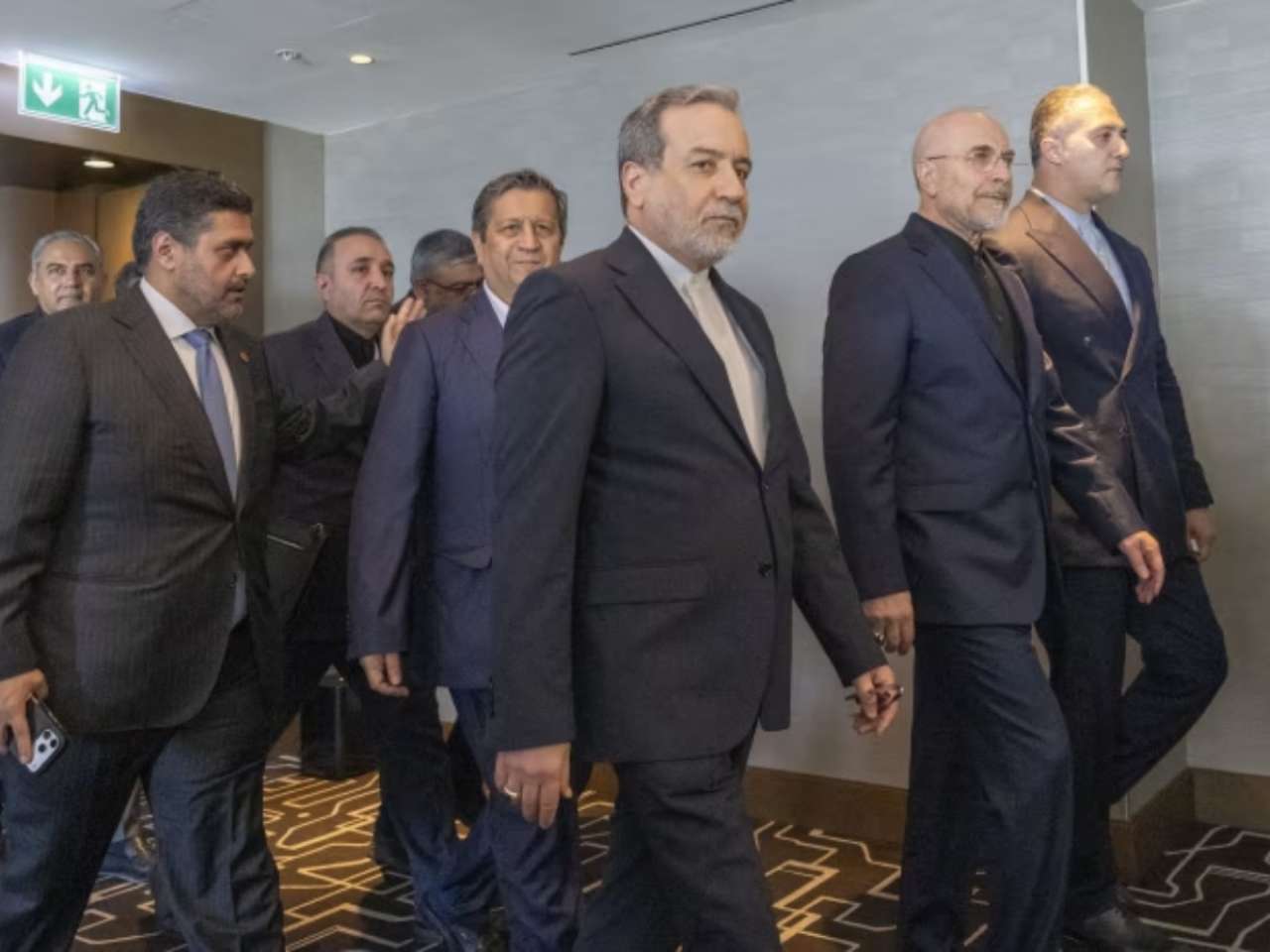
The United States government issued urgent warnings to Iran earlier this year, expressing serious concern that Israel planned to target high-ranking Iranian negotiators during delicate peace discussions. The warnings, communicated through regional intermediaries, identified Iranian Foreign Minister Abbas Araghchi and Parliament Speaker Mohammad Bagher Ghalibaf as potential targets. US intelligence indicated that these officials faced acute risks, particularly during travel associated with ceasefire negotiations. Officials feared that any successful assassination of these key diplomatic figures would lead to the total collapse of the peace process, potentially reigniting open conflict between the two nations after months of regional instability.
Security During Negotiations:
The heightened security concerns emerged as a direct consequence of ongoing regional tensions and previous Israeli strikes targeting high-ranking Iranian leadership since the conflict began in February 2026. US officials, wary of a complete breakdown in diplomacy, urged regional partners to facilitate communication with Tehran to prevent such incidents. In a notable security incident in April 2026, Iranian security forces ordered an emergency landing in Mashhad for a delegation returning from Islamabad after receiving intelligence that Israeli jets had entered Iranian airspace to intercept their plane. This episode highlighted the extreme volatility surrounding diplomatic outreach while active military operations continued across the region.
Future Diplomatic Stability:
The ongoing peace process remains fragile as both nations navigate security threats and internal political pressure. Negotiators have persisted in their efforts despite the personal risks, with recent meetings involving US Vice President JD Vance in Qatar and Switzerland reflecting a continued, albeit cautious, push for resolution. While the next round of indirect talks is anticipated following upcoming commemorative events, the success of the 14-point memorandum signed last month depends heavily on maintaining the safety of key delegations. The international community continues to monitor these developments, noting that the continuation of dialogue remains the primary mechanism to de-escalate hostilities.
Pulse Intelligence
AI AnalysisContext & Background
- Hostilities between Israel and Iran escalated significantly in February 2026 following an Israeli strike that killed the Iranian supreme leader.
- High-level US-Iran ceasefire negotiations began in April 2026 as both parties sought to manage the expanding conflict.
- Previous attempts at diplomacy have been frequently disrupted by military incidents and security concerns regarding the safety of Iranian negotiators.
Key Consequences
- The continuation of indirect talks remains contingent upon the confirmed safety of key Iranian diplomatic delegations.
- Regional intermediaries may increase surveillance and security coordination to prevent further airspace incursions during transit.
- Failure to protect negotiators could lead to the complete collapse of the 14-point memorandum currently under implementation.
Market & Economic Impact
No direct market impact.