
June 7, 2026 at 10:28 AM 2 min readhealthbreaking
Flesh-Eating Screwworm Outbreak in Texas Triggers Canada Cattle Ban and Disaster State
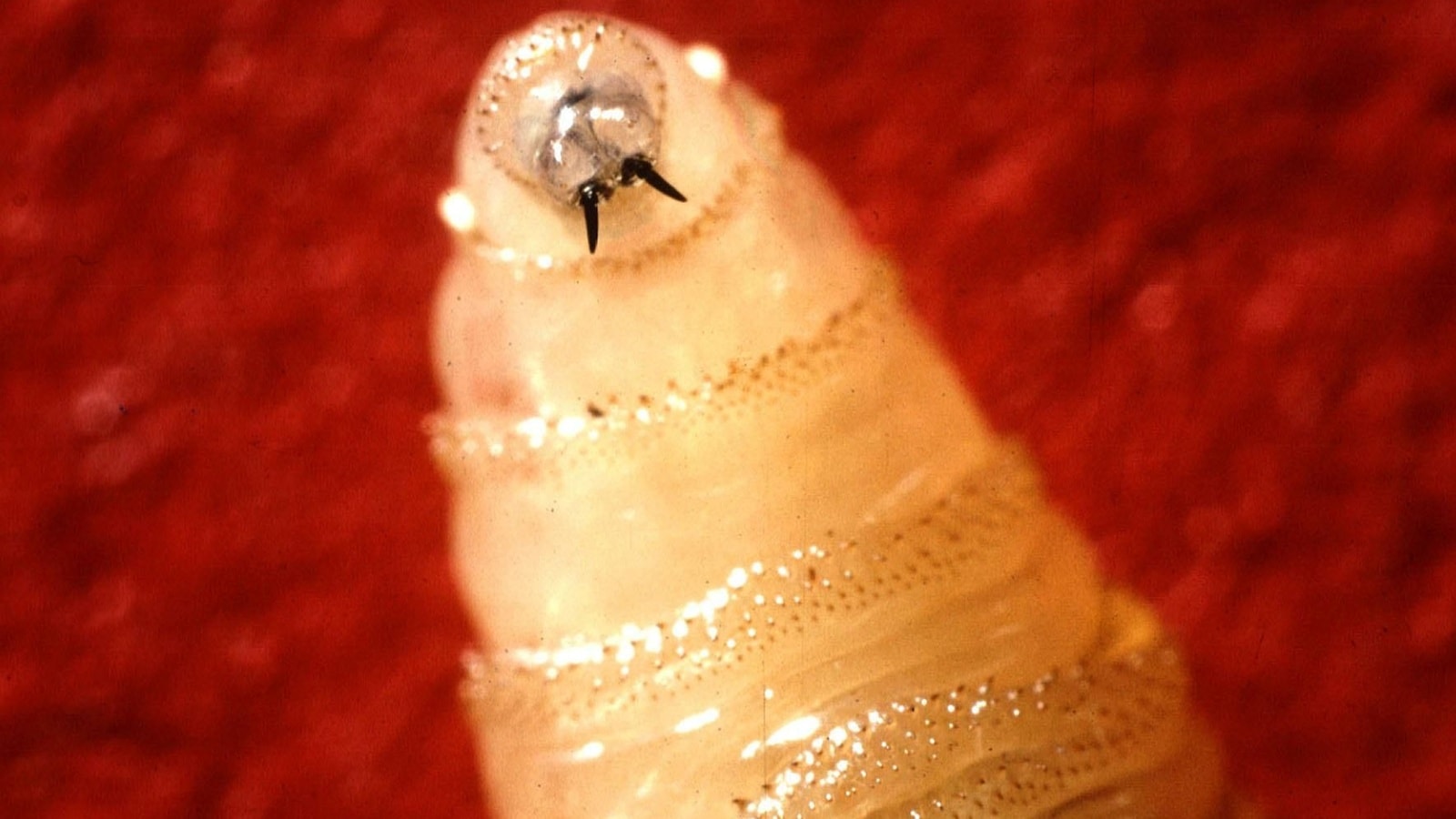
Texas Screwworm Disaster:
A dangerous resurgence of the flesh-eating screwworm parasite has prompted Texas authorities to declare a state of disaster after a second infected calf was identified in the state. The confirmation of this second case, located just miles from the first US case detected in over six decades, has triggered immediate international trade reactions. Canada has imposed a comprehensive ban on all Texas cattle imports, while the closure of key borders has severely disrupted North American livestock supply chains.
Parasitic Spread and Trade Fallout:
The screwworm parasite poses a severe threat to livestock as the flies deposit eggs in open wounds, where larvae hatch and feed on the living tissue of animals, often resulting in fatal infections. The deadly pests were detected in Mexico in late 2024 after years of being successfully contained at the southern end of Panama. The subsequent spread northward into Texas has immediately impacted major local feeding operations, such as Lubbock Feeders in West Texas, which now face empty pens as Mexico experiences an unexpected beef boom due to restricted US competition.
India’s Biosecurity Vigilance:
While the outbreak remains concentrated in North America, Indian agricultural and veterinary departments are closely monitoring the situation to protect the domestic livestock sector. India, which boasts the world's largest cattle population, maintains strict sanitary and phytosanitary import regulations on meat and live animal shipments to prevent the entry of exotic pests. Agricultural authorities are expected to tighten inspections on any imported animal products and leather hides from the affected North American regions to ensure the flesh-eating parasite does not threaten domestic dairy and beef markets.
Pulse Intelligence
AI AnalysisContext & Background
- The flesh-eating screwworm was successfully eradicated from the United States in 1966 using sterile insect technique programs.
- The parasite reappeared in Mexico in late 2024, breaching a long-standing biological barrier designed to keep the pests in Panama.
- North American cattle trade operates on highly integrated cross-border supply chains that are highly sensitive to disease outbreaks.
Key Consequences
- Canada and other trading partners will maintain livestock import bans on Texas until the state is certified screwworm-free.
- Mexican beef producers will experience a sustained market boom as Texas cattle processing and export activities remain suspended.
- US agricultural authorities will deploy millions of sterile flies over infested zones in Texas to biologically suppress the pest population.
Market & Economic Impact
The disruption in North American beef supply chains could push global beef prices higher, indirectly benefiting Indian buffalo meat exporters.