
June 26, 2026 at 03:13 AM 2 min readhealthanalysis
Universal Gut Microbiome Pattern Identified as Early Indicator for Colorectal Cancer
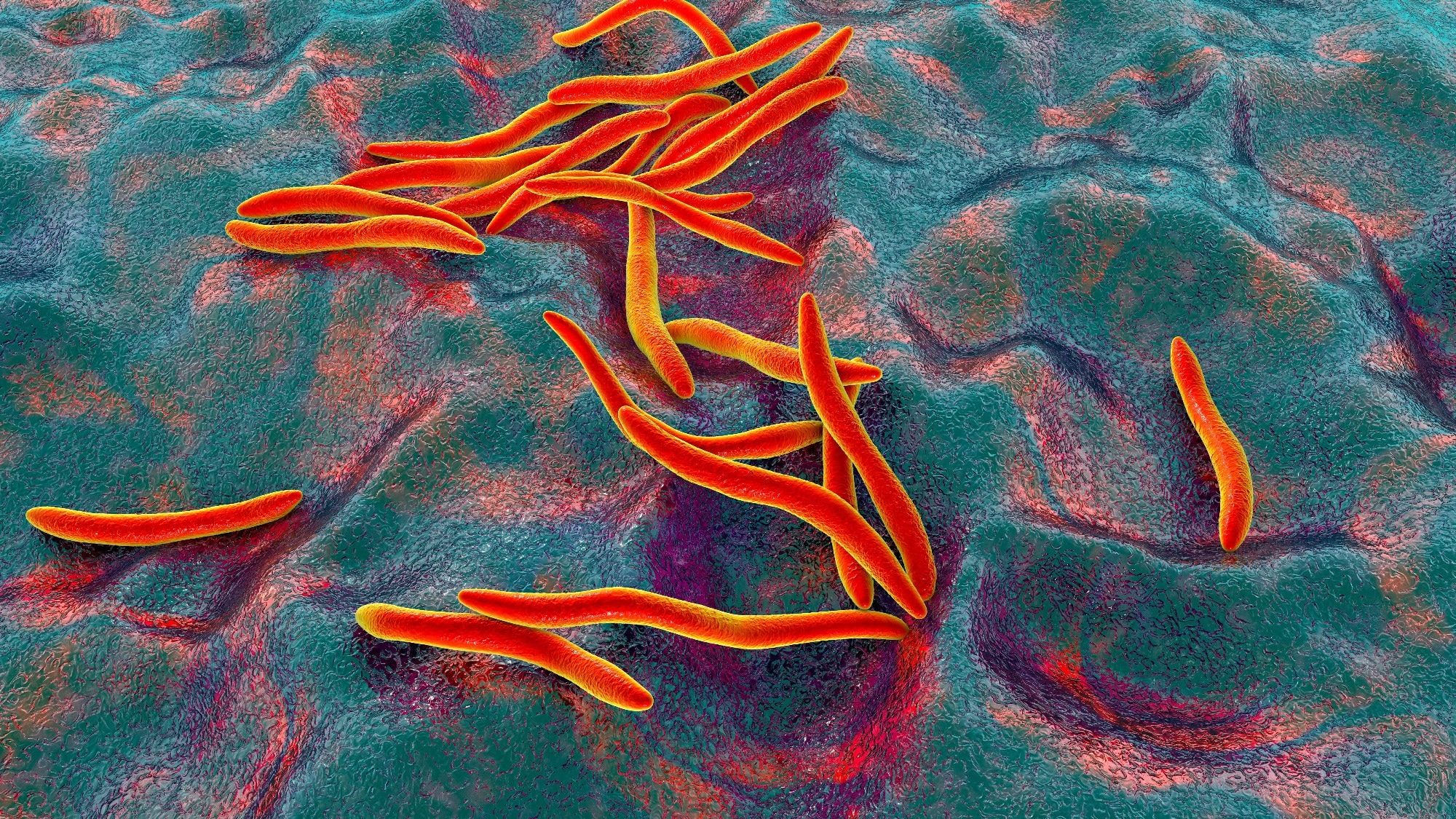
Microbiome Cancer Link:
Researchers have identified a universal pattern within the human gut microbiome that appears strongly linked to the presence of colorectal cancer. This breakthrough, published in recent scientific findings, suggests that specific shifts in microbial composition may act as an early biomarker for the disease. By analyzing the bacterial signatures present in the digestive tract, clinicians could potentially develop non-invasive diagnostic tools that identify malignancy risks before traditional screening methods, such as colonoscopies, detect visible tumours.
Significance of the Pattern:
The consistency of this microbiome pattern across diverse demographics indicates a shared biological feature in colorectal cancer cases. Scientists have long theorized that gut bacteria play a role in metabolic health, but this discovery provides a more targeted framework for understanding how dysbiosis—an imbalance of microbial populations—may facilitate cancerous growth. This finding is particularly notable for its potential to move diagnostic efforts toward proactive screening rather than reactive treatment.
Public Health Impact:
Identifying a universal microbial marker could radically change colorectal cancer management, particularly in regions where early screening access is limited. While further validation studies are required to confirm the accuracy and scalability of these findings in large-scale clinical trials, the medical community views this as a vital step toward precision oncology. The development of a stool-based or blood-based microbial test would offer an easier, lower-cost alternative to conventional procedures, potentially increasing patient compliance and survival rates through early detection.
Pulse Intelligence
AI AnalysisContext & Background
- Colorectal cancer remains a leading cause of cancer-related mortality globally, often diagnosed in later stages when outcomes are less favorable.
- The gut microbiome has been a central focus of recent biomedical research, revealing its impact on immunity, metabolism, and chronic disease.
- Current colorectal cancer screenings often rely on invasive colonoscopies or fecal occult blood tests, which face challenges regarding patient adherence and sensitivity.
Key Consequences
- The discovery could lead to the development of new, accessible, and non-invasive diagnostic tests for colorectal cancer risk assessment.
- Increased focus on microbiome-targeted therapies or probiotics may become a part of future preventative cancer strategies.
- Widespread clinical adoption of microbiome testing could reduce the burden on healthcare systems by enabling earlier and more efficient interventions.
Market & Economic Impact
No direct market impact.