
June 25, 2026 at 07:08 AM 2 min readhealthdeveloping
UN Member States Adopt New Declaration to Eradicate HIV/AIDS by 2030
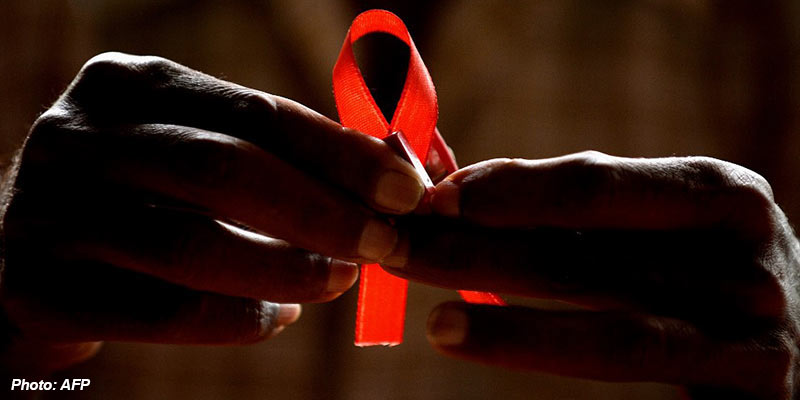
Global Commitment to End AIDS:
United Nations Member States have formally adopted a new political declaration following a High-Level Meeting on HIV/AIDS in Geneva. The agreement outlines an ambitious roadmap to sustain progress in the global HIV response, targeting the elimination of AIDS as a public health threat by 2030 despite international funding challenges and headwinds against human rights protections.
Strategic Goals and Targets:
The 2026 declaration serves as a continuation of the Global AIDS Strategy, explicitly committing to the '95-95-95' targets. This framework aims for 95 percent of people living with HIV to know their status, 95 percent of those to be on treatment, and 95 percent of individuals on treatment to achieve viral suppression. The pact emphasizes equitable access to testing, technology sharing, and the strengthening of local manufacturing for HIV medicines.
Integrated Healthcare Integration:
Countries pledged to integrate HIV services into broader universal health coverage and primary healthcare systems to ensure long-term continuity of care. The response prioritizes human rights, gender equity, and community leadership to eliminate stigma and violence. Looking forward, the UN has planned a follow-up review meeting in 2031 to assess the success of these commitments in achieving the 2030 milestone.
Pulse Intelligence
AI AnalysisContext & Background
- The UN Member States originally adopted the 95-95-95 testing and treatment targets in June 2021.
- Recent years have seen concerns regarding the sustainability of HIV/AIDS funding and the impact of the global pandemic on specialized health services.
Key Consequences
- Increased focus on strengthening regional and local capacity for pharmaceutical production in developing nations.
- Enhanced integration of HIV-specific monitoring within broader national primary healthcare reporting systems.
- Strengthened advocacy efforts for gender equality and protection of rights in marginalized communities.
Market & Economic Impact
No direct market impact.