
June 24, 2026 at 07:41 AM 2 min readworlddevelopingAI Image
IMO and UN Launch Urgent Evacuation of 11,000 Seafarers Stranded in Persian Gulf
Humanitarian Crisis Response:
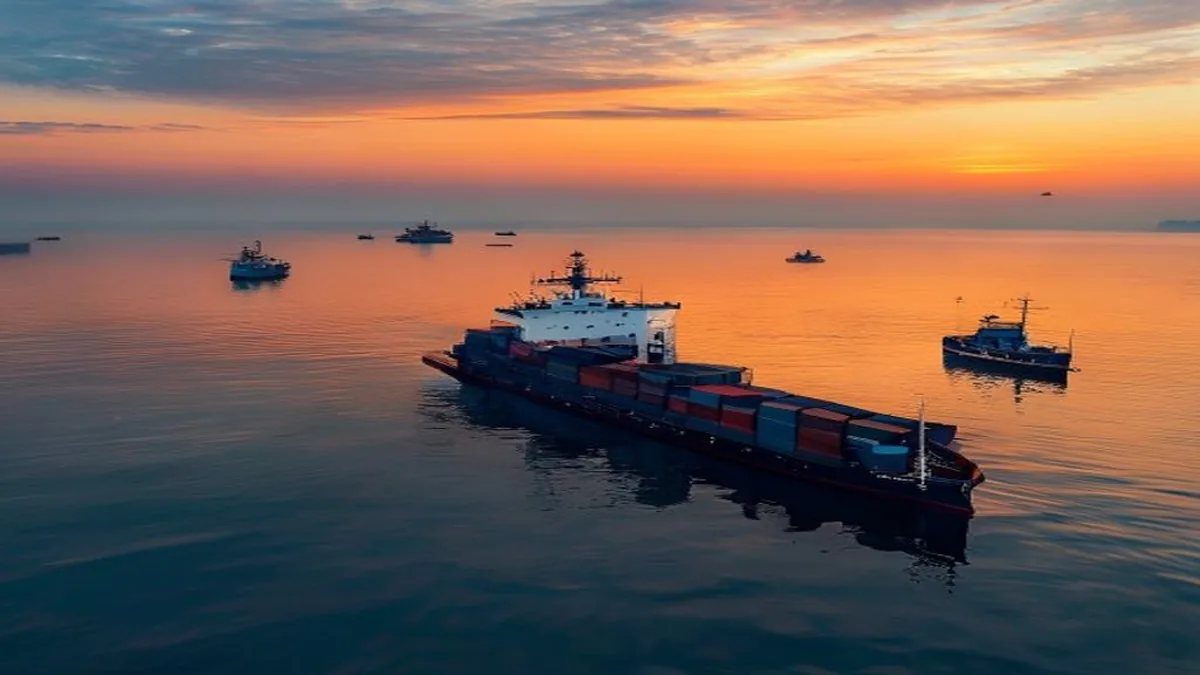
The International Maritime Organization (IMO) and the United Nations have launched a massive, coordinated emergency operation to evacuate approximately 11,000 seafarers currently trapped in the Persian Gulf. This maritime contingency plan is designed to resolve a mounting crisis as geopolitical instability and an effective blockade near the Strait of Hormuz have halted commercial shipping traffic. Thousands of crew members have been stranded on dozens of vessels for weeks without access to regular supplies, safe rotation, or basic services, leaving them effectively held captive by the maritime deadlock.
Drivers of Maritime Stasis:
The blockade is the result of escalating regional volatility and localized conflict that has paralyzed the world’s most critical energy transit route. Diplomatic efforts to negotiate safe passage or toll-free transit have repeatedly failed due to the refusal of regional actors to relinquish control over these waters. The situation is complicated by security threats and arbitrary toll demands, which have forced the international community to step in to prevent the total abandonment of merchant ships and ensure the welfare of the international maritime workforce caught in this high-risk zone.
Global Implications:
The success of this evacuation—the largest of its kind in recent years—is vital for global energy security. India, which relies heavily on these lanes for a significant portion of its crude oil and gas imports, is monitoring the situation closely as the safe passage of sailors is viewed as a prerequisite for potentially reopening the strait for commercial navigation. Regional navies are coordinating with UN agencies to establish safe corridors, while global shipping firms face rising insurance premiums and the long-term prospect of permanently altering transit routes to avoid this volatile region.
Pulse Intelligence
AI AnalysisContext & Background
- Regional geopolitical instability has created a de facto blockade of the Strait of Hormuz, causing an indefinite suspension of most commercial maritime shipping.
- Merchant seafarers have been trapped on their vessels for weeks, raising alarms about the humanitarian conditions of international crews.
- The Indian government has publicly expressed deep concern over the security of Indian nationals working on commercial fleets currently caught in the Persian Gulf.
Key Consequences
- The UN operation aims to mitigate the immediate humanitarian crisis and ensure the physical safety of thousands of international maritime personnel.
- Prolonged disruption of the Strait of Hormuz is expected to place sustained upward pressure on global energy prices and increase shipping insurance costs.
- Global shipping companies are likely to adjust long-term maritime routes to avoid the Strait of Hormuz, permanently shifting international trade patterns.
Market & Economic Impact
Supply chain disruptions and energy security concerns in the Gulf will likely drive crude oil price volatility in Indian and global markets.