
June 8, 2026 at 08:59 PM 2 min readworldbreakingAI Image
NATO Jets Down Drone Over Latvia Amid Escalating Ukraine Conflict Spillover Fears
Security Incident:
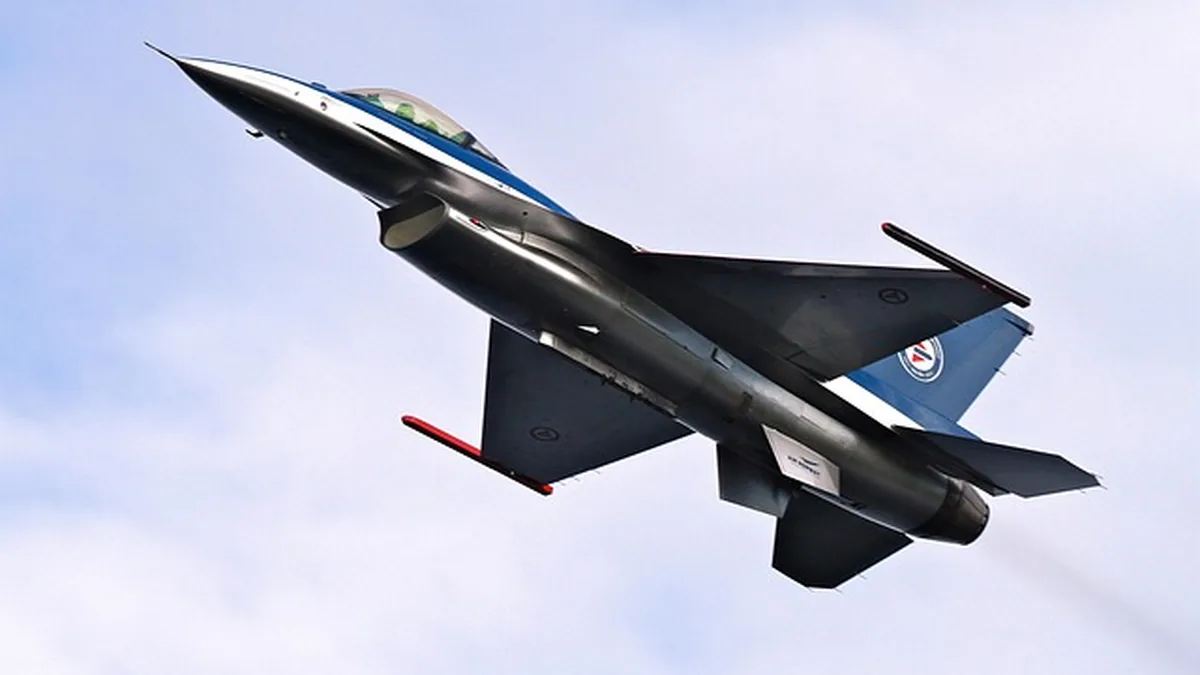
NATO aircraft successfully intercepted and downed an unmanned aerial vehicle (UAV) within Latvian airspace on June 8, 2026. The Latvian military stated that the drone had entered national airspace due to Russian electronic warfare activities, marking a significant breach that has heightened regional security concerns regarding the spillover of the ongoing conflict in Ukraine.
Military Response and Investigation:
This intercept reflects an increased posture by NATO forces across the Baltic region as they monitor potential incursions linked to the broader regional conflict. Latvian defense officials are investigating the technical details of the drone and the circumstances behind its entry, working in coordination with alliance partners to bolster air defense protocols and prevent future violations of sovereign territorial integrity.
Broader Strategic Implications:
The downing of the drone underscores the fragility of the security situation in Eastern Europe, where electronic interference and aerial maneuvers are increasingly threatening to widen the conflict. NATO’s swift response serves as a deterrent to further incursions and signals a commitment to defending the collective airspace of its member nations as tensions between the alliance and neighboring actors remain at a critical high.
Pulse Intelligence
AI AnalysisContext & Background
- NATO has significantly increased its air policing missions in the Baltic states since the conflict in Ukraine began.
- Electronic warfare activities have become more frequent in the region, leading to persistent concerns about unintended escalations.
Key Consequences
- Member states in the Baltic region will likely demand an increase in air defense resources from the NATO alliance.
- Latvia and its allies may implement more stringent protocols for monitoring and intercepting aerial threats near their borders.
- The incident will likely lead to further diplomatic friction between NATO member states and involved regional actors.
Market & Economic Impact
No direct market impact.