
June 28, 2026 at 05:07 PM 2 min readworlddeveloping
Ukraine Intensifies Long-Range Drone Strikes on Russian Oil Refineries
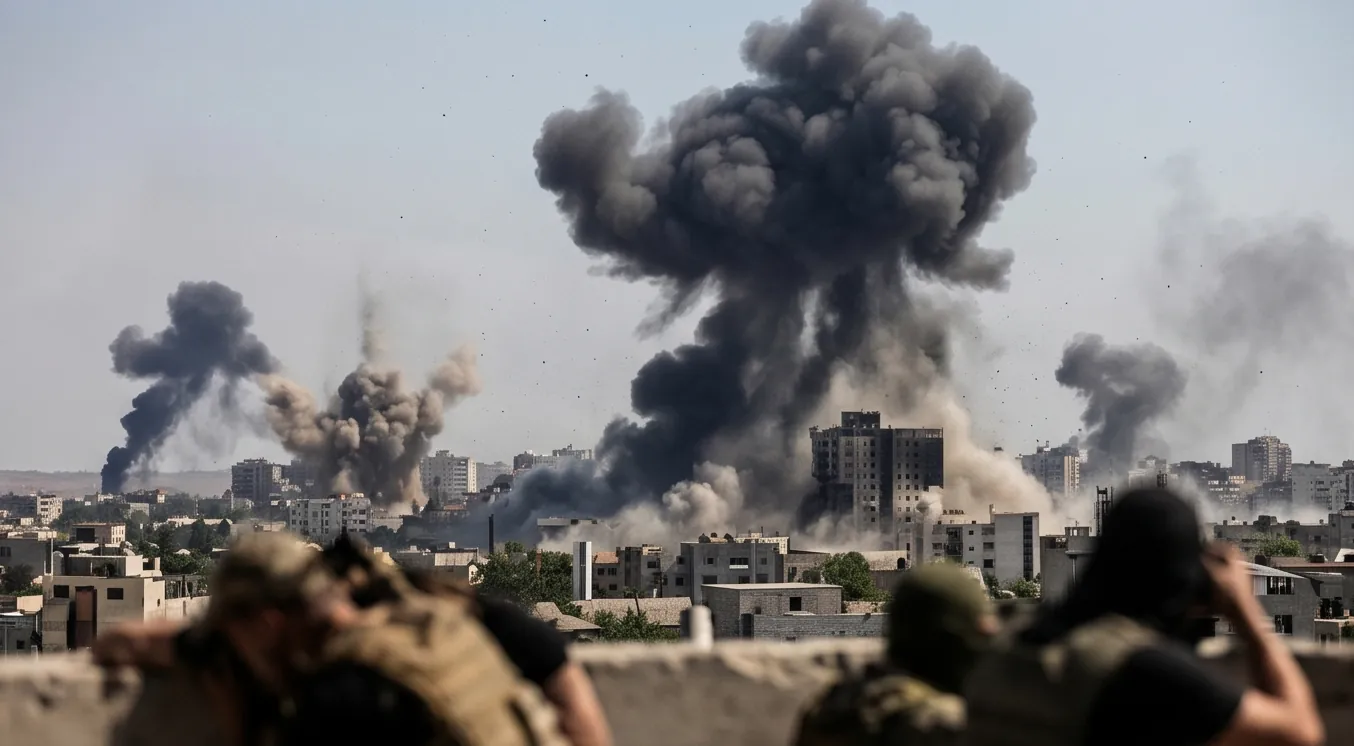
Escalation of Energy Warfare:
Ukrainian forces have significantly intensified their campaign against Russia’s energy infrastructure, launching long-range drone strikes on oil refineries in the Krasnodar region, Slavyansk, and Yaroslavl. These attacks, conducted hundreds of kilometers from the front lines, have caused explosions and fires at critical fuel processing facilities. Russian officials confirmed the incidents, noting localized damage and fatalities, as Kyiv seeks to systematically degrade the industrial capacity that powers the Kremlin’s military operations. These strikes reflect a broader strategy to create logistical bottlenecks and disrupt fuel supply chains for Russian ground units.
Strategic and Diplomatic Fallout:
The attacks are a component of Ukraine's effort to reduce the export revenue that funds Russia's invasion. By forcing Moscow to divert air defense systems from the front lines to protect industrial sites, Kyiv is stretching Russian military resources. This aggressive posture has complicated regional diplomacy, as the ongoing strikes threaten the stability of the June 17, 2026, ceasefire memorandum. President Vladimir Putin has maintained a firm stance on territorial demands, while the continued drone warfare makes the path toward a sustainable, long-term peace agreement increasingly difficult for international mediators to navigate.
Global Economic Impact:
The targeting of Russia’s energy sector has contributed to persistent volatility in global energy markets. For countries like India, which remains a major importer of Russian crude, these disruptions pose risks to supply chain predictability and global pricing. Even when crude exports remain steady, refinery damage reduces the availability of processed fuel, which can tighten global margins and influence inflationary pressures. Analysts suggest that the world should monitor for potential Russian retaliatory strikes against Ukraine’s power grid, as this cycle of energy warfare continues to influence global Brent crude benchmarks.
Pulse Intelligence
AI AnalysisContext & Background
- Ukraine has intensified long-range drone strikes on Russian energy targets since early 2024 to counteract the ongoing invasion.
- The Krasnodar region serves as a vital hub for Russian oil processing and exports through the Black Sea.
- A fragile memorandum of understanding signed on June 17, 2026, intended to establish a temporary ceasefire between the warring nations.
Key Consequences
- Russia is expected to retaliate with missile strikes targeting Ukraine’s power grid and essential civilian infrastructure.
- Global crude oil prices will likely remain volatile as energy infrastructure in the conflict zone becomes increasingly vulnerable to attack.
- Diplomatic prospects for a near-term breakthrough in peace negotiations remain dim due to the escalation of energy-focused hostilities.
Market & Economic Impact
The sustained campaign against major energy facilities is causing significant uncertainty and price volatility in international crude oil markets.