
July 8, 2026 at 04:43 AM 2 min readworldanalysis
Trump Administration Signals Pivot on US-Turkiye Defense Ties at NATO Summit
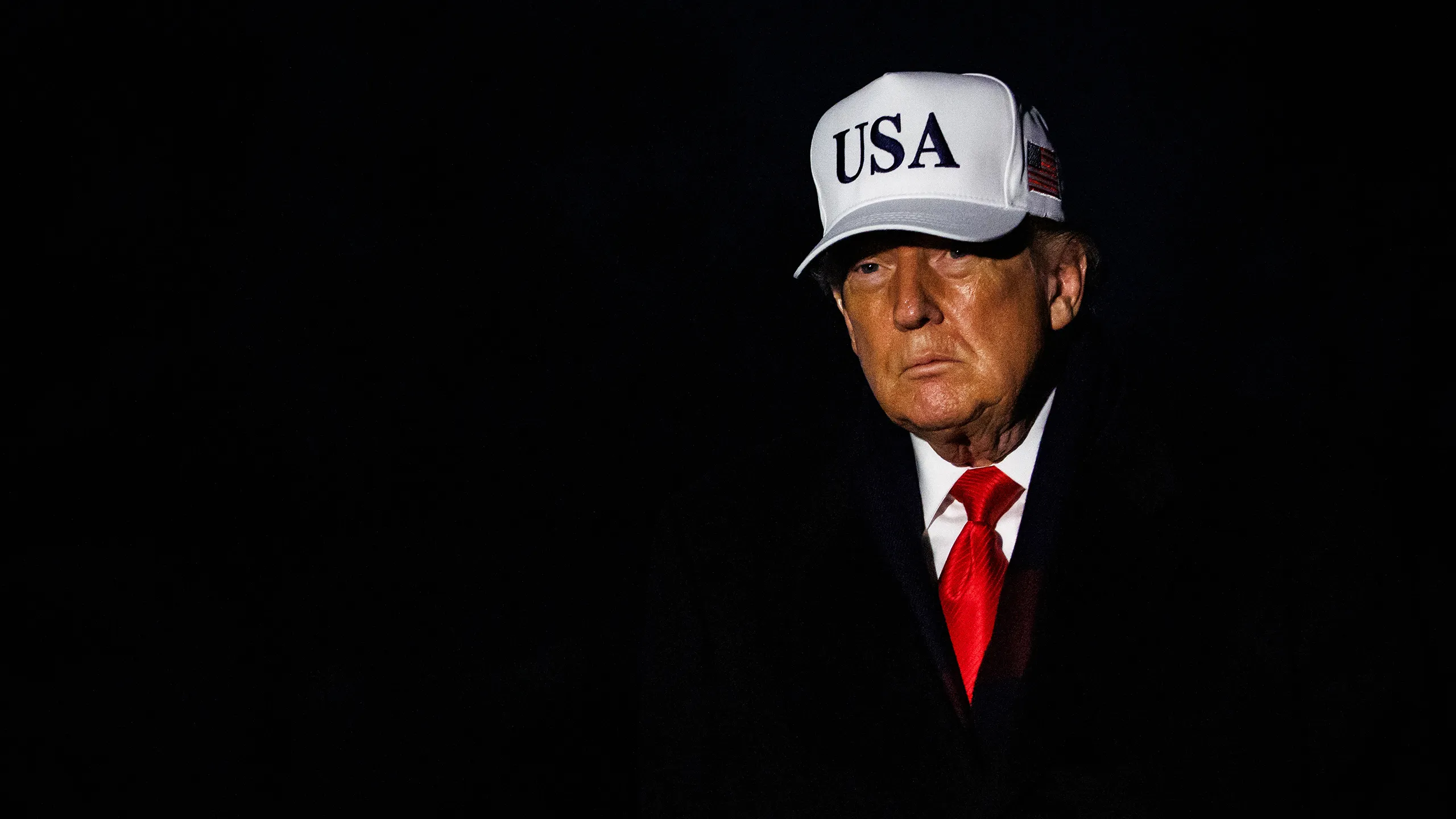
Diplomatic Thaw:
During a high-profile NATO summit in The Hague, the Trump administration signaled a significant shift in its posture toward Turkiye. President Trump announced his intent to lift long-standing sanctions and reconsider the sale of F-35 stealth fighter jets to Ankara. This reversal marks a major thaw in bilateral relations, which had been deeply strained since 2019 following Turkiye's procurement of the Russian S-400 air defense missile system. Turkish President Recep Tayyip Erdogan welcomed the leader with full state honors, highlighting the move as a return to strategic cooperation.
Historical Hurdles:
The US-Turkiye relationship faced years of volatility after Washington removed Ankara from the F-35 program and imposed sanctions under the Countering America's Adversaries Through Sanctions Act (CAATSA). This acquisition triggered severe US penalties designed to enforce internal NATO technical compatibility, ultimately driving Turkiye to seek alternative defense partnerships. However, the potential resumption of F-35 sales faces complex legal obstacles, including a 2020 US law that prevents the transfer of the jets as long as Turkiye retains the Russian S-400 system in its active inventory.
Global Security Repercussions:
The announcement has sparked regional friction, particularly from Israeli Prime Minister Benjamin Netanyahu, who warned that integrating Turkiye back into the F-35 program could destabilize the Middle East's military balance. While some US lawmakers remain open to a diplomatic solution, the move signals a calculated US pivot toward transactional diplomacy. For India, this development is highly significant; the potential lifting of CAATSA sanctions on Turkiye suggests a broader weakening of US secondary sanctions regimes. Consequently, European NATO members are now accelerating independent, off-balance-sheet defense projects to mitigate risks posed by increasingly unpredictable US security commitments on the global stage.
Pulse Intelligence
AI AnalysisContext & Background
- Turkiye was excluded from the F-35 program in 2019 after purchasing Russian S-400 defense systems, triggering CAATSA sanctions.
- US law currently prevents the transfer of F-35 fighter jets to any nation retaining active Russian S-400 systems.
- NATO allies in The Hague previously pledged to increase core defense spending to 3.5 percent of GDP.
Key Consequences
- Renewed cooperation on F-35 jets could lead to a deeper strategic partnership between the US and Turkiye.
- The decision may cause diplomatic friction between the Trump administration and Israeli leadership regarding regional security.
- European nations are likely to accelerate independent defense initiatives to reduce reliance on volatile US military guarantees.
Market & Economic Impact
Lifting CAATSA sanctions may boost Turkish defense equities and influence India's ongoing discussions with the US regarding its own S-400 purchases.