
June 30, 2026 at 10:14 AM 2 min readhealthdeveloping
Tranexamic Acid Reduces Post-Surgery Liver Failure Risk
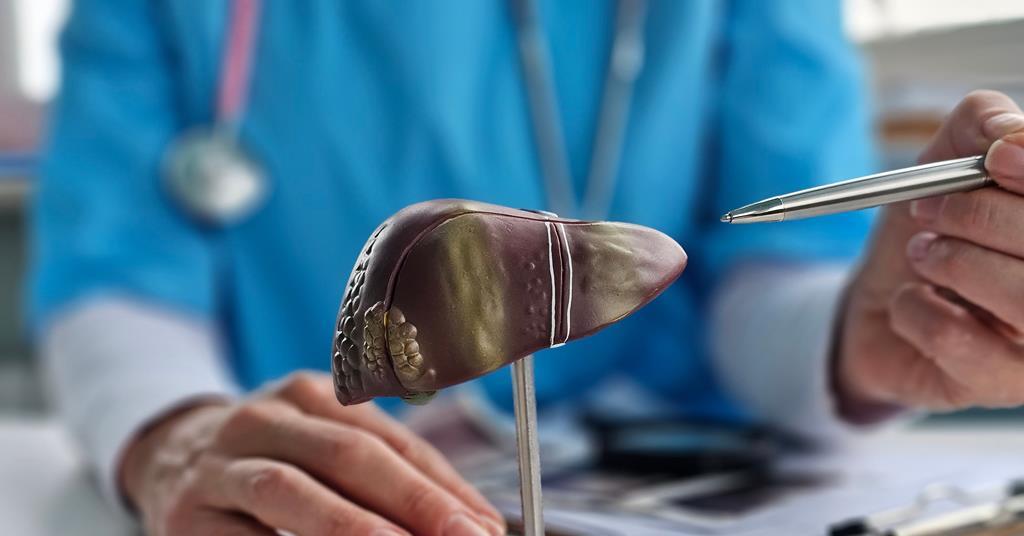
Tranexamic Acid Liver Study:
Research conducted by the Mayo Clinic demonstrates that the common drug tranexamic acid can significantly reduce the risk of life-threatening liver failure following hepatectomy procedures. The study indicates a threefold decrease in liver failure risk for patients administered this medication, providing a potential breakthrough in post-operative care. Researchers observed that the drug helps stabilize physiological functions in the liver during the critical recovery phase, challenging previous assumptions about how the organ initiates repair after surgical interventions.
Scientific Context and Discovery:
The finding stems from an investigation into how the liver modulates its recovery process after the resection of tissue. Traditionally, clinical understanding focused on regenerative cell growth, but the new discovery highlights the role of coagulation-related pathways that tranexamic acid targets. By inhibiting specific breakdowns in the liver's vascular stability, the drug prevents the secondary damage often observed in the immediate post-operative window, offering a more effective safeguard against complications.
Implications for Clinical Practice:
This discovery could lead to a change in standard surgical protocols for liver patients, potentially reducing hospital stay durations and post-operative mortality rates. As medical facilities review these findings, surgeons may begin incorporating tranexamic acid as a routine prophylactic treatment for high-risk hepatectomy cases. Future clinical trials will focus on optimizing dosages to ensure maximum safety and efficacy across diverse patient demographics, moving the therapy from experimental research into standard surgical practice.
Pulse Intelligence
AI AnalysisContext & Background
- Hepatectomy, the surgical removal of liver tissue, carries inherent risks including post-operative liver failure and bleeding complications.
- Researchers have traditionally focused on cell proliferation as the primary mechanism for liver repair, often overlooking the impact of coagulation pathways.
Key Consequences
- Surgeons may shift toward prophylactic use of tranexamic acid in standard hepatectomy procedures to prevent patient complications.
- The medical community will likely initiate larger-scale clinical trials to confirm the efficacy of this drug across different liver surgery types.
Market & Economic Impact
No direct market impact.