
June 17, 2026 at 10:06 AM 2 min readaideveloping
Tesla Campaign Opposes New Jersey Robotaxi Bill Amid Safety Disputes
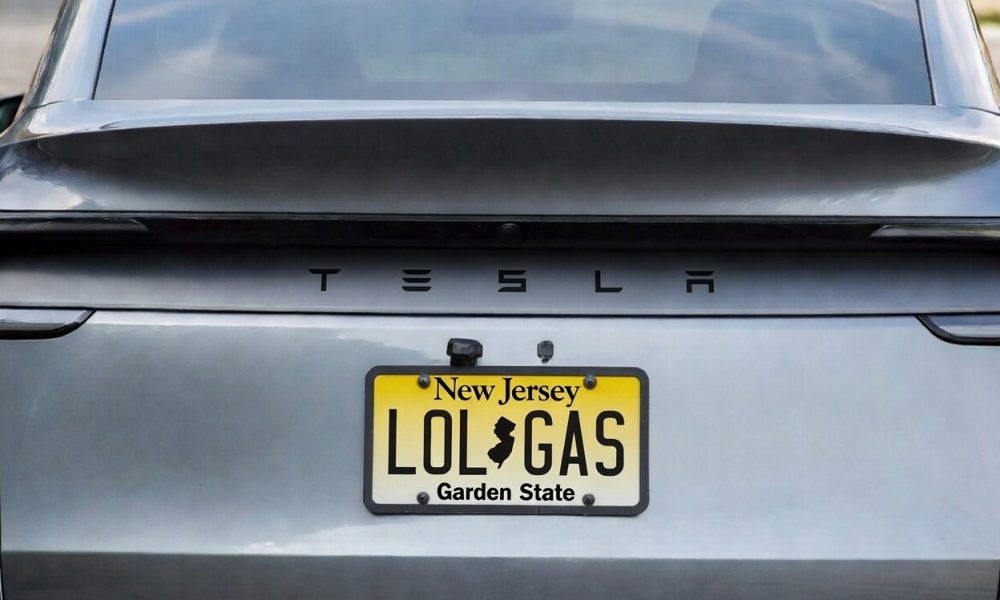
Tesla Legislative Push:
Tesla has launched an advocacy campaign urging New Jersey customers to oppose proposed state legislation—Senate Bill S.1677 and Assembly Bill A.3968—that the company warns would effectively block the deployment of autonomous Robotaxis. The bills, which propose a three-year pilot program, include requirements for human safety drivers, $5 million insurance minimums, and a mandate for 100,000 miles of demonstrated safe autonomous driving. Tesla contends these criteria are arbitrary, technology-unfriendly barriers that prioritize the status quo over proven safety performance and ignore the potential for robotaxis to eliminate human-error-related accidents.
Regulatory Conflict:
The legislation is framed by its supporters, including New Jersey Senator Andrew Zwicker, as a cautious, safety-first framework that includes expert task forces and incident reporting. Tesla, however, argues the bill is a de facto ban on driverless technology, contrasting New Jersey’s regulatory stance with more permissive states like Texas, where unsupervised autonomous vehicles are already operating. The company’s communication emphasizes the broader economic risks, suggesting that restrictive measures could cost the state investment, job creation, and long-term innovation in the autonomous vehicle sector.
Broader Implications:
This dispute highlights the escalating national tension between automotive manufacturers seeking rapid deployment of autonomous systems and state-level regulators focused on public safety oversight. For India’s evolving automotive tech sector, which is increasingly focused on EVs and driver-assistance systems, this conflict provides a cautionary tale on how regulatory frameworks can either accelerate or stifle the adoption of advanced mobility solutions. As hearings approach, the outcome in New Jersey is expected to set a significant precedent for how other states—and potentially international markets—approach the certification and commercial scaling of fully driverless ride-hailing services.
Pulse Intelligence
AI AnalysisContext & Background
- Tesla has a history of regulatory battles in New Jersey, particularly regarding its direct-to-consumer vehicle sales model.
- Unsupervised Robotaxis are already operating in several U.S. states, including Texas, creating a fragmented regulatory landscape across the country.
Key Consequences
- The lobbying effort could lead to amendments in the proposed New Jersey bills to soften entry requirements for autonomous vehicle operators.
- Failure to amend the legislation might result in Tesla delaying or abandoning plans for Robotaxi deployment within the state.
- The national debate over autonomous vehicle regulations may become more polarized as Tesla and other manufacturers push for outcome-based safety standards.
Market & Economic Impact
The regulatory uncertainty in New Jersey represents a potential barrier to Tesla's autonomous service expansion, which remains a key component of its long-term market valuation.