
July 1, 2026 at 10:10 AM 2 min readautoanalysis
Tata Motors Targets UK Market With New Electric Vehicle Export Push
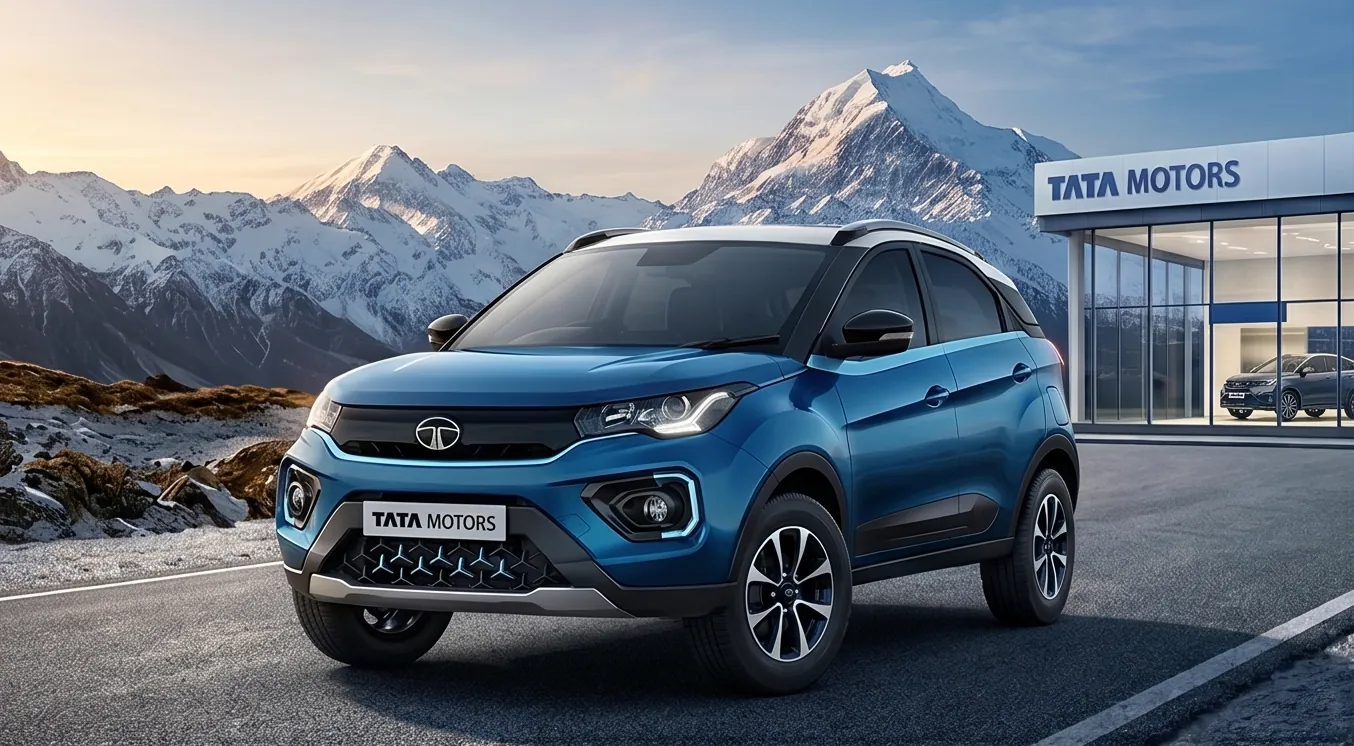
Tata Motors Export Strategy:
Tata Motors is aggressively scaling its international presence by targeting the United Kingdom as its primary export hub for electric vehicles. The company selected the UK due to its right-hand-drive market alignment, which allows for seamless adoption of Indian-manufactured electric cars without significant engineering modifications. This strategic move leverages existing infrastructure to establish a foothold in a mature automotive market. The company expects these exports to serve as a cornerstone of its global growth agenda while demonstrating the manufacturing prowess of the Indian automotive sector to international consumers.
Bilateral Trade Agreement Impact:
The automotive giant's export push aligns directly with the upcoming India-UK Comprehensive Economic and Trade Agreement. This bilateral trade deal features a phased, duty-free export quota specifically for Indian-manufactured electric vehicles. The trade pact's tariff-free export quota starts at 17,600 electric cars annually in its sixth year. This volume will gradually scale up to 88,000 units per year by the fifteenth year. Tata Motors plans to tap this duty-free channel to expand its international footprint and compete effectively against established global manufacturers in European markets.
Sierra EV Launch and Future Goals:
The export roadmap coincides with the launch of the Sierra EV, alongside the development of the premium, global-focused Avinya electric range. Tata Motors is expanding its model portfolio from nine to 15 vehicles to support long-term volume growth. The automaker aims to scale its total passenger vehicle sales past 1.2 million units annually by FY31. Global exports are expected to serve as a primary growth engine to achieve this target. The strategy will position India as a key manufacturing hub for global electric mobility.
Pulse Intelligence
AI AnalysisContext & Background
- Tata Motors has been aggressively expanding its electric vehicle lineup in India over the past three years.
- The India-UK trade negotiations have been ongoing for several years, focusing on lowering barriers for key manufacturing sectors.
Key Consequences
- Tata Motors will significantly increase its export volumes to European markets starting in the next five years.
- The duty-free quota under the India-UK trade pact will likely improve profit margins on vehicles sold in the UK.
- Expansion of the passenger vehicle portfolio will challenge existing global EV manufacturers in the premium category.
Market & Economic Impact
Tata Motors stock may see long-term benefits as the company establishes itself as a major global exporter of electric vehicles.