
July 3, 2026 at 10:10 AM 2 min readautoanalysis
Tata Motors Defends EV Strategy Amid Sierra and Harrier Price Overlap
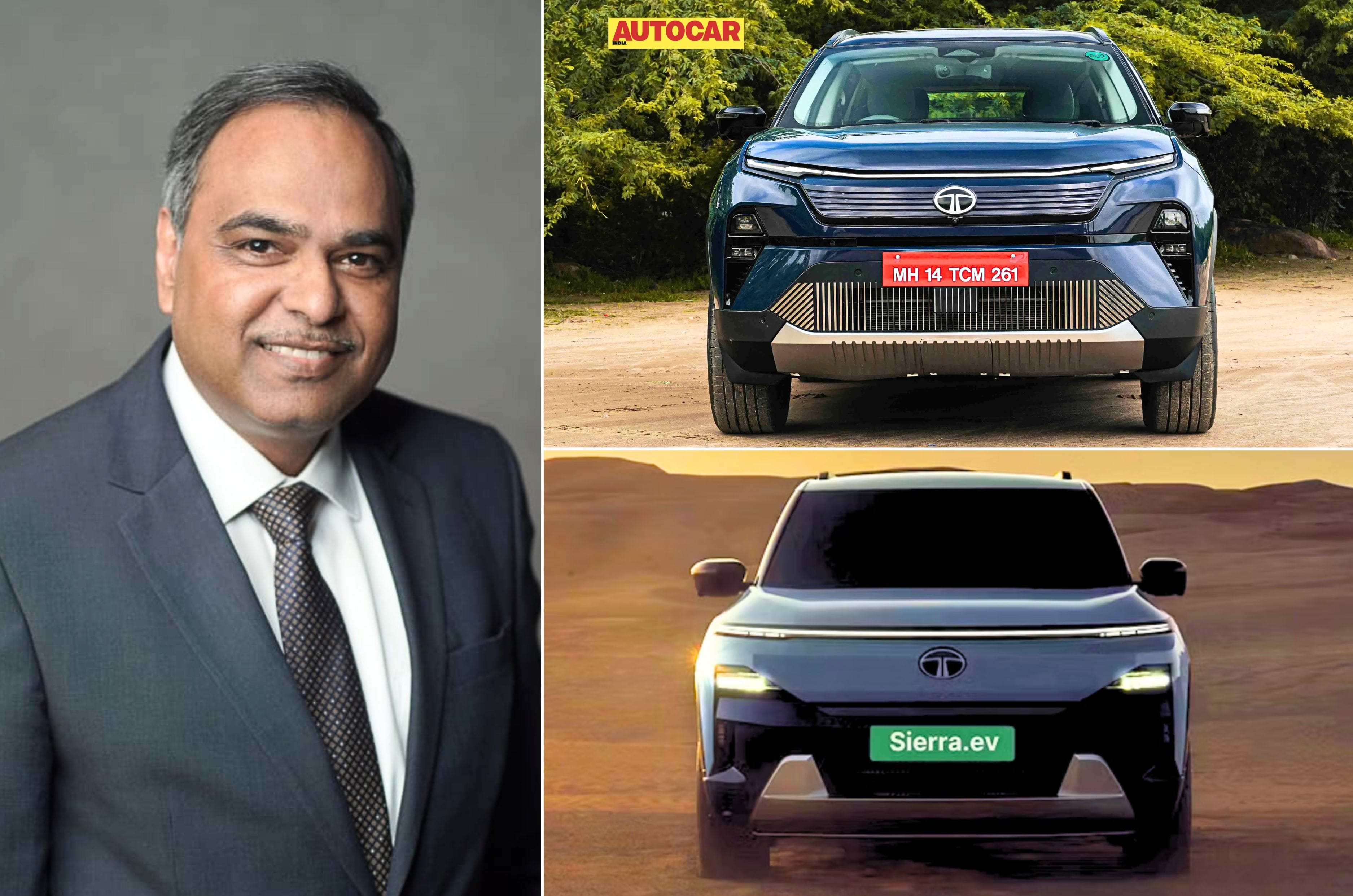
Tata EV Portfolio Expansion:
Tata Motors is defending its electric vehicle product strategy against rising concerns of internal product cannibalisation. The upcoming launch of the Sierra EV creates significant price overlaps with both the Curvv EV and Harrier EV models. The Sierra EV is priced between ₹18.79 lakh and ₹25.99 lakh. The Harrier EV sits slightly higher, ranging from ₹21.49 lakh to ₹28.99 lakh. Managing Director Shailesh Chandra clarified that distinct dimensions, styling, and vehicle character will separate the buyer profiles. Buyers do not evaluate vehicles solely on price and specifications.
Shared Tech Stack Benefits:
The Sierra EV and Harrier EV share critical powertrain components to optimize engineering and localization costs. Both models utilize similar battery capacities, common front and rear drive units, and thermal management systems. They also share advanced features like all-wheel-drive capability and advanced driver assistance systems. Chief Product Officer Anand Kulkarni explained that while these vehicles use a common technology stack, they are tuned differently. This shared platform approach allows Tata Motors to distribute supplier-development costs and achieve manufacturing scale across its premium electric portfolio.
Supply Bottlenecks and Demand:
Immediate market cannibalisation remains limited because of severe production constraints for Tata's premium electric SUVs. Chandra revealed that consumer demand for the Harrier EV is currently double the company's supply capacity. The manufacturer is actively working on capacity expansion and supplier debottlenecking to close this production gap. Constraints primarily involve battery-pack production and power electronics components. As the Indian electric vehicle market grows, this dual-model strategy will test if Tata can expand its overall customer base.
Pulse Intelligence
AI AnalysisContext & Background
- Tata Motors has established a dominant position in the Indian electric passenger vehicle market by offering distinct models across various price points.
- The company has increasingly relied on common platforms and shared EV technology to reduce the high capital expenditure associated with localized component manufacturing.
Key Consequences
- Tata Motors will focus on debottlenecking its battery-pack and power electronics supply chain to increase production rates for the Harrier EV.
- The pricing overlap may prompt prospective premium SUV buyers in India to compare cabin features and styling over raw specifications.
- Success of this shared-platform strategy could encourage other Indian automakers to co-develop multiple distinct EV models on unified architectures.
Market & Economic Impact
Optimizing shared components across premium EV models will help Tata Motors lower engineering costs and protect operating margins amid domestic supply chain constraints.