
June 28, 2026 at 06:36 PM 2 min readtechanalysis
Taiwanese Corporate Profitability Surges on AI Demand
Record Profit Gains:
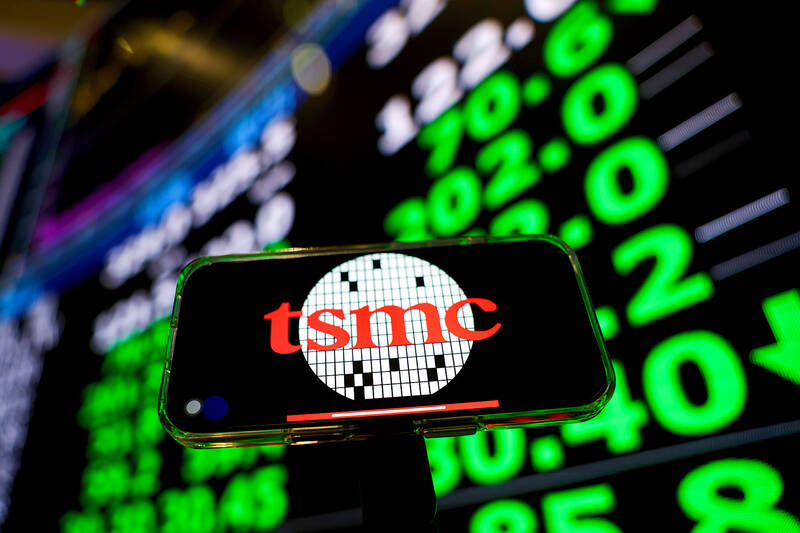
Taiwan's 5,000 largest companies recorded a significant 11% increase in aggregate net profit last year, totaling NT$5.77 trillion. This growth was largely fueled by soaring global demand for artificial intelligence applications, which bolstered the output and profitability of the region's massive tech manufacturing sector. Contract chipmaker TSMC emerged as the clear leader in this performance, reporting a net profit of NT$1.72 trillion and revenue of NT$3.78 trillion, highlighting the critical dependence of the global AI supply chain on Taiwanese silicon fabrication capabilities and infrastructure.
Uneven Economic Performance:
Despite the impressive headline gains, the corporate landscape showed notable signs of disparity. While top-tier tech firms enjoyed massive success, 772 companies reported losses, and the overall average return on equity fell to a three-year low. This divergence indicates that while AI-led growth is substantial, it is not evenly distributed across the broader economy. Many traditional industries and smaller firms are failing to capture the same benefits, highlighting a growing performance gap between the high-tech powerhouses driving the AI boom and the legacy manufacturing base of Taiwan.
Global Economic Implications:
The performance of the Taiwanese corporate sector serves as a direct proxy for the health of the global AI industry, given Taiwan's centralized role in the semiconductor ecosystem. For India, which is attempting to build its own semiconductor manufacturing and AI hardware supply chain, this report underscores the concentration of value in specialized, high-capital-intensity manufacturing. As global demand for AI processors continues to rise, the dominance of Taiwanese firms will likely persist, influencing international chip pricing, investment cycles, and the global pace of technology adoption for the foreseeable future.
Pulse Intelligence
AI AnalysisContext & Background
- Taiwan has remained the central hub for the global semiconductor supply chain, particularly for advanced logic chips used in AI training.
- Corporate profitability in Taiwan historically fluctuates based on cyclical demand for consumer electronics and global semiconductor cycles.
Key Consequences
- Expect continued aggressive capital expenditure from major Taiwanese chip manufacturers to maintain technological leadership in the AI space.
- Policymakers in other regions, including India, will likely accelerate incentives to diversify semiconductor manufacturing and reduce reliance on single-hub suppliers.
Market & Economic Impact
Taiwanese tech giants' performance exerts significant influence on global semiconductor supply and pricing, affecting downstream hardware manufacturers worldwide.