
June 29, 2026 at 05:05 PM 2 min readhealthevergreenAI Image
Survival Under Rubble: Expert Science on Earthquake Rescue
Earthquake Survivability Science:
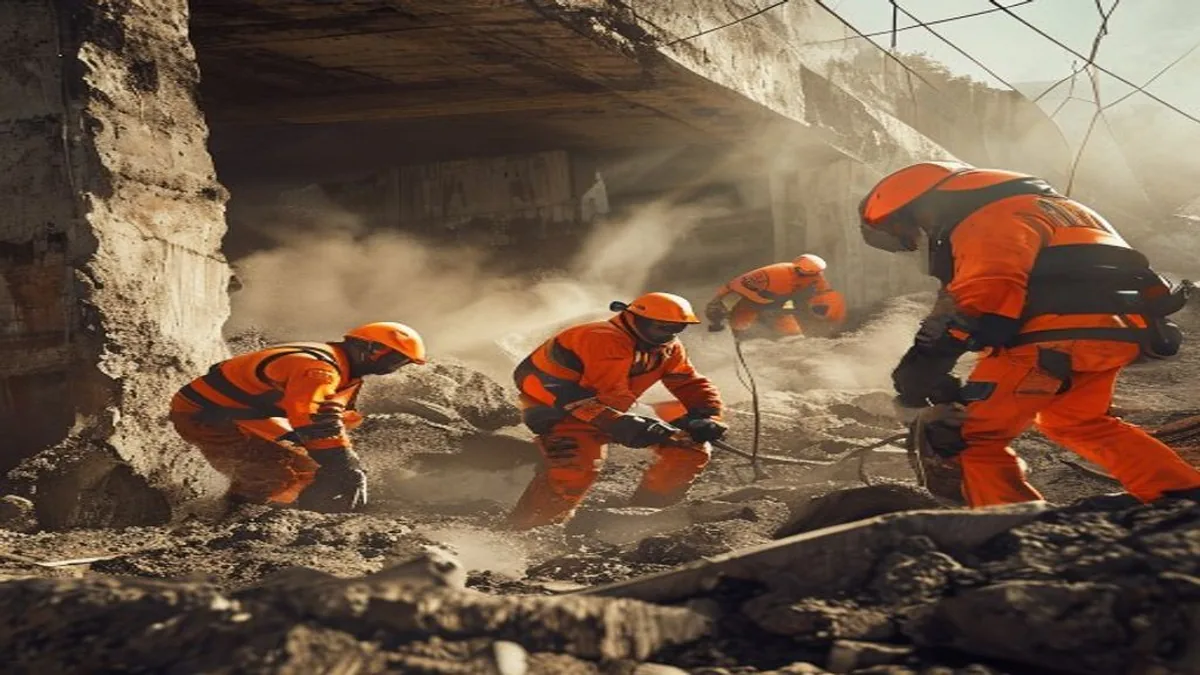
Recent analysis provides scientific insight into how long victims can survive trapped under rubble after a catastrophic earthquake. Survival depends on critical variables including air availability, hydration, temperature, and the physical condition of the individual at the time of entrapment. Experts emphasize that the first 72 hours—often referred to as the 'golden window'—remain the most vital period for successful search and rescue efforts.
Variables Affecting Endurance:
Research into disaster medicine suggests that while the three-day mark is a common benchmark, survival can extend well beyond this under specific conditions. Factors such as access to small pockets of water, the containment of body heat in cold climates, and psychological resilience play massive roles. Medical specialists warn that crush syndrome, a life-threatening condition caused by prolonged compression of muscles, represents a major risk for those successfully pulled from the wreckage.
Global Significance:
Understanding these survival limits is essential for disaster management teams in earthquake-prone regions, including India’s seismically active zones. As international search teams refine their protocols, the balance between speed and careful extraction remains the priority. The information serves as a reference for policy makers to ensure emergency infrastructure is capable of rapid response to maximize survival probabilities during large-scale geological events.
Pulse Intelligence
AI AnalysisContext & Background
- The 'golden window' of 72 hours is widely recognized in global disaster management as the peak time for rescuing earthquake survivors.
- Disaster medicine has evolved to better identify risk factors like crush syndrome in post-extraction care.
Key Consequences
- Improved understanding of survival science may lead to better-equipped, specialized search-and-rescue teams.
- Increased public awareness of life-saving behaviors immediately following structural collapse.
Market & Economic Impact
No direct market impact.