
July 13, 2026 at 08:34 AM 2 min readindiaanalysis
Supreme Court Denies Salary Claims for West Bengal Madrasah Staff
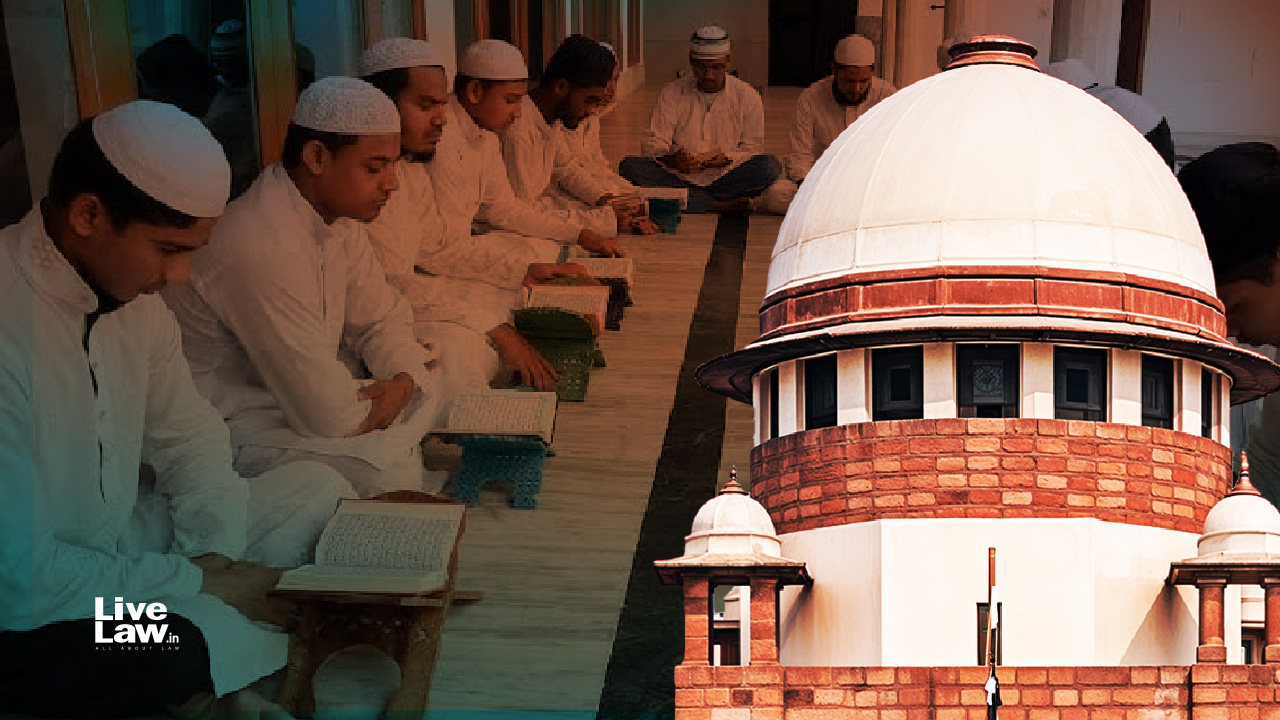
Judicial Denial of Claims:
The Supreme Court has formally rejected the claims of over 360 staff members from various West Bengal madrasas who were seeking state-funded salaries. The ruling serves as a significant legal setback for the petitioners, who had argued that they were entitled to financial support from the state government despite existing policy constraints. This decision underscores the judiciary's strict interpretation of employment eligibility and the fiscal responsibility of the state regarding educational institutions that do not meet mandated government criteria.
Legal Background:
The dispute centers on the validity of the appointments and the legal status of the madrasas involved. For several years, the staff had been seeking regularization and salary payments equivalent to their counterparts in government-recognized schools. However, state authorities had consistently challenged these claims, citing procedural irregularities and a lack of proper recognition for these institutions. The Supreme Court's intervention brings a measure of finality to the prolonged legal battle, affirming the state's position that it is under no legal obligation to provide public funds to the specific individuals who failed to meet the required appointment protocols.
Implications for Education Policy:
This verdict carries substantial weight for how educational institutions are managed and funded in West Bengal. By refusing to accommodate the claims of these staff members, the Court has reinforced the importance of adhering to standard recruitment processes for government financial support. The decision is likely to prompt a review of how other non-recognized or semi-recognized institutions function, as they can no longer expect the state to bear the burden of salary arrears or future compensation. For the affected staff, the ruling concludes their search for state-sponsored remuneration, leaving the long-term status of these madrasas in a state of continued uncertainty.
Pulse Intelligence
AI AnalysisContext & Background
- The legal dispute involved a group of more than 360 employees who argued they had performed duties without formal state remuneration for extended periods.
- West Bengal's state government had previously expressed inability to pay salaries due to the lack of recognized recruitment processes for these specific madrasah positions.
Key Consequences
- The Supreme Court ruling permanently bars the 361 petitioners from receiving state-funded salaries based on their past claims.
- Other educational institutions in West Bengal may now face stricter audits to ensure all staff members are properly recruited according to state guidelines.
- The verdict sets a precedent that will discourage similar litigation from employees of unrecognized or semi-recognized institutions.
Market & Economic Impact
No direct market impact.