
July 9, 2026 at 06:39 PM 2 min readindiadeveloping
Supreme Court Stays Criminal Proceedings In MP Religious Conversion Case
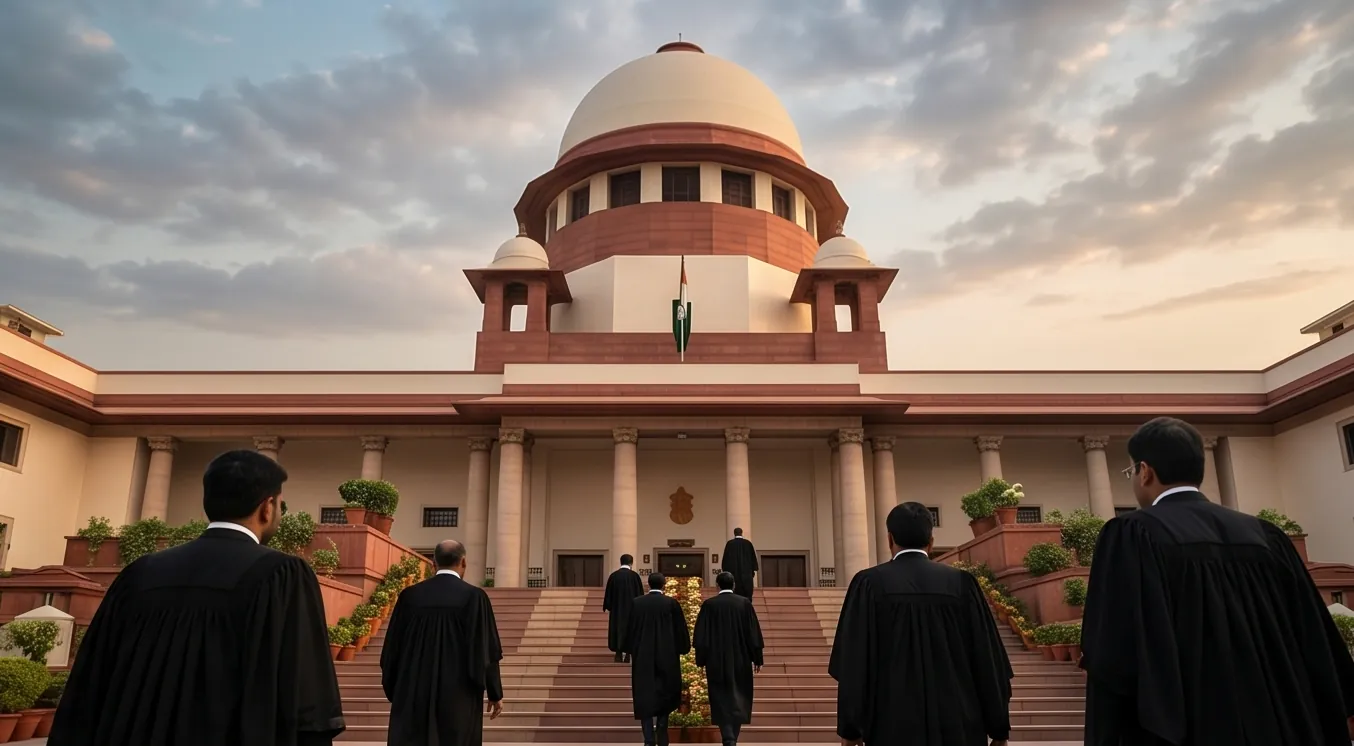
Judicial Intervention:
The Supreme Court of India has granted a formal stay on criminal proceedings against an individual accused under the Madhya Pradesh Freedom of Religion Act, 2021. The petitioner was alleged to have coerced family members into converting to Islam, triggering legal action under the state’s stringent anti-conversion laws. This judicial order provides immediate temporary relief to the accused while the apex court conducts a broader review of the constitutional validity and application of the Act's provisions.
Legislative Context:
The Madhya Pradesh Freedom of Religion Act, 2021, prohibits religious conversions achieved through force, fraud, or allurements. It requires prior notification for conversion and carries heavy penalties for violations. Critics and legal experts often debate whether these statutes infringe upon individual fundamental rights to religious freedom and personal choice. Prior High Court rulings have been mixed, with some upholding the state's power to regulate conversions and others questioning the standard of proof required for such criminal charges.
Significance of the Stay:
By pausing these criminal proceedings, the Supreme Court has signaled an intent to clarify how state authorities can interpret and enforce these laws. The court is expected to establish standards regarding when state-level legislation crosses the line into infringing on constitutional protections. The final outcome of this review will likely serve as a critical precedent for numerous pending cases across India, influencing how lower courts handle similar allegations of forced religious conversions in familial or individual contexts.
Pulse Intelligence
AI AnalysisContext & Background
- The Madhya Pradesh Freedom of Religion Act, 2021, replaced an earlier ordinance and is one of several state-level anti-conversion laws in India.
- Multiple High Courts in India are currently considering challenges regarding the constitutional legitimacy of state-mandated notification periods for religious conversion.
- These laws aim to penalize forced conversions through fraud or allurement, but have faced intense scrutiny regarding their impact on personal liberty.
Key Consequences
- The stay of proceedings offers immediate legal relief to the petitioner and prevents further trial progress while the Supreme Court reviews the Act.
- The Supreme Court's eventual ruling will provide a crucial legal benchmark for lower courts handling similar anti-conversion cases nationwide.
- Legislators may face increased public and judicial scrutiny regarding the specific provisions used in these state-level religious freedom acts.
Market & Economic Impact
No direct market impact.