
July 7, 2026 at 06:33 PM 2 min readindiadeveloping
Supreme Court Rules Banks Cannot Blacklist Lawyers Over Negligence
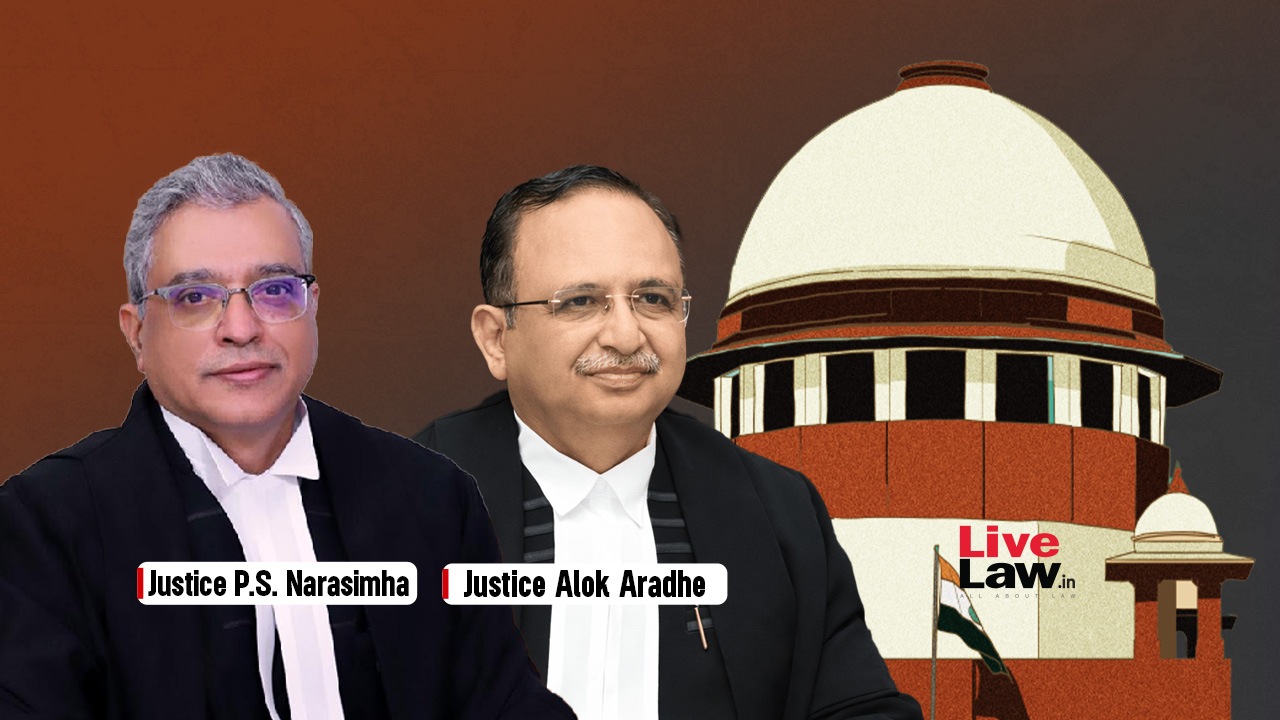
Supreme Court Directive on Lawyer Blacklisting:
The Supreme Court has issued a significant ruling prohibiting banks from blacklisting advocates by placing them on caution lists due to allegations of professional negligence. The judgment emphasizes that banks cannot unilaterally damage a lawyer's professional reputation or career prospects without due process. The court clarified that the legal profession requires independence, which is as critical as judicial independence, necessitating protection from arbitrary actions by financial institutions and third-party bodies like the Indian Banks' Association (IBA).
Establishment of Legal Academy:
Beyond the immediate ruling, the Supreme Court has urged the Bar Council of India (BCI) to establish a National Legal Academy. This institution aims to provide standardized continuing legal education for advocates across the country. The initiative seeks to elevate professional standards, ensure that practitioners remain updated on evolving jurisprudence, and foster greater accountability within the legal community.
Long-Term Impact on Legal Practice:
This directive provides a layer of legal security for lawyers, ensuring that their livelihoods remain protected against potential overreach by corporate banks or regulatory associations. The proposed National Legal Academy represents a long-term strategic shift toward institutionalizing training. Legal experts expect this move to enhance the quality of legal services in India, while also formalizing the relationship between banks and legal counsel to prevent future conflicts over negligence claims and operational caution lists.
Pulse Intelligence
AI AnalysisContext & Background
- Banks have historically maintained caution lists for advocates suspected of negligence, often affecting their ability to secure professional assignments.
- The legal fraternity has frequently raised concerns regarding the lack of a standardized national framework for continuous professional development.
- The Supreme Court has consistently advocated for institutional measures to safeguard the independence of the legal profession.
Key Consequences
- Banks must now revise their internal risk management policies regarding the engagement of external legal counsel.
- The Bar Council of India is expected to initiate formal consultations to draft a blueprint for the proposed National Legal Academy.
- Advocates can expect improved legal recourse against arbitrary actions taken by financial institutions.
Market & Economic Impact
No direct market impact.