
July 3, 2026 at 02:36 AM 2 min readindiadeveloping
Supreme Court Review Sought After MP Judge Receives Death Threats
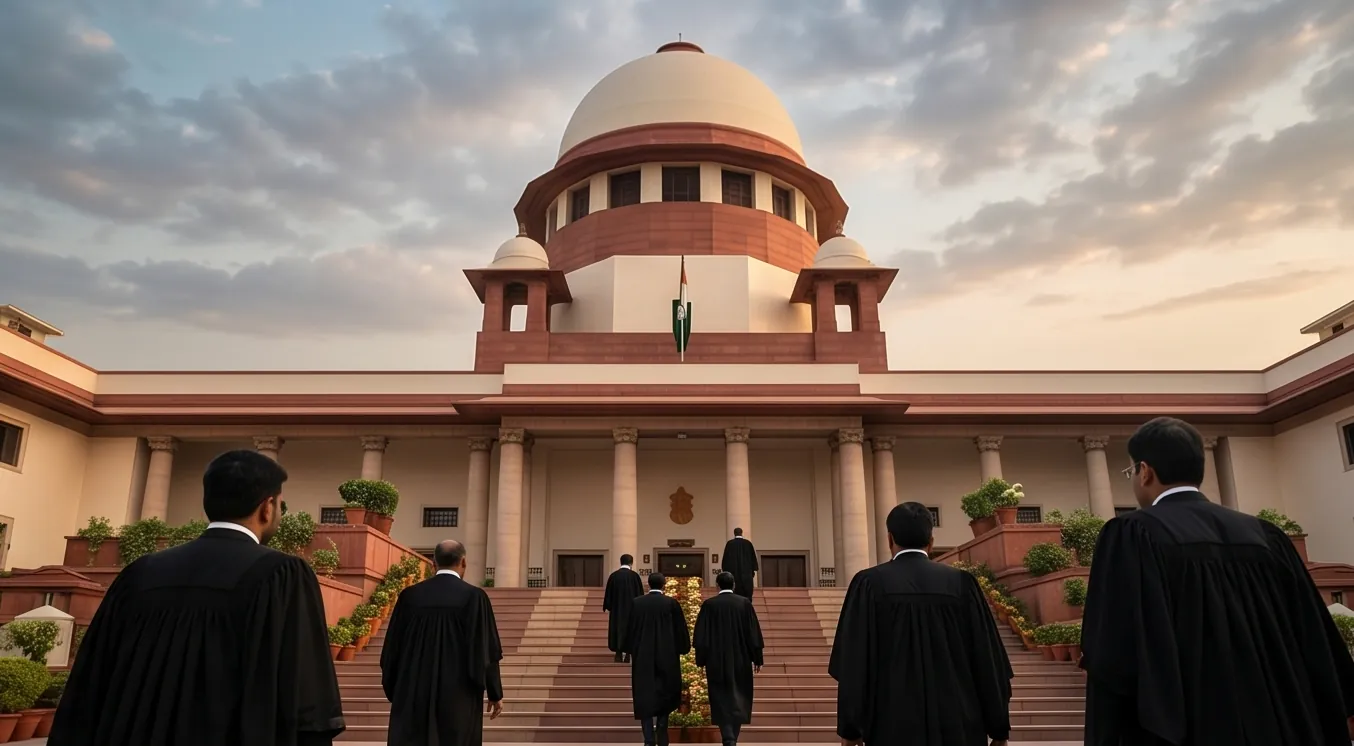
Judicial Security Crisis:
A judge in Madhya Pradesh is currently facing severe safety concerns after receiving death threats following a landmark ruling. The judge had recently sentenced 14 individuals to life imprisonment in connection with a violent lynching case. The legal fraternity and judiciary members are expressing alarm over the intimidation tactics, which include mob fury and direct threats against the official responsible for the verdict.
Legal and Communal Tensions:
The controversy stems from a high-profile case involving cow vigilante violence, which has polarized public opinion in the region. The convicted individuals were found guilty of participating in a lethal mob attack, and the subsequent sentencing triggered immediate backlash from local groups. The incident has raised critical questions regarding the safety of judicial officers handling sensitive communal cases in India. The case is now being watched by national legal bodies, which are calling for enhanced protection protocols for judges presiding over cases of social unrest.
Supreme Court Intervention Needed:
The legal community is actively seeking intervention from the Supreme Court to ensure that judges can function without fear of reprisal. Supporters of the judge argue that the lack of a swift, high-level response emboldens those who seek to undermine the rule of law through intimidation. If the Supreme Court provides a robust framework for judicial protection, it may prevent future threats in similar high-stakes cases. Moving forward, the incident highlights the urgent need for structural security reforms to safeguard the integrity and independence of the Indian judiciary.
Pulse Intelligence
AI AnalysisContext & Background
- The judge issued a life sentence to 14 individuals involved in a violent lynching incident, which drew significant attention across Madhya Pradesh.
- Legal bodies have long advocated for stricter measures to protect judicial officers from threats and physical intimidation in sensitive cases.
Key Consequences
- Judicial officers may adopt more cautious approaches in future communal cases to avoid personal targeting.
- The Supreme Court may issue directives regarding security protocols for trial court judges handling sensitive litigation.
Market & Economic Impact
No direct market impact.