
July 8, 2026 at 11:02 PM 2 min readindiadeveloping
Supreme Court Questions MHA Rule On Pregnant IPS Probationers
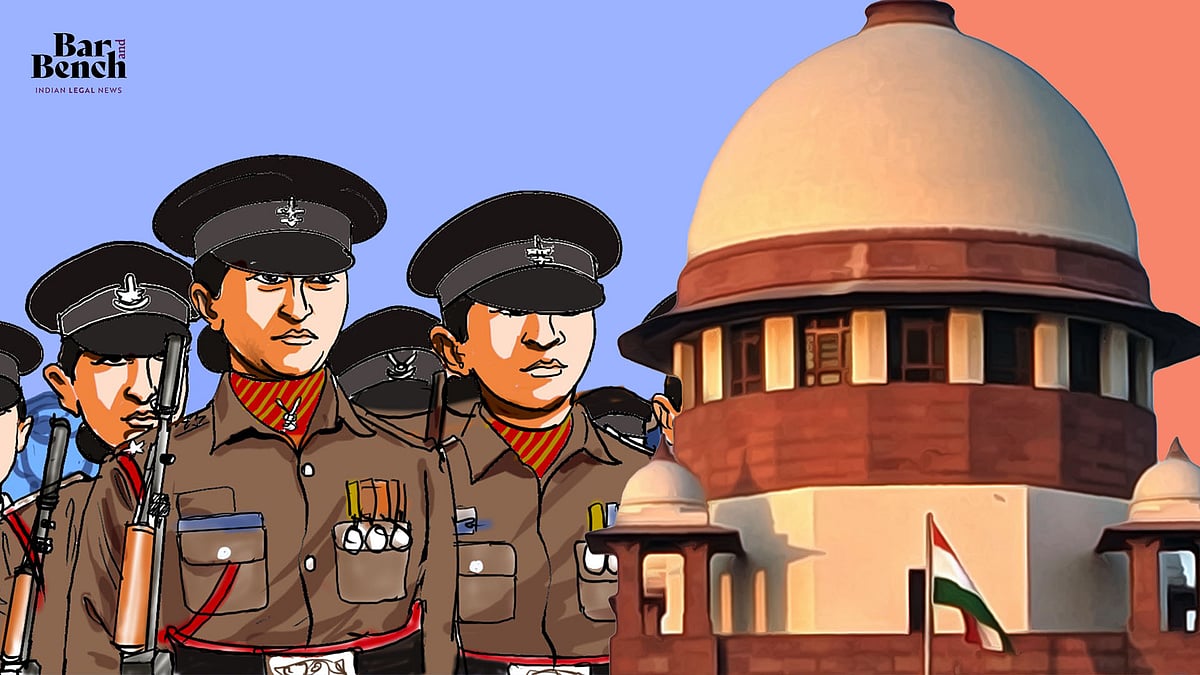
Supreme Court Scrutiny:
The Supreme Court has sought a response from the Centre regarding a Ministry of Home Affairs policy that mandates a one-year training deferral for women Indian Police Service (IPS) officers following childbirth. The judicial bench questioned the rationale behind the blanket prohibition, specifically asking why probationers deemed fit for duty are barred from training. This legal inquiry highlights growing concerns over gender-neutral training policies and potential workplace discrimination within the civil services.
Policy Background:
The current MHA regulations generally require recruits to undergo comprehensive physical training during their probation period. The mandatory one-year break, intended as maternity relief, effectively sets back an officer's seniority and career progression compared to their cohort. Advocacy groups and petitioners argue that such blanket exclusions fail to account for individual medical fitness and professional readiness, essentially penalizing motherhood in high-stakes government roles.
Future Implications:
This judicial intervention could force the central government to revise its recruitment guidelines to accommodate maternity leave without compromising professional training continuity. The outcome remains highly significant for gender inclusivity in India's police force. Observers expect the Ministry to provide empirical data or justification for the restriction during the next hearing, which may lead to more flexible policies for female IPS officers who wish to continue their training post-pregnancy.
Pulse Intelligence
AI AnalysisContext & Background
- The Indian Police Service requires rigorous physical training that lasts several months during the initial probation phase.
- Existing civil service rules have historically struggled to balance mandatory physical training requirements with maternity leave benefits for women recruits.
Key Consequences
- The government may be forced to draft a new policy that offers flexible training schedules for new mothers.
- Increased pressure on the Union Home Ministry to modernize service rules in line with contemporary professional equality standards.
Market & Economic Impact
No direct market impact.