
July 1, 2026 at 10:16 AM 2 min readaiAI Insights
Supreme Court Draft Policy Restricts AI Use In Judicial Decision Making
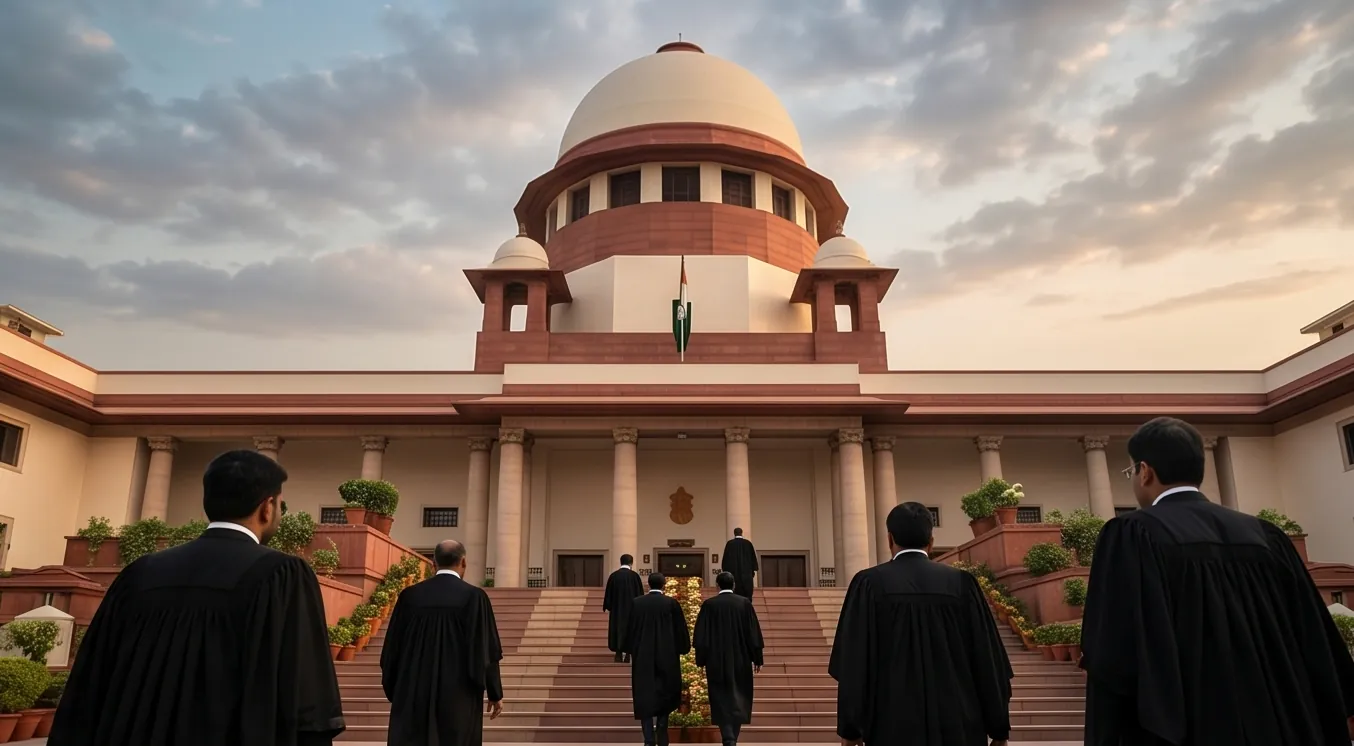
[Judicial AI Restrictions]:
The Supreme Court of India has released a draft policy for 2026 that strictly regulates the integration of artificial intelligence within the judicial system. The policy explicitly prohibits the use of AI for determining final judicial outcomes or for sentencing without mandatory human oversight. Furthermore, the use of AI for profiling witnesses or parties involved in legal proceedings is strictly forbidden to protect individual rights.
[Operational Permissibility]:
While the policy limits AI in core judicial decision-making, it encourages the use of technology for administrative efficiency. AI tools are permitted for case management, scheduling hearings, preparing cause lists, and transcribing complex court proceedings. Additionally, the policy allows for the use of AI in translating judgments, provided the systems are transparent and explainable to the court.
[Transparency Mandate]:
A critical component of the draft is the total ban on opaque or unexplainable AI systems. The committee, chaired by Justice P.S. Narasimha, emphasizes that any technology deployed must be fully auditable and understandable by legal professionals. Stakeholders were invited to submit their comments and suggestions by June 20, 2026, as the judiciary moves toward a more digitized yet human-centric operational model.
Pulse Intelligence
AI AnalysisContext & Background
- The Supreme Court committee, chaired by Justice P.S. Narasimha, was tasked with modernizing court operations.
- The draft policy was developed to address concerns regarding algorithmic bias and judicial transparency.
Key Consequences
- Courts will likely accelerate the adoption of AI for administrative tasks like transcription and scheduling.
- Legal tech vendors must ensure their tools are fully explainable to meet the new judicial standards.
- Judicial officers will retain final authority over all sentencing and case outcomes, preventing automated bias.
Market & Economic Impact
The policy creates a niche market for transparent, explainable legal-tech software solutions within the Indian judicial sector.