
July 10, 2026 at 10:01 AM 2 min readtechbreaking
Sony Revives RX10 Series with AI-Driven RX10 V Bridge Camera
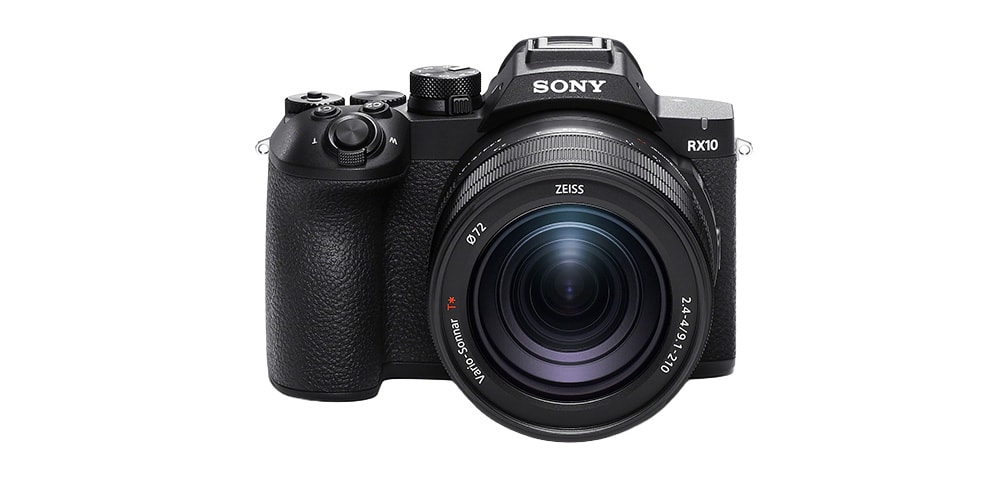
New Generation Bridge Camera:
Sony has officially launched the RX10 V, its first new premium bridge camera in nearly a decade. The device retains the versatile 24-600mm f/2.4-4 Zeiss Vario-Sonnar lens of its predecessor but features a completely overhauled internal system. Built around a 20.1-megapixel 1-inch stacked CMOS sensor, it uses the advanced BIONZ XR processing engine coupled with a dedicated AI Processing Unit. This combination delivers high-performance speed and subject tracking that bridges the gap between traditional fixed-lens cameras and the company’s Alpha professional mirrorless lineup.
Key Performance Enhancements:
The RX10 V introduces significant advancements in autofocus, including real-time recognition for humans, animals, birds, insects, cars, and airplanes. It supports blackout-free 30fps burst shooting, catering to the needs of wildlife, travel, and sports photographers who require speed. Video features have also seen a major upgrade, with 4K recording now available at 120fps with 10-bit 4:2:2 color, alongside the inclusion of S-Cinetone for a more cinematic look. The camera replaces aging battery technology with the NP-FZ100, providing approximately 630 shots per charge, a 50% improvement over previous generations.
Market Significance:
Positioned at a retail price of $2,299.99, the RX10 V is designed for creators who prioritize an all-in-one, weather-sealed body over multi-lens mirrorless kits. While the bridge camera market has faced pressure from increasingly capable smartphone cameras and professional mirrorless systems, Sony targets a specific demographic of wildlife and travel enthusiasts. By integrating AI-driven tracking features previously exclusive to its flagship Alpha models, Sony aims to provide a singular, high-utility tool for demanding field conditions. Global availability for the new RX10 V is scheduled for early August 2026, marking a significant return for the long-dormant product line.
Pulse Intelligence
AI AnalysisContext & Background
- The Sony RX10 series has historically been favored by photographers for its balance of high-end lens quality and a single-body form factor.
- The previous generation, the RX10 IV, was released nine years ago and became a staple in the high-end compact camera category.
Key Consequences
- Travel and wildlife photographers now have a professional-grade superzoom option that eliminates the need for carrying multiple lenses.
- Sony's decision to include its professional-tier AI autofocus in a bridge camera could set a new performance standard for non-mirrorless shooters.
- Increased price point for this generation may limit its appeal to serious enthusiasts and professional users rather than casual photography hobbyists.
Market & Economic Impact
The launch strengthens Sony's premium camera segment and underscores its commitment to the bridge camera market.