
July 6, 2026 at 07:35 AM 2 min readtechevergreen
Smithsonian Starstruck Brings Space Exploration to Virtual Reality
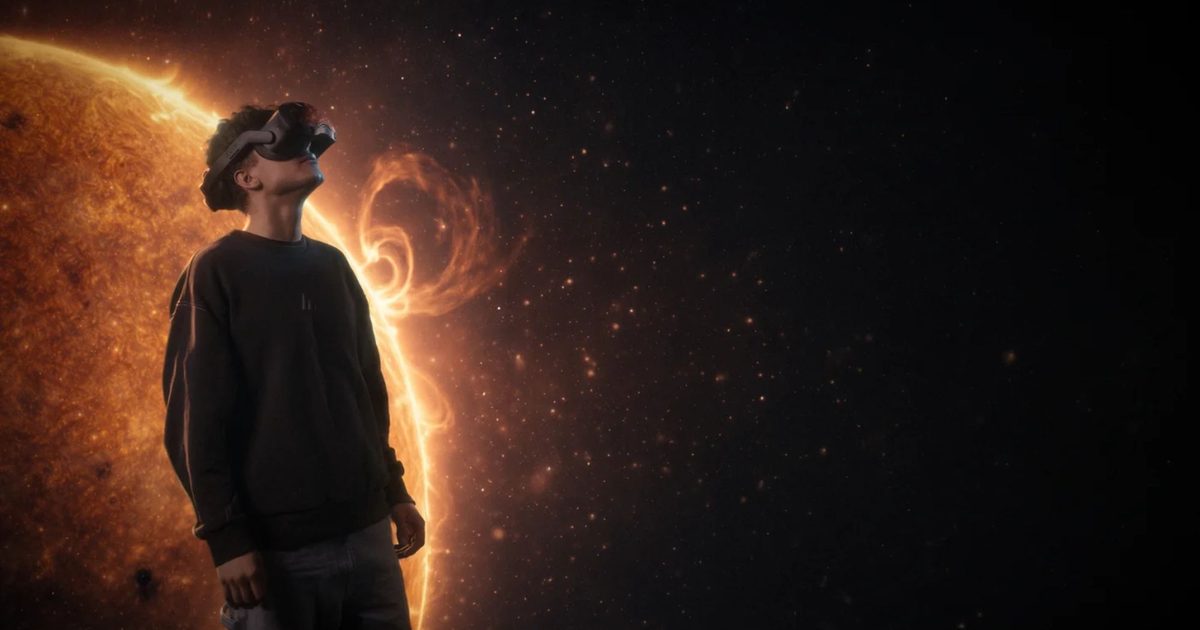
Immersive Virtual Experience:
The Smithsonian’s 'Starstruck' exhibit offers visitors a unique, high-fidelity experience of space exploration through virtual reality. Located in Washington, D.C., the exhibit allows guests to simulate a journey through the universe, offering interactive encounters that include walking through the aftermath of the Big Bang and passing in close proximity to the Sun. The centerpiece of the exhibit is a simulated gaze into a black hole, designed to provide an educational yet visceral understanding of complex cosmic phenomena.
Educational Technology:
By utilizing advanced VR technology, the museum aims to make the abstract concepts of space science accessible and engaging to a broad public audience. This initiative reflects a broader trend of cultural institutions integrating digital immersion to enhance traditional exhibits. The technical execution ensures that visitors receive a scientifically grounded, albeit experiential, view of astrophysical events that would otherwise be impossible to observe directly, fostering a deeper public interest in space research.
Accessibility to Cosmic Science:
This experience not only highlights the capabilities of modern VR in education but also expands the museum’s reach beyond conventional displays. 'Starstruck' bridges the gap between complex science and public curiosity, providing a space where physical reality meets digital visualization. As VR technology continues to advance, the exhibit serves as a benchmark for how cultural spaces can transform scientific education into a personal adventure, ensuring that topics like black holes and the origins of the universe are both understood and remembered.
Pulse Intelligence
AI AnalysisContext & Background
- Museums worldwide are increasingly adopting immersive VR technology to modernize their exhibits and improve student engagement.
- The Smithsonian has a history of integrating new interactive technologies to present complex space and science topics to its visitors.
Key Consequences
- Other museums may seek to adopt similar high-fidelity VR educational exhibits to attract younger, tech-savvy demographics.
- Increased public engagement with astrophysical topics is likely to follow, potentially boosting interest in space science education programs.
Market & Economic Impact
No direct market impact.