
July 6, 2026 at 12:35 PM 2 min readtechanalysis
Smartwatch Health Tracking: Beyond Simple Heart Rate Monitoring
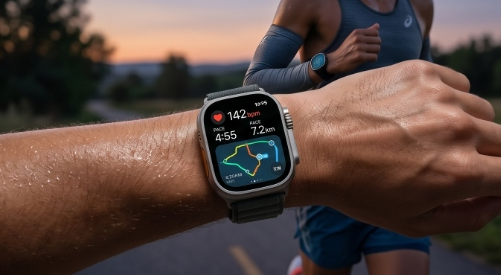
Evolution of Wearable Sensors:
Modern smartwatches and wearable devices have rapidly evolved from basic fitness trackers into sophisticated health diagnostic tools. While early iterations focused primarily on heart rate monitoring and step counts, current hardware integrates advanced sensors capable of tracking blood oxygen levels, skin temperature, and sleep architecture. These developments signify a shift in consumer health technology, moving from passive data collection to active health monitoring. Users now access a suite of biometrics that previously required dedicated medical equipment, offering a more granular look at their daily physiological states.
Integration of AI Diagnostics:
Artificial Intelligence (AI) plays an increasingly critical role in making this data actionable for the average user. Machine learning algorithms analyze longitudinal data patterns to flag irregularities that could indicate early stages of illness or chronic conditions. These AI-powered insights bridge the gap between raw numbers and meaningful health status, allowing for proactive health management rather than reactive care. However, the rise of constant self-tracking has led to concerns regarding health anxiety, with some experts noting that over-reliance on device metrics can create unnecessary psychological strain for users.
Clinical Implications and Limitations:
The integration of these devices into daily life presents both opportunities and challenges for the Indian medical landscape. While wearables offer potential for remote patient monitoring, their data remains unofficial and largely diagnostic in nature rather than clinical. Patients are increasingly bringing device reports to consultations, forcing doctors to adapt to interpreting non-validated data. Significant questions remain regarding the accuracy of consumer-grade sensors compared to certified medical instruments. As adoption grows, clear guidelines are necessary to help clinicians determine which device metrics deserve professional recognition during patient evaluations.
Pulse Intelligence
AI AnalysisContext & Background
- Wearable devices originally gained popularity as fitness trackers for steps and basic calorie counting.
- The introduction of photoplethysmography (PPG) sensors enabled continuous heart rate monitoring in early smartwatches.
Key Consequences
- Clinicians will increasingly face pressure to interpret wearable data provided by patients during routine consultations.
- Regulatory bodies may move to standardize certification for high-end wearable health sensors.
- Increased focus on user mental health will likely drive manufacturers to incorporate better anxiety-management features.
Market & Economic Impact
No direct market impact.