
June 17, 2026 at 02:05 PM 2 min readmarketsdeveloping
SEBI Updates AIF Regulations Amid Industry Pushback Over Pro-Rata Norms
Regulatory Framework Adjustments:
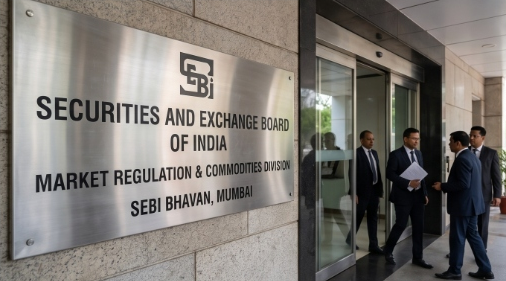
The Securities and Exchange Board of India (SEBI) has introduced significant updates to Alternative Investment Fund (AIF) regulations, notably establishing an 'Inoperative Fund' category. This provision is designed to streamline the management of ongoing legal, tax, and regulatory obligations for funds undergoing a winding-up process, while enhancing operational transparency and compliance standards.
Industry Implementation Concerns:
These changes follow persistent requests from fund managers for a reversal of SEBI’s pro-rata distribution rules. Critics argue that the current framework restricts drawdown flexibility and undermines pre-negotiated fee structures, which could potentially discourage large-scale institutional investors from committing capital to private-market funds in India.
Future Market Impact:
The evolving dialogue between regulators and fund managers underscores the balancing act between stringent investor protection and operational autonomy. Observers expect that future circulars may clarify the operational scope of the 'Inoperative Fund' status to address liquidity constraints while ensuring that the broader ecosystem remains attractive for long-term domestic and international private equity allocations.
Pulse Intelligence
AI AnalysisContext & Background
- SEBI has been tightening regulatory oversight on AIFs to enhance transparency and prevent the circumvention of investment norms.
- Fund managers have long expressed concerns that strict adherence to pro-rata requirements disrupts the waterfall mechanism of existing private investment agreements.
Key Consequences
- Enhanced management clarity for closing funds through the newly defined inoperative category.
- Potential persistence of industry lobbying for carve-outs in distribution rules to restore flexible fee structures.
- Impact on the fundraising trajectory of new private-market funds if regulatory compliance costs rise significantly.
Market & Economic Impact
The regulatory shift may temporarily dampen investor sentiment in the private equity space, though it seeks to improve long-term governance for funds winding down operations.