
July 8, 2026 at 02:07 PM 2 min readtechanalysis
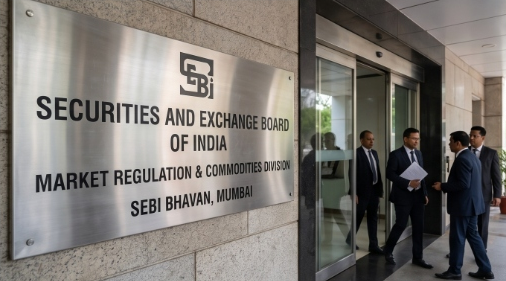
SEBI Faces Calls to Ban Dark Patterns in Listed Companies
Regulatory Pressure on Digital Governance:
A recent study by LocalCircles reveals that 95 percent of publicly listed companies in India currently utilize deceptive dark patterns to influence consumer behavior. The findings suggest that these manipulative design tactics are embedded in the transaction, subscription, and refund processes of major online platforms. The report calls for a rigorous regulatory crackdown by the Securities and Exchange Board of India (SEBI), urging the market regulator to mandate that all listed firms be entirely free of such interface tactics to protect retail investors and consumers.
Prevalence of Deceptive Design:
The research, which screened 300 platforms, identifies tactics such as drip pricing, subscription traps, and forced cancellation processes as the most prevalent issues. While some firms like Meesho and EasyMyTrip were cited as being free of these practices, the vast majority of sectors, ranging from online banking and e-commerce to digital lending, rely heavily on behavioral nudges that distort choice. The study underscores that existing self-audit frameworks have proven largely ineffective, as only a small fraction of companies claiming to be dark-pattern-free actually met the necessary standards.
Policy Implications for SEBI:
The proposal comes as SEBI advances its Common Advertisement Code (CAC) 2026, which aims to prohibit manipulative interface designs, hidden charges, and misleading promotional inducements. If implemented, the code would apply broadly to brokers, mutual funds, and portfolio managers, potentially forcing a significant shift in corporate communication and onboarding journeys. The market is now looking toward the formal adoption of these rules, which could set a new benchmark for transparency in the Indian corporate sector and compel companies to adopt a stricter, more ethical approach to digital engagement.
Pulse Intelligence
AI AnalysisContext & Background
- The Central Consumer Protection Authority issued initial guidelines on dark patterns in 2023 to combat manipulative online practices.
- SEBI recently circulated a consultation paper proposing a Common Advertisement Code (CAC) 2026 to govern investor communications.
Key Consequences
- Listed companies may face mandatory compliance audits if SEBI adopts the LocalCircles recommendations within the CAC framework.
- Retail investors can expect more transparent interfaces and fewer hidden traps during online financial transactions in the near future.
Market & Economic Impact
Listed firms using aggressive digital interface tactics may face increased compliance costs and reputational risk.