
July 2, 2026 at 02:04 PM 2 min readindiaanalysisAI Image
RSS Chief Defines Partition Migrants As Warriors of Struggle
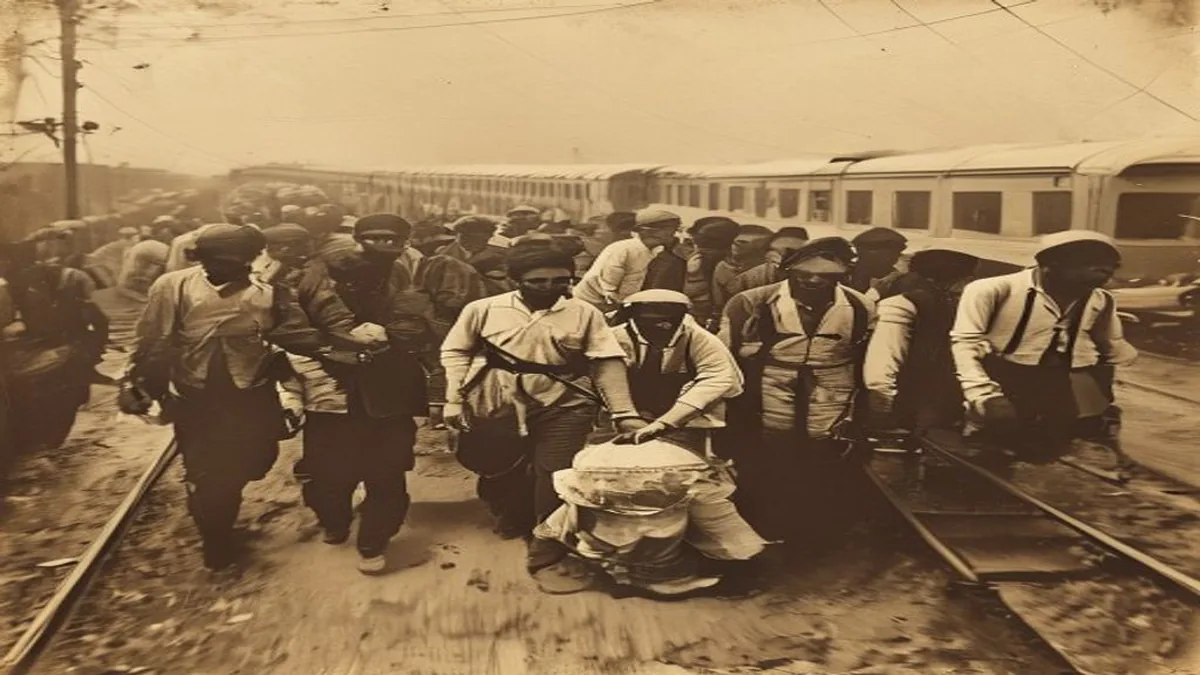
RSS Chief's Perspective:
Rashtriya Swayamsevak Sangh (RSS) chief Mohan Bhagwat has stated that people who migrated to India following the 1947 Partition should be regarded as warriors of struggle rather than refugees. He emphasized that these individuals left behind wealth, land, and businesses nurtured over generations in the newly created state of Pakistan, choosing India out of conviction. His remarks frame the historical migration as a resilient act of survival and national commitment rather than a condition of forced displacement or statelessness.
Historical Narrative and Policy:
The statement aligns with long-standing ideological narratives promoted by the RSS regarding the historical trauma of the Partition. By redefining this migration, the leadership seeks to underscore the contribution of those who moved to India in shaping the nation’s post-independence identity. This rhetoric contrasts with mainstream humanitarian terminology, focusing instead on the cultural and political resilience of the migrant population while implicitly reinforcing the organization’s vision of India as a natural homeland for these communities.
External and Domestic Migration:
Meanwhile, the government's official stance on broader migration remains focused on legality and regulation. External Affairs Minister S. Jaishankar recently emphasized that India is committed to safe, orderly, and legal migration. His statements at a global mobility forum highlight a more modern, administrative approach to migration, focusing on human resources, the silver economy, and the global mobility of Indian professionals. These dual narratives—the RSS chief’s focus on historical national identity and the government’s focus on modern, legal mobility—reflect the multi-layered complexities of India’s current migration policy and its historical legacies.
Pulse Intelligence
AI AnalysisContext & Background
- The 1947 Partition of India remains a foundational event in modern Indian politics, frequently cited by the RSS to frame historical narratives.
- The RSS is the ideological mentor of the ruling Bharatiya Janata Party (BJP) and regularly issues commentary on national issues.
Key Consequences
- The RSS rhetoric will likely sharpen the political discourse around national identity and citizenship issues in India.
- Opposition parties may criticize the redefinition of historical refugees as an attempt to rewrite the historical narrative of the Partition.
- Government officials will continue to balance ideological statements with the practical requirements of international migration agreements.
Market & Economic Impact
No direct market impact.