
July 8, 2026 at 10:16 AM 2 min readhealthAI Insights
Understanding The Role Of Preventive Health Screenings In Modern Indian Healthcare
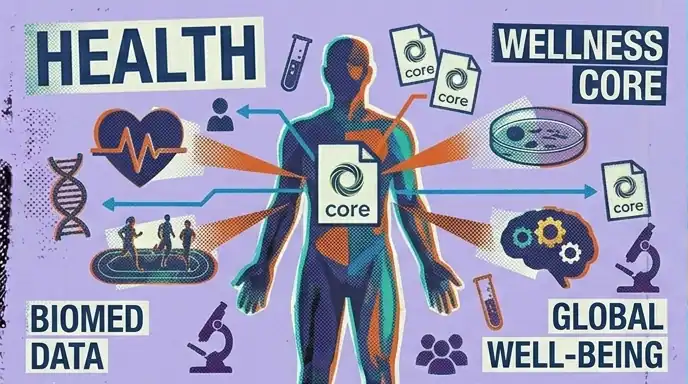
[The Shift Toward Prevention]:
Modern healthcare in India is undergoing a fundamental shift from reactive treatment to proactive prevention. As lifestyle-related conditions such as diabetes and cardiovascular diseases become increasingly prevalent among the urban population, the importance of regular health screenings cannot be overstated. Early detection through routine check-ups allows for the management of chronic conditions before they progress to life-threatening stages, significantly improving long-term patient outcomes.
[Technological Integration]:
The integration of digital health records and AI-driven diagnostic tools is making preventive screenings more accessible and accurate. Patients can now track their health metrics over time, allowing doctors to identify subtle trends that might indicate the onset of illness. This data-driven approach is empowering individuals to take control of their health, moving away from the traditional model where medical intervention only occurred after the onset of acute symptoms.
[Policy and Awareness]:
Government initiatives and private sector awareness campaigns are further driving this trend. By emphasizing the cost-effectiveness of preventive care compared to the high expenses associated with treating advanced diseases, the healthcare ecosystem is encouraging a culture of wellness. For the average Indian, this means prioritizing annual screenings, maintaining a balanced diet, and staying physically active as the primary defense against the rising burden of non-communicable diseases in the country.
Pulse Intelligence
AI AnalysisContext & Background
- Non-communicable diseases are rising rapidly in India, necessitating a shift toward preventive healthcare.
- Digital health records are becoming more common, facilitating better tracking of patient health metrics.
- Preventive care is significantly more cost-effective than treating advanced stages of chronic diseases.
Key Consequences
- Increased adoption of preventive screenings will likely reduce the long-term burden on public hospitals.
- Early detection will lead to better survival rates for chronic conditions like diabetes and hypertension.
- The healthcare industry will see continued growth in diagnostic services and wellness-focused technology.
Market & Economic Impact
Not applicable.