
June 30, 2026 at 02:05 PM 2 min readworldanalysis
Ro Khanna Criticizes US-India Ties Amidst Iran Conflict
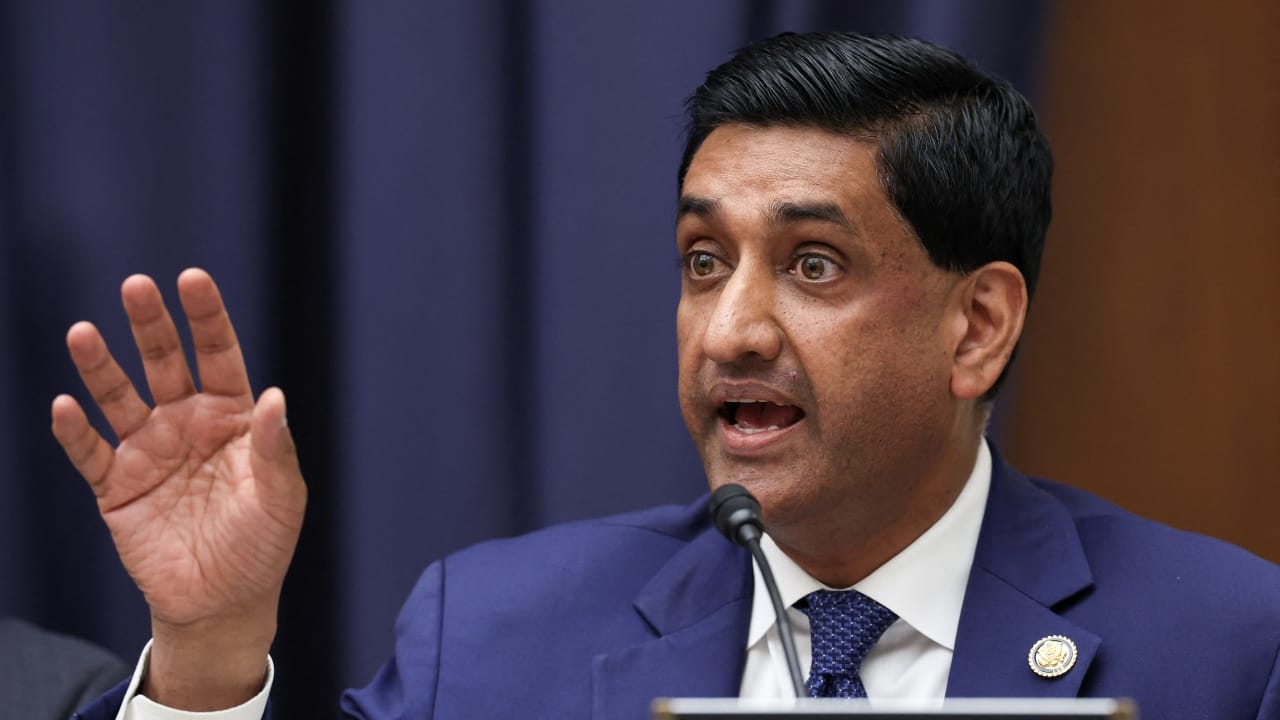
Diplomatic Friction:
Democratic Congressman Ro Khanna has sharply criticized former US President Donald Trump’s foreign policy, specifically regarding the lack of consultation with India prior to actions involving Iran. Khanna described these developments as having made a mess of the world, highlighting what he perceives as a breakdown in strategic cooperation between the two nations. This commentary occurred at the US-India Strategic Partnership Forum (USISPF) Summit, drawing attention to current challenges in bilateral relations.
Relationship Tensions:
The exchange has underscored a period of strain in U.S.-India diplomatic ties. Critics of the current climate describe the relationship as being at its lowest point in 30 years. Issues surrounding foreign policy alignment, immigration stances, and mutual communication have fueled public disagreement. Representatives and former diplomats have been actively engaging in these debates, with some figures rejecting the characterization that India-U.S. relations are severely damaged.
Broad Implications:
The discussion reflects the complexities of balancing domestic political rhetoric with strategic international partnerships. As both countries navigate global security challenges, such as the conflict in Iran, the pressure on diplomatic channels to remain effective is mounting. The disagreement underscores the need for clearer communication and deeper engagement to ensure that bilateral objectives remain protected despite shifting political landscapes and domestic criticism in both Washington and New Delhi.
Pulse Intelligence
AI AnalysisContext & Background
- The U.S.-India relationship is a critical axis for global diplomacy and security in the Indo-Pacific region.
- Strategic forums like the USISPF have historically been used to manage tensions and foster cooperation between the two nations.
Key Consequences
- Diplomatic channels between Washington and New Delhi may face increased scrutiny regarding communication protocols on global conflicts.
- The public criticism could influence how various political factions in both countries approach future trade and defense negotiations.
- Potential policy shifts in immigration or foreign aid may become subjects of more intense bilateral debate in the coming months.
Market & Economic Impact
Heightened diplomatic friction may lead to cautious sentiment regarding future defense or trade agreements.