
June 26, 2026 at 11:32 AM 2 min readworlddeveloping
Hezbollah Expresses Confidence Following US-Iran Memorandum Of Understanding
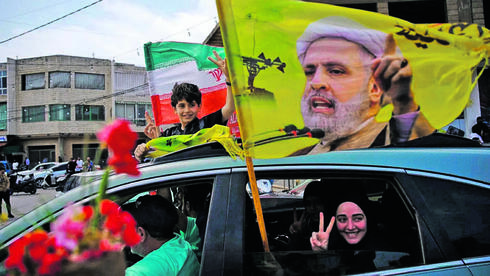
Diplomatic Shift and Hezbollah's Stance:
The recent signing of a memorandum of understanding between the United States and Iran has prompted a renewed sense of confidence within the Hezbollah leadership and the broader regional network known as the resistance axis. Secretary-General Naim Qassem has articulated a series of principles for a potential Israeli withdrawal from Lebanon, emphasizing a complete cessation of hostilities and reconstruction efforts while asserting the group's continued influence despite recent military conflicts.
Regional Realignments:
Diplomatic channels are widening as Washington and Tehran engage in discussions framed as a recognition of a shifting regional order. The establishment of a new conflict prevention cell in Switzerland—involving the United States, Iran, Lebanon, Qatar, and Pakistan—highlights the growing complexity of these negotiations. While Israel remains outside this specific framework, regional observers note that the evolving situation requires a careful balance between the Trump administration's mediation efforts and Israel’s operational security concerns.
Strategic Implications:
As indirect talks continue in Washington to facilitate potential stability, Hezbollah and its allies have signaled resistance to any agreements that might constrain their freedom of action. The situation remains fluid, with global analysts closely monitoring the impact of this memorandum on regional stability and the future of military engagements in the Middle East, as major powers seek to manage the potential for further escalation.
Pulse Intelligence
AI AnalysisContext & Background
- The region experienced intense military confrontation between Israel and Hezbollah following the events of October 7.
- The United States and Iran have recently engaged in diplomatic breakthroughs, including a 60-day ceasefire and a new framework for nuclear and sanctions negotiations.
- International mediators, including Qatar and Switzerland, have taken an active role in facilitating dialogue between conflicting parties.
Key Consequences
- Future Israeli military operations in the region may face increased diplomatic scrutiny and coordination requirements with Washington.
- Hezbollah is positioning itself to play a key role in the long-term political and security architecture of Southern Lebanon.
- The US-Iran diplomatic engagement may lead to a broader reconfiguration of alliances and power dynamics across the Middle East.
Market & Economic Impact
Ongoing volatility in global energy markets remains linked to regional security, despite the current ceasefire easing short-term crude price pressures.