
June 25, 2026 at 03:18 AM 2 min readmarketsanalysis
RBI Bolsters Liquidity as YES Bank Targets Capital Raise Amid Urban Infrastructure Disputes
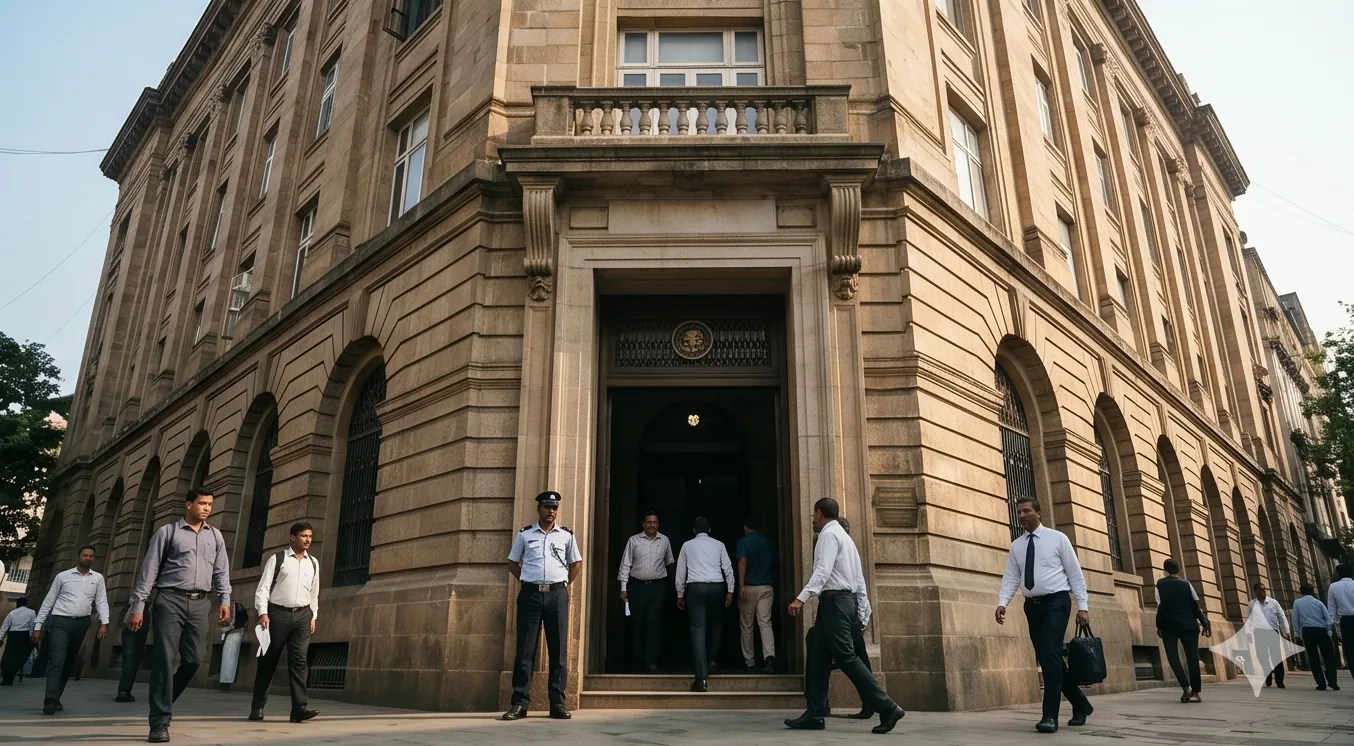
[RBI Liquidity Initiatives]:
The Reserve Bank of India (RBI) has implemented significant regulatory updates to enhance systemic liquidity and banking stability. These include new directives permitting banks to extend both secured and unsecured credit to non-resident account holders against Foreign Currency Non-Resident (FCNR(B)) deposits. These measures complement the special swap facility launched on June 5, 2026, which allows banks to mobilize three- to five-year foreign currency deposits with the RBI absorbing hedging costs. These strategic efforts aim to attract up to $50 billion in foreign capital while mitigating the cost burden of hedging overseas debt, thereby bolstering the rupee and banking balance sheets.
[Digital Credit and Banking Shifts]:
Simultaneously, the central bank is refining the digital finance sector by aligning prudential norms for UPI-linked pre-sanctioned credit lines with standard loan products. This move provides a structured risk management framework for the rapidly expanding credit-on-UPI ecosystem. In the corporate space, YES Bank is preparing for a pivotal board meeting on June 29, 2026, to evaluate a significant capital raise through equity and debt securities. This move is designed to improve capital adequacy ratios and facilitate long-term credit expansion, while the broader banking sector continues to monitor government divestment plans, such as those involving IDBI Bank.
[Political and Civic Friction]:
While the RBI focuses on national financial architecture, local civic discourse in Mumbai has turned combative. Shiv Sena (UBT) leader Aaditya Thackeray has leveled accusations against the ruling BJP, claiming systemic mismanagement of Brihanmumbai Municipal Corporation (BMC) funds. Thackeray argues that financial drain has crippled Mumbai’s infrastructure, leaving the city vulnerable to severe monsoon-driven waterlogging. This local political contention contrasts sharply with the proactive national financial policy, highlighting the complex environment balancing macro-economic stability with immediate urban infrastructure strain.
Pulse Intelligence
AI AnalysisContext & Background
- The Reserve Bank of India launched a special FCNR(B) deposit swap facility on June 5, 2026, to increase foreign capital inflows and reduce hedging costs.
- The National Payments Corporation of India and the RBI have identified UPI-linked credit lines as a foundational pillar for future retail credit penetration in India.
- Mumbai has historically struggled with severe seasonal waterlogging that routinely tests the city's aging drainage and stormwater infrastructure.
Key Consequences
- Indian banks are expected to see increased FCNR(B) deposit mobilization, improving overall banking sector liquidity and supporting long-term credit expansion.
- The formalization of UPI-linked credit norms will likely accelerate the rollout of new digital finance features for a broader consumer base.
- Heightened political pressure on BMC officials is expected regarding budget transparency and infrastructure audits as monsoon-related urban disruption persists.
Market & Economic Impact
The RBI measure is expected to improve foreign liquidity and provide a supportive backdrop for the rupee while bolstering banking stocks through clearer regulatory risks.