
June 7, 2026 at 05:06 AM 2 min readmarketsdeveloping
RBI Proposes Same-Day Cheque Clearance as Sanjay Malhotra Warns Banks
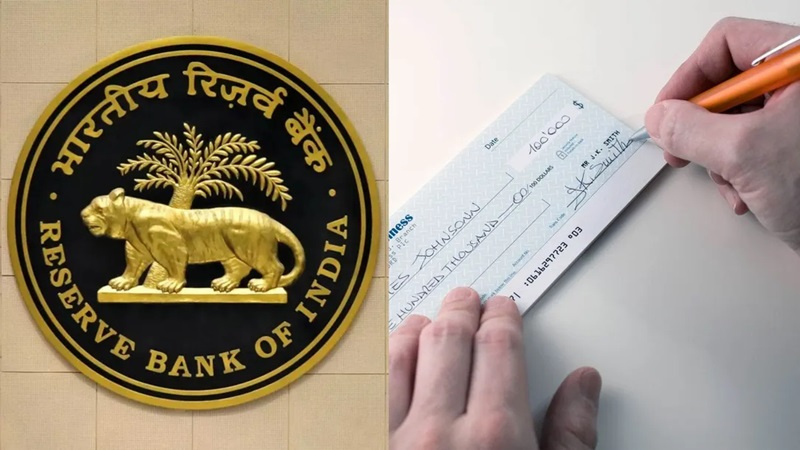
Same-Day Cheque Clearance Proposal:
The Reserve Bank of India (RBI), under the leadership of Governor Sanjay Malhotra, has officially proposed a major transition to same-day cheque clearance, aiming to completely eliminate the existing multi-day settlement cycles for retail and commercial banking customers across the nation. In a stern regulatory warning issued to commercial lenders, Governor Sanjay Malhotra emphasized that offering differential interest rates on deposits that violate established RBI guidelines is entirely unacceptable and will invite strict supervisory action. Additionally, the central bank confirmed that it is actively reviewing a detailed proposal to introduce advanced polymer currency notes to improve the physical durability and security of banknotes in circulation.
Monetary Policy and Rate Hike Speculation:
These regulatory announcements emerge amid intense speculation in financial markets regarding the central bank's upcoming interest rate trajectory, with leading economists indicating that the RBI's hawkish signals lay the groundwork for an interest rate hike during the upcoming review in August 2026. As retail inflation remains sticky and the system-wide credit-to-deposit ratio puts immense pressure on bank liquidity, the central bank is intensifying its micro-prudential supervision over commercial credit. The polymer banknote proposal aims to combat sophisticated counterfeiting networks, while same-day cheque clearing leverages India's digital public infrastructure to modernize traditional paper instruments.
Impact on Banking Operations and Liquidity:
For Indian banking consumers and small enterprises, the shift to same-day cheque clearance will dramatically speed up working capital cycles and reduce reliance on expensive short-term financing options. Commercial banks must immediately review and align their custom deposit rate structures with official regulatory thresholds to avoid severe regulatory penalties and reputational damage. Global investors and domestic markets will remain heavily focused on the August 2026 monetary policy committee meeting, where a potential policy rate hike would directly impact retail home loans, corporate debt costs, and overall banking sector profitability.
Pulse Intelligence
AI AnalysisContext & Background
- The RBI has been working to modernise India's payment systems, having already transitioned major digital systems like UPI, NEFT, and RTGS to round-the-clock operations.
- Persistent retail inflation and high credit growth have kept the central bank on high alert, maintaining a tight monetary policy stance throughout early 2026.
- Concerns over bank liquidity have previously led some lenders to offer aggressive, non-standard deposit rates to attract retail funds, drawing regulatory scrutiny.
Key Consequences
- Cheque clearance times will reduce from T+1 or T+2 days to just a few hours, increasing the velocity of money in the domestic economy.
- Banks offering unauthorized differential deposit rates will face strict regulatory penalties or be forced to recalibrate their deposit schemes.
- The introduction of polymer currency notes could gradually phase out traditional paper banknotes, beginning with specific low-denomination trial runs.
Market & Economic Impact
Tightening liquidity rules and a potential rate hike in August 2026 could put pressure on banking stocks and push bond yields higher.