
June 30, 2026 at 07:36 AM 2 min readworldevergreen
Rare Antarctic Dinosaur Fossil Discovered in Museum Drawer
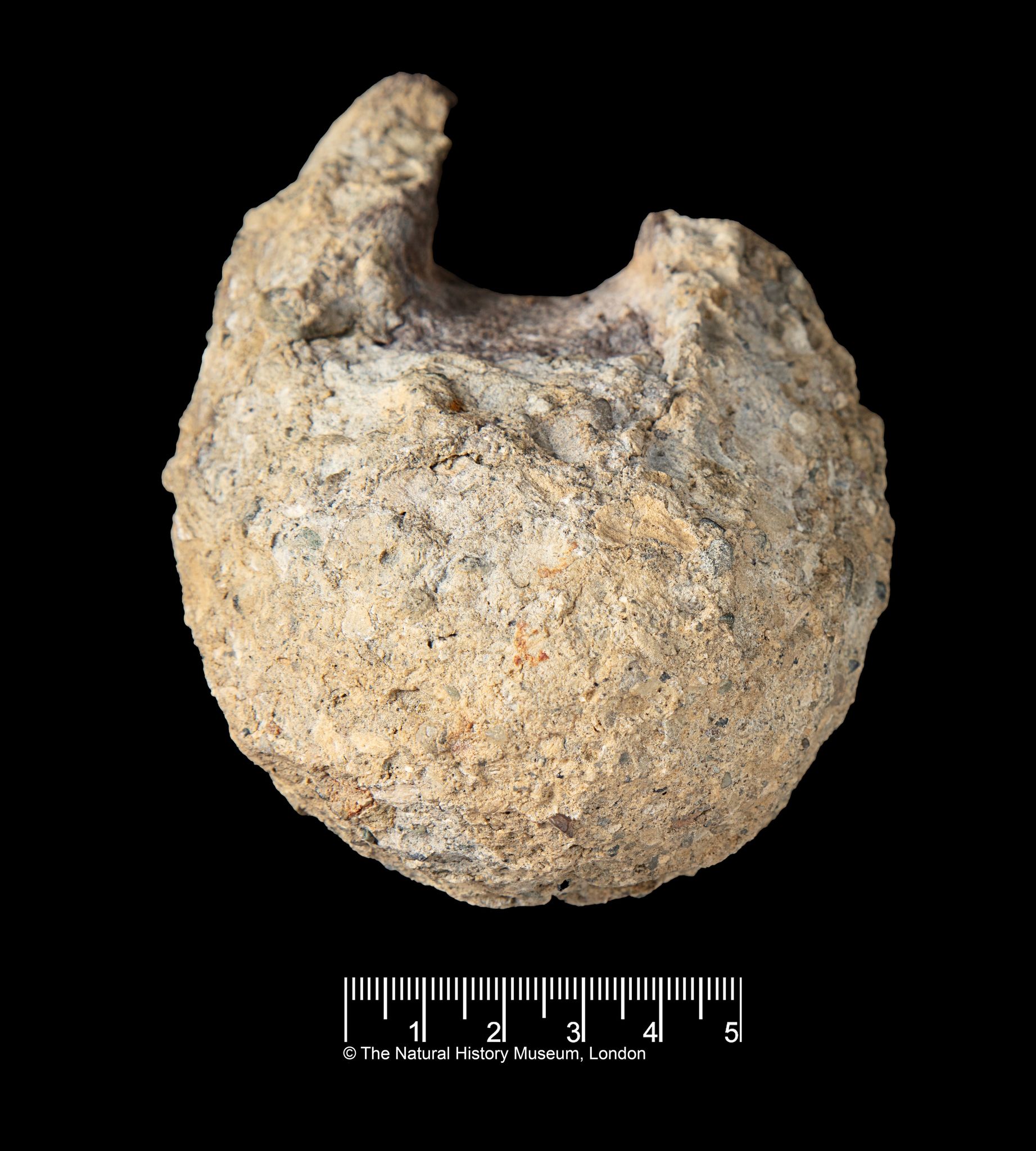
Unexpected Scientific Discovery:
A significant dinosaur fossil from Antarctica was identified in a museum storage drawer, years after its original collection. The bone, which represents a rare find from a region where fossil preservation is exceptionally challenging, had been misidentified or overlooked among vast archives. Researchers recently stumbled upon the specimen, which provides new evidence regarding the prehistoric biodiversity of the Antarctic continent before it was encased in ice.
Historical Context:
Paleontologists often contend with immense backlogs in museum collections, where specimens are cataloged and stored for decades before comprehensive study. This discovery emphasizes the value of revisiting long-standing collections as new analytical techniques and deeper geological knowledge emerge. Antarctica remains one of the least explored regions for paleontologists, making every fragment a vital piece of the puzzle regarding global prehistoric climate and species migration patterns.
Research Significance:
The fossil offers critical data about the dinosaurs that inhabited the southern polar regions millions of years ago. By understanding these creatures, scientists hope to piece together the environment before the breakup of the supercontinent Gondwana. The finding serves as a reminder of the untapped scientific wealth hidden in existing museum inventory, potentially leading to further breakthroughs in our understanding of evolutionary history and past terrestrial ecosystems.
Pulse Intelligence
AI AnalysisContext & Background
- Antarctica's harsh climate and glacial cover make traditional fossil excavation extremely difficult and rare.
- Most museum archives contain thousands of specimens that have not been fully studied or categorized by modern specialists.
Key Consequences
- Increased focus on re-examining museum archives across the globe to discover previously unrecognized specimens.
- More resources are likely to be allocated for future paleontological expeditions to the Antarctic region.
- Scientific literature will see updated models of prehistoric migration due to the identification of this specimen.
Market & Economic Impact
No direct market impact.