
June 8, 2026 at 09:00 PM 2 min readindiabreaking
Rajya Sabha Biennial Elections: Congress and BJP Finalize Candidate Lists Across Five States
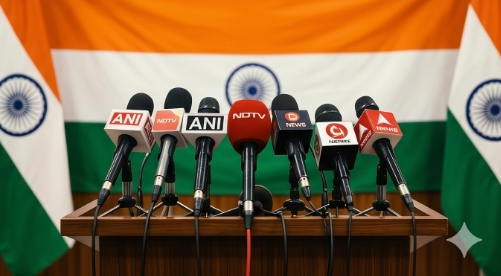
Rajya Sabha Candidate Nominations:
Major political parties have finalized their candidate lists for the upcoming biennial elections to the Upper House of Parliament. The Congress party has nominated seven leaders, including party president Mallikarjun Kharge and Pawan Khera, to represent Karnataka. Simultaneously, the BJP has announced its slate of 11 candidates across five states, opting to emphasize OBC representation by selecting academician M. Nagaraja from Karnataka, a move that concludes speculation regarding former Prime Minister H.D. Deve Gowda’s candidacy.
Strategic Shifts in Upper House Representation:
The candidate selection process reflects shifting strategic priorities within both the ruling coalition and the opposition. While the Congress is focusing on bolstering its parliamentary presence with key leadership figures, the BJP’s emphasis on academic and community-based representation aims to solidify its base. Meanwhile, the Nationalist Congress Party has moved to nominate Rajendra Jain, signaling internal shifts as leaders such as Chhagan Bhujbal remain sidelined despite vocal support from party colleagues like Supriya Sule.
Composition of the Rajya Sabha:
The upcoming elections are critical to the balance of power within the 245-member Rajya Sabha, where the BJP currently holds 113 seats and the broader National Democratic Alliance commands 148. These selections will determine the composition of the house as parties prepare to address national issues in the coming legislative sessions. Observers are closely watching how these appointments will influence the effectiveness of the opposition bloc’s parliamentary strategy following the electoral results.
Pulse Intelligence
AI AnalysisContext & Background
- The Rajya Sabha consists of 245 members, with members elected by state legislative assemblies using proportional representation.
- The NDA coalition currently maintains a significant majority in the Upper House, holding 148 seats total.
Key Consequences
- The induction of key party leadership into the Rajya Sabha is expected to sharpen the opposition's parliamentary debate and scrutiny of government policy.
- Internal dynamics within parties like the NCP may face further turbulence as specific nominations spark debates over leadership and national representation.
Market & Economic Impact
No direct market impact.