
June 17, 2026 at 11:32 AM 2 min readworldanalysis
Pakistan Eliminates 'Pink Tax' On Menstrual Products And Contraceptives
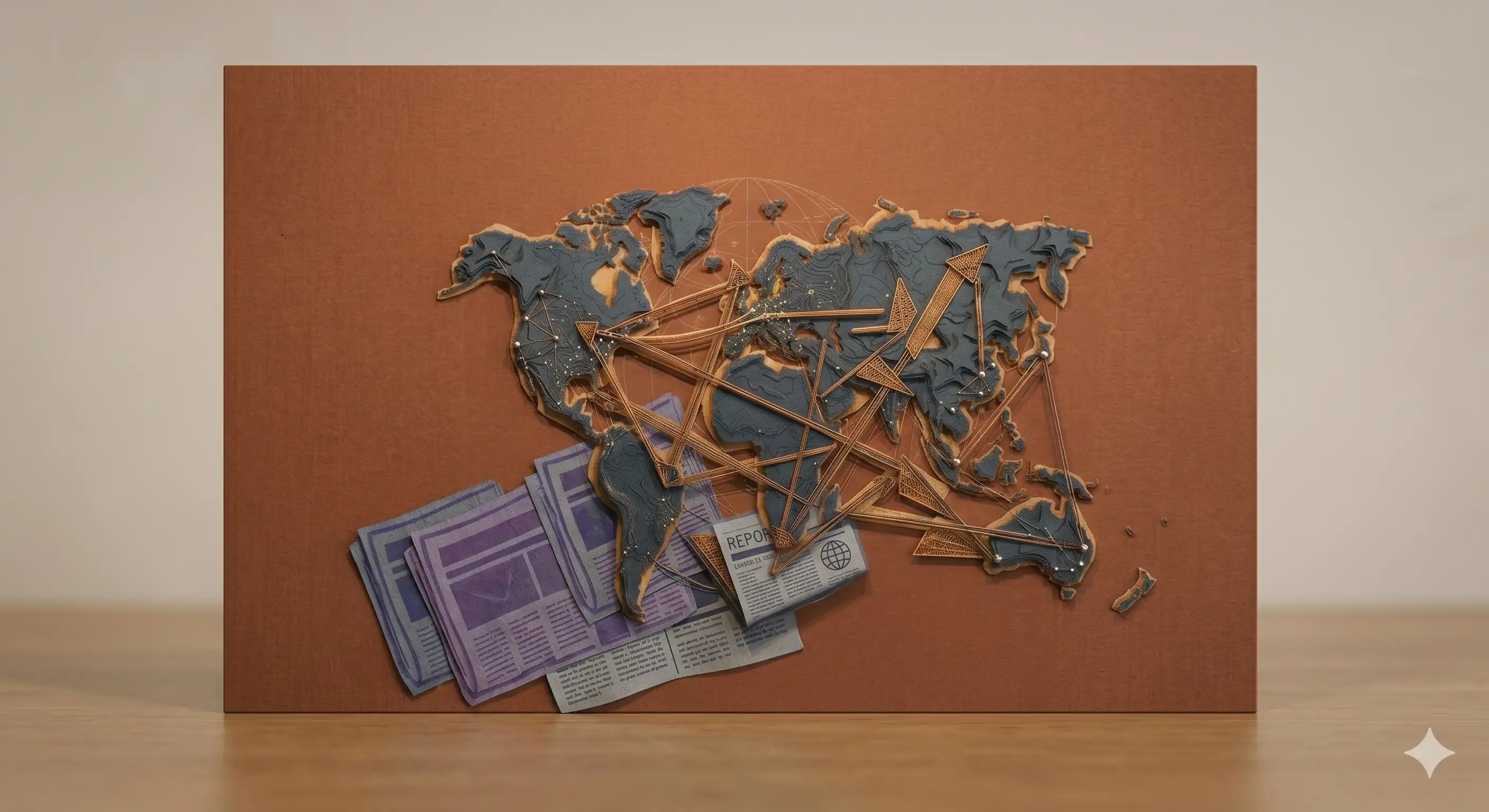
Tax Reform Measures:
The government of Pakistan has officially abolished the 18% sales tax on women's hygiene products, including sanitary napkins and tampons, as part of a newly announced relief budget. In addition to removing this 'pink tax,' authorities have made all contraceptives tax-free. Information Minister Attaullah Tarar stated that these measures aim to provide immediate financial relief to the public while addressing critical reproductive health and population challenges.
Economic and Social Rationale:
The removal of the levy follows years of advocacy by activists who argued that the 18% tax disproportionately burdened women, with UNICEF reports indicating that such costs could inflate retail prices by as much as 40%. By eliminating these costs, the government intends to improve access to essential products for women in rural and impoverished communities. Activists like Mahnoor Omer have welcomed the decision as a milestone for menstrual equity and reproductive rights in the country.
Broader Implications:
This policy shift marks a significant development in Pakistan's social infrastructure as the government attempts to transition into an era of economic prosperity. While the immediate focus remains on affordability, the move reflects a growing institutional recognition of gender-specific economic barriers. Observers are now looking to see how these tax waivers will impact market availability and whether similar reforms will follow in other sectors of the economy.
Pulse Intelligence
AI AnalysisContext & Background
- Pakistani women's rights organizations have campaigned for years to eliminate the sales tax on menstrual hygiene products.
- UNICEF had previously highlighted that high retail costs due to the 18% tax created significant barriers to menstrual hygiene access.
- The government is currently navigating a complex economic landscape and seeking to implement public-friendly budget measures.
Key Consequences
- The retail price of sanitary pads and related hygiene products is expected to decrease significantly in the near term.
- Public health programs focusing on reproductive rights are likely to see improved engagement due to lower product costs.
- The government may face pressure to review other indirect taxes that impact essential goods for low-income households.
Market & Economic Impact
No direct market impact.