
July 4, 2026 at 07:31 AM 2 min readworldbreaking
Pakistan Slashes Petrol and Diesel Prices as Global Crude Pressure Eases
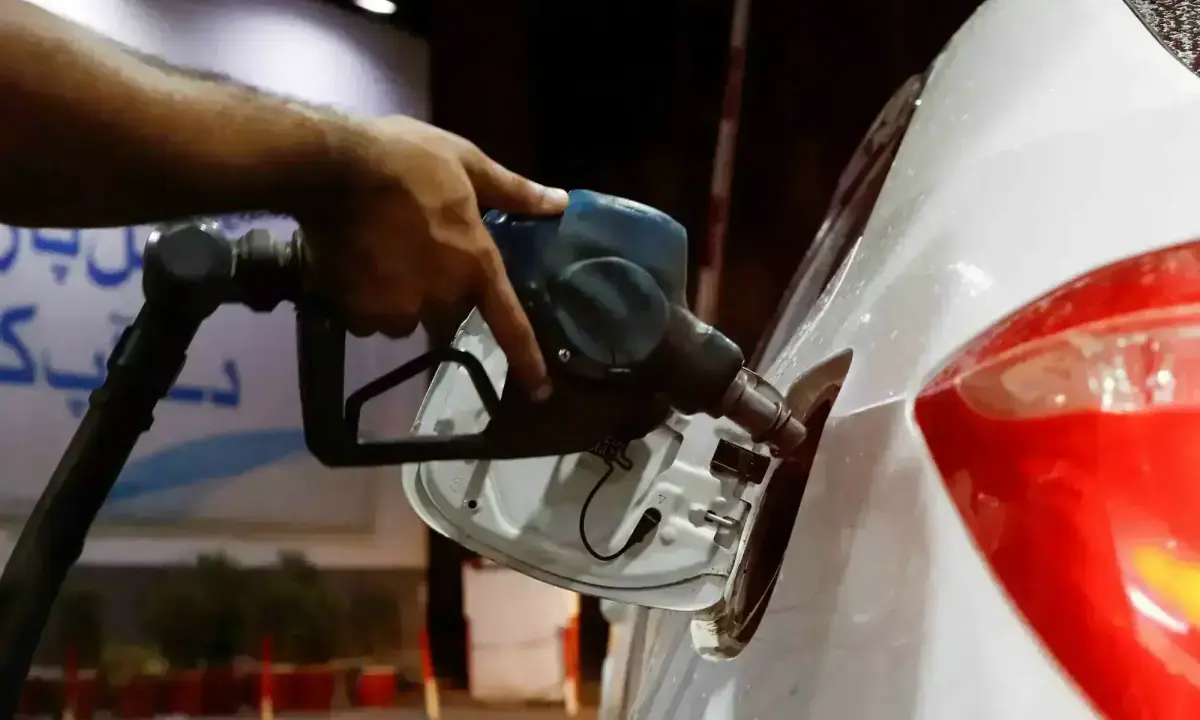
Pakistan Fuel Price Reduction:
The government of Pakistan has announced a reduction in the prices of petrol and diesel by Rs 1.97 per litre. This latest revision continues a downward trend in domestic fuel costs, which have seen a cumulative reduction of approximately Rs 109 per litre over recent months. The move is intended to provide immediate relief to consumers who have faced record-high inflation over the past year. The new prices take effect immediately across all major cities, including Islamabad, Lahore, and Karachi.
Easing Geopolitical Tensions:
The price cut follows a period of de-escalation in West Asia, where easing military tensions have led to more stable global crude oil benchmarks. Pakistan's fuel pricing mechanism is closely tied to international market fluctuations and the exchange rate of the Pakistani Rupee. As the risk premium associated with regional conflict dissipated, the government was able to secure lower import costs. Despite this reduction, analysts note that petrol prices remain significantly higher than pre-war levels seen in early 2024.
Regional Implications for India:
This development in Pakistan's energy sector highlights the volatility of fuel pricing across South Asia. While Pakistan is aggressively slashing prices from historic peaks, India has maintained a more stable pricing structure through government-controlled revisions. For the average Indian observer, Pakistan's move reflects the easing of global energy supply constraints that also benefit India’s strategic petroleum reserves and import bill. Stability in Pakistan's fuel market is also crucial for regional economic sentiment and cross-border trade dynamics.
Pulse Intelligence
AI AnalysisContext & Background
- Pakistan faced a severe economic crisis in 2025, leading to record fuel prices exceeding Rs 300 per litre.
- Global oil prices spiked earlier in 2026 due to intensified conflicts in West Asia, which have recently begun to moderate.
Key Consequences
- Lower transportation costs in Pakistan are expected to slightly cool the country's headline inflation rate.
- The government may face pressure to further reduce prices if global crude continues to trade below $80 per barrel.
Market & Economic Impact
No direct impact on Indian stock markets, but it signals a broader easing of energy-led inflation across the South Asian region.