
June 7, 2026 at 12:28 PM 2 min readworlddevelopingAI Image
Pakistan Interior Minister Mohsin Naqvi Visits Tehran With Special Letter
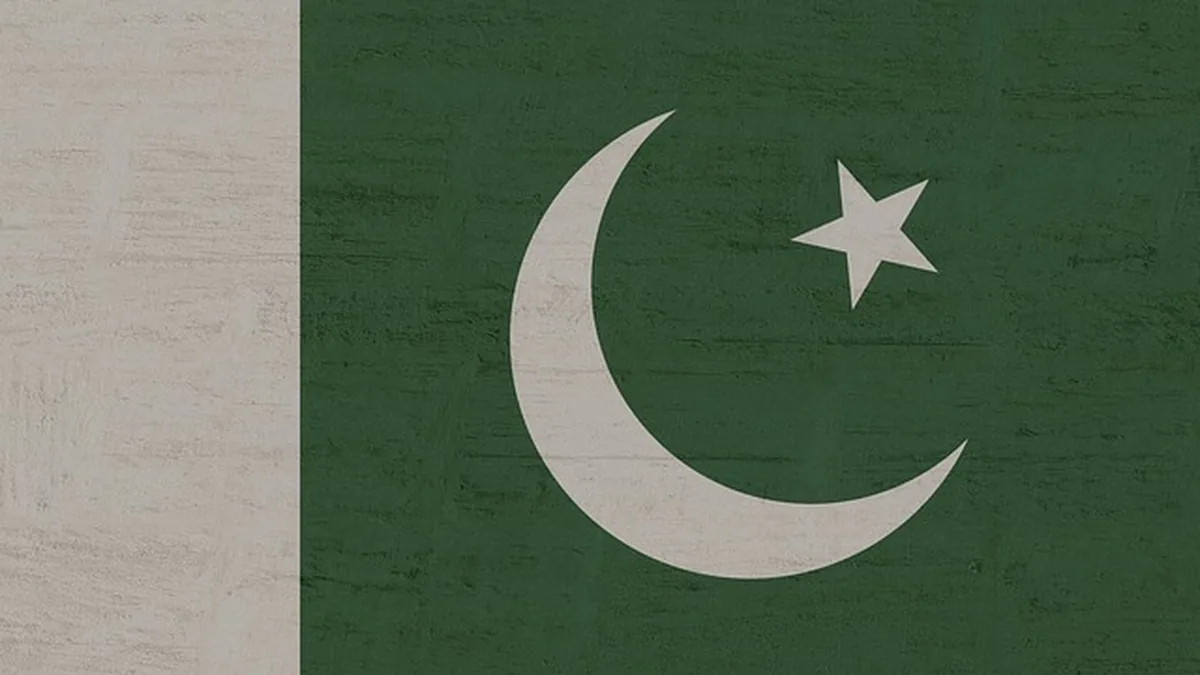
Urgent Diplomatic Mission:
Pakistan’s Interior Minister Mohsin Naqvi arrived in Tehran on Saturday, June 6, 2026, for an unannounced high-level diplomatic visit. Naqvi carried a special letter from Pakistani leadership addressed directly to Iran's Supreme Leader Ayatollah Ali Khamenei. The visit, which marks Naqvi's third trip to the Iranian capital in recent weeks, is aimed at pushing for regional peace and security amidst rising geopolitical conflicts and cross-border security challenges.
Escalating Border and Geopolitical Pressures:
The diplomatic flurry comes amid escalating tensions between the United States and Iran, which have increasingly put neighboring Pakistan in a precarious position. Islamabad is attempting to balance its relations with Washington while preventing any spillover of the West Asian conflict onto its own soil. Key issues on the table include bilateral security cooperation, joint border management, and mitigating regional instability that threatens both nations' internal stability and domestic economic growth. Both nations are also discussing ways to prevent cross-border terrorism and illegal trade.
Implications for Regional Security:
The outcomes of this engagement are critical for regional stability in South and West Asia, directly impacting India's geopolitical interests. Any escalation or misalignment between Pakistan and Iran can cause instability along India's western frontier and disrupt key trade routes. New Delhi is keeping a close watch on Islamabad's active mediation efforts as it seeks to protect its own economic, maritime, and strategic investments in the wider region. Indian security agencies are particularly concerned with how these talks might affect regional energy supply lines.
Pulse Intelligence
AI AnalysisContext & Background
- Pakistan and Iran share a volatile 900-kilometer border that has frequently seen cross-border militant attacks and retaliatory military strikes.
- Islamabad faces intense pressure from Washington to limit its economic and energy ties with Tehran, particularly concerning the long-delayed gas pipeline project.
- Rising conflicts in West Asia have forced regional players to step up diplomatic engagements to prevent a wider regional outbreak.
Key Consequences
- Enhanced border patrolling and intelligence sharing between Pakistan and Iran may be implemented to curb cross-border insurgencies.
- The contents of the 'special letter' could lead to a coordinated regional diplomatic stance on the ongoing US-Iran tensions.
- Pakistan's active mediation might help de-escalate immediate regional border friction but will require careful management of US relations.
Market & Economic Impact
No direct market impact, but stable Pakistan-Iran borders contribute to the overall stability of regional trade corridors.