
June 6, 2026 at 03:28 AM 2 min readaianalysis
OpenAI CEO Sam Altman Shifts Stance On AI Job Loss Fears
Regulatory Cooperation:
OpenAI has announced its commitment to allow the United States government to review its artificial intelligence models prior to public release. This move represents a significant alignment with the voluntary AI executive order, aiming to improve transparency and safety oversight at a federal level. By facilitating pre-release audits, OpenAI seeks to address growing concerns regarding the societal and security implications of its frontier models, setting a potential standard for how other AI firms engage with national regulatory bodies.
Changing Employment Outlook:
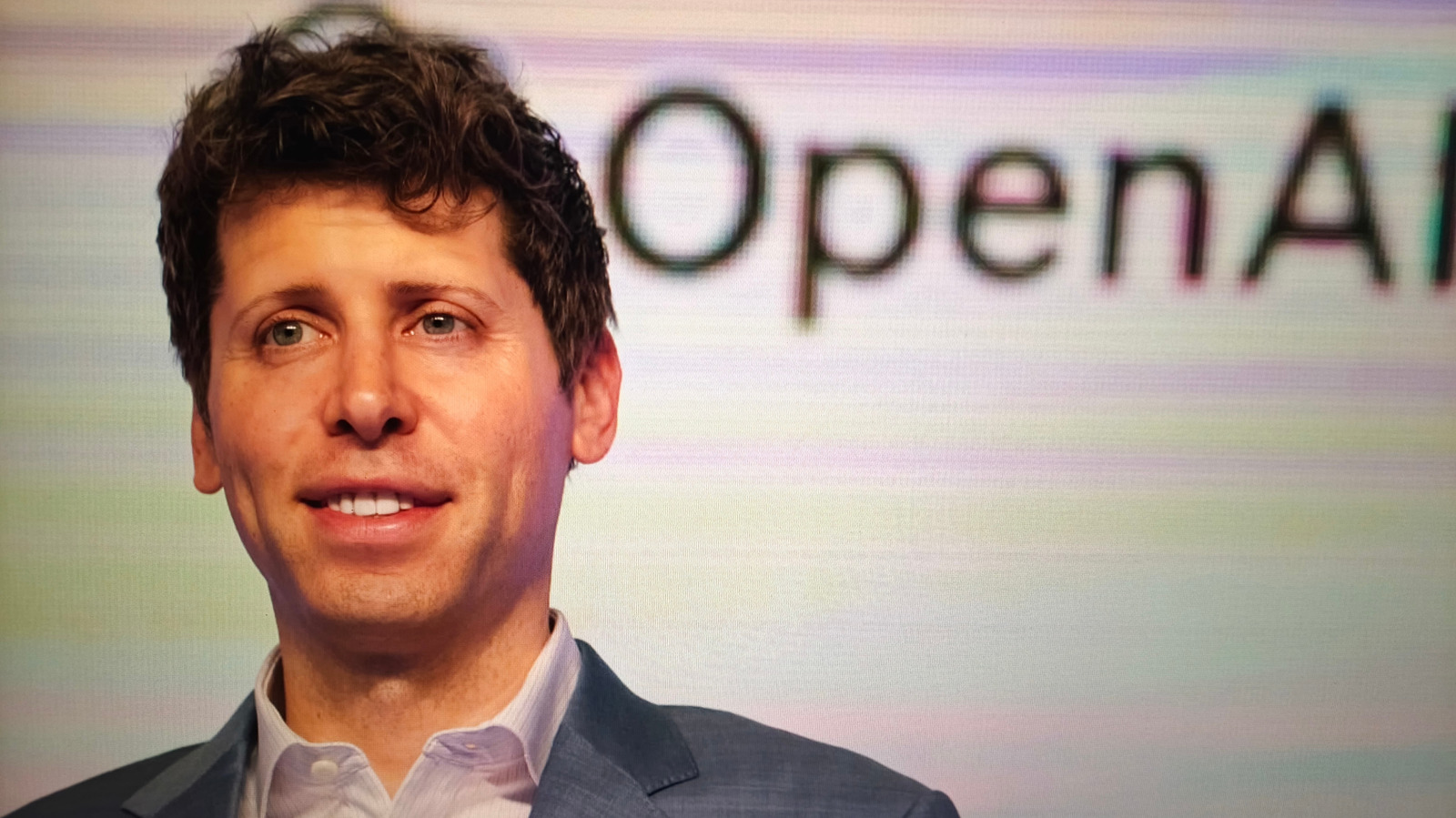
OpenAI CEO Sam Altman has publicly shifted his perspective on the impact of AI on the workforce. While previously acknowledging anxieties surrounding automation, Altman now argues that companies integrating AI the most aggressively are frequently expanding their hiring efforts rather than reducing their headcount. This revisionist stance suggests that the technology is acting more as an essential productivity catalyst—comparable to modern office equipment—rather than a direct replacement for human employees, though public apprehension remains elevated.
Enterprise Adoption Trends:
AI has become increasingly embedded in modern business operations, with startup executives like Dan Shipper noting that companies are willing to absorb significant costs for tools like OpenAI’s Codex to sustain growth. Despite rising usage expenses, businesses view these integrations as vital employee benefits and productivity enhancers. For India, this evolving outlook is critical as domestic firms continue to calibrate their own AI implementation strategies, weighing the immediate productivity gains against the broader, long-term shifts in labor market demands and operational cost structures.
Pulse Intelligence
AI AnalysisContext & Background
- OpenAI has faced mounting pressure from both the public and regulators to prove that its large-scale AI models are safe before wide-scale deployment.
- The fear of AI-induced unemployment has been a dominant theme in corporate and government discussions about AI regulation for the past two years.
Key Consequences
- Increased standardization of pre-release safety audits across the broader AI industry as OpenAI sets a precedent for government cooperation.
- A shifting narrative in enterprise sectors that promotes AI as a tool for workforce expansion rather than just automation-driven cost reduction.
- Continued rise in corporate spending on proprietary AI development tools as these services become foundational to the modern professional environment.
Market & Economic Impact
Neutral; the focus on corporate AI adoption may encourage sustained investment in AI infrastructure, though regulatory reviews could introduce friction to product release cycles.