
July 7, 2026 at 10:03 AM 2 min readmarketsdeveloping
Oil Prices Edge Higher Amid Strait of Hormuz Security Fears
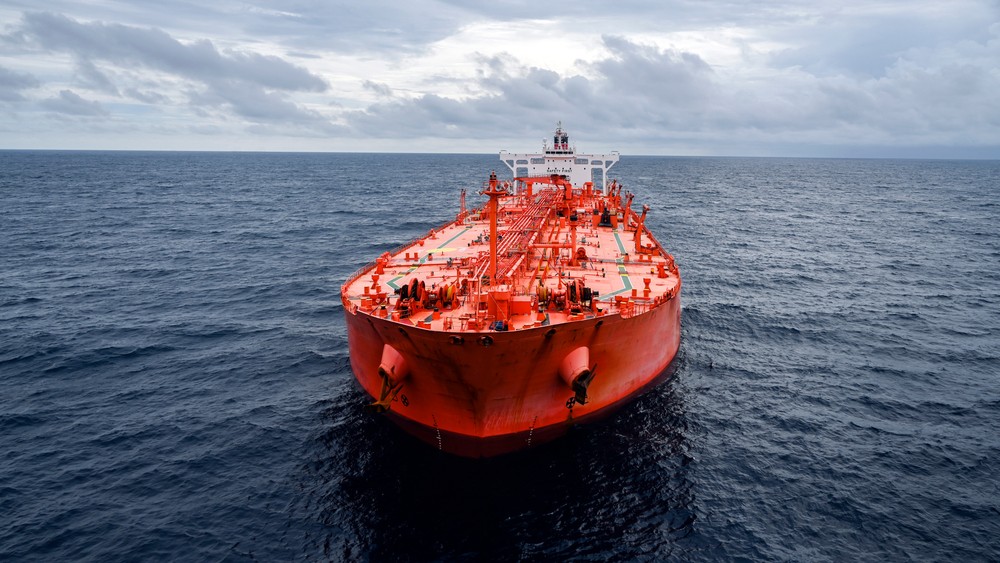
Oil Market Volatility:
Global oil prices moved higher as geopolitical risks in the Strait of Hormuz offset earlier price cuts by Gulf exporters. The increase follows reports of an attack on a tanker near Oman, which stoked fears of potential supply disruptions in the vital shipping waterway. Despite aggressive pricing strategies from major oil producers intended to capture market share, the persistent threat to transit routes continues to provide a floor for crude values.
Supply-Demand Dynamics:
The market remains caught between two opposing forces: producers are attempting to sustain volume growth through competitive pricing, while geopolitical uncertainty threatens to tighten supply. Saudi Arabia and other Gulf exporters have recently slashed official selling prices, hoping to incentivize buyers despite a cooling global consumption environment. However, these efforts are being challenged by the ongoing regional friction that necessitates a risk premium on every barrel crossing the Strait.
Economic Implications:
The instability in maritime corridors creates immediate pressure on energy-importing nations like India, where higher fuel costs can inflate the import bill and trigger domestic inflation. While house prices in the UK have shown resilience despite wider economic uncertainty, the energy sector remains a volatile focal point for global investors. Market participants are now closely monitoring whether the recent tanker incident will trigger a wider escalation that forces OPEC+ to reassess its current supply boost policies.
Pulse Intelligence
AI AnalysisContext & Background
- OPEC+ has been actively adjusting supply levels to balance global market demand and maintain price stability.
- Gulf exporters recently introduced price cuts to maintain their competitive edge among international buyers.
- The Strait of Hormuz serves as one of the world's most critical maritime chokepoints for oil transit.
Key Consequences
- Continued instability could force a re-evaluation of energy supply strategies by importing nations.
- Persistent high-risk premiums will likely maintain upward pressure on crude oil benchmarks.
- Increased volatility in energy markets may impact domestic inflationary pressures in India.
Market & Economic Impact
Heightened energy prices pose a risk to India's import bill and broader macroeconomic stability.