
July 6, 2026 at 03:10 PM 2 min readhealthanalysis
Study Links Obesity to Molecular Breast Cancer Progression
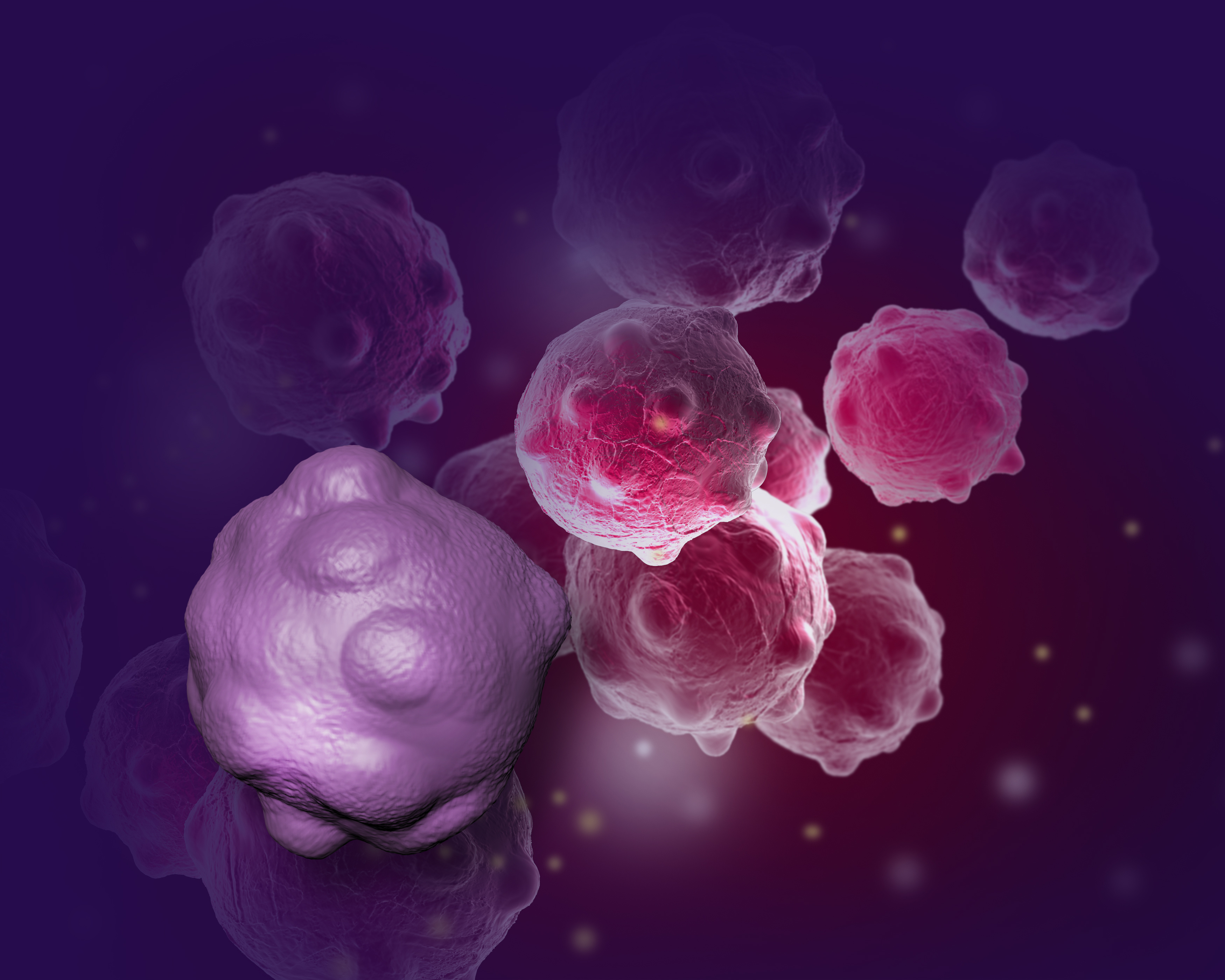
Molecular Cancer Drivers:
A groundbreaking study has identified the specific molecular pathways through which obesity influences breast cancer progression. Researchers found that excess adipose tissue creates a biochemical environment that accelerates tumor growth and impacts cancer behavior at a cellular level. This discovery elevates obesity from a lifestyle concern to a critical biological driver of cancer, underscoring the urgent need for metabolic interventions in oncology care.
Scientific Findings:
Scientists utilized advanced spatial resolution techniques to map how fat cells communicate with cancer cells. The study reveals that inflammatory markers produced by obesity directly promote cell proliferation in certain breast cancer types. By linking specific metabolic triggers to cancer aggression, the research opens new doors for targeted therapies that could potentially disrupt these signaling pathways. This evidence moves beyond statistical correlations to show the tangible biological mechanism behind obesity-related cancer risks.
Public Health Implications:
Experts warn that obesity is now linked to 19 different types of cancer, making it a significant public health priority. The findings suggest that metabolic health management should be integrated into standard cancer prevention and treatment plans. For India, where obesity rates are rising across urban populations, this underscores the critical importance of early lifestyle modifications and metabolic screening. Implementing these findings into clinical practice could eventually improve survival rates by addressing the underlying metabolic contributors to cancer development alongside traditional oncology treatments.
Pulse Intelligence
AI AnalysisContext & Background
- Obesity has long been considered a risk factor for various malignancies.
- Previous studies provided statistical evidence linking excess weight to breast cancer incidence.
- Medical research is increasingly focusing on the interplay between metabolism and cancer biology.
Key Consequences
- Oncology treatments will likely incorporate more robust metabolic and lifestyle interventions.
- New research will focus on developing drugs that target obesity-driven molecular pathways.
- Public health awareness regarding obesity-related cancer risks will increase significantly.
Market & Economic Impact
No direct market impact.