
July 8, 2026 at 07:08 AM 2 min readautodeveloping
Nissan Tekton Excludes Duster Hybrid Powertrain
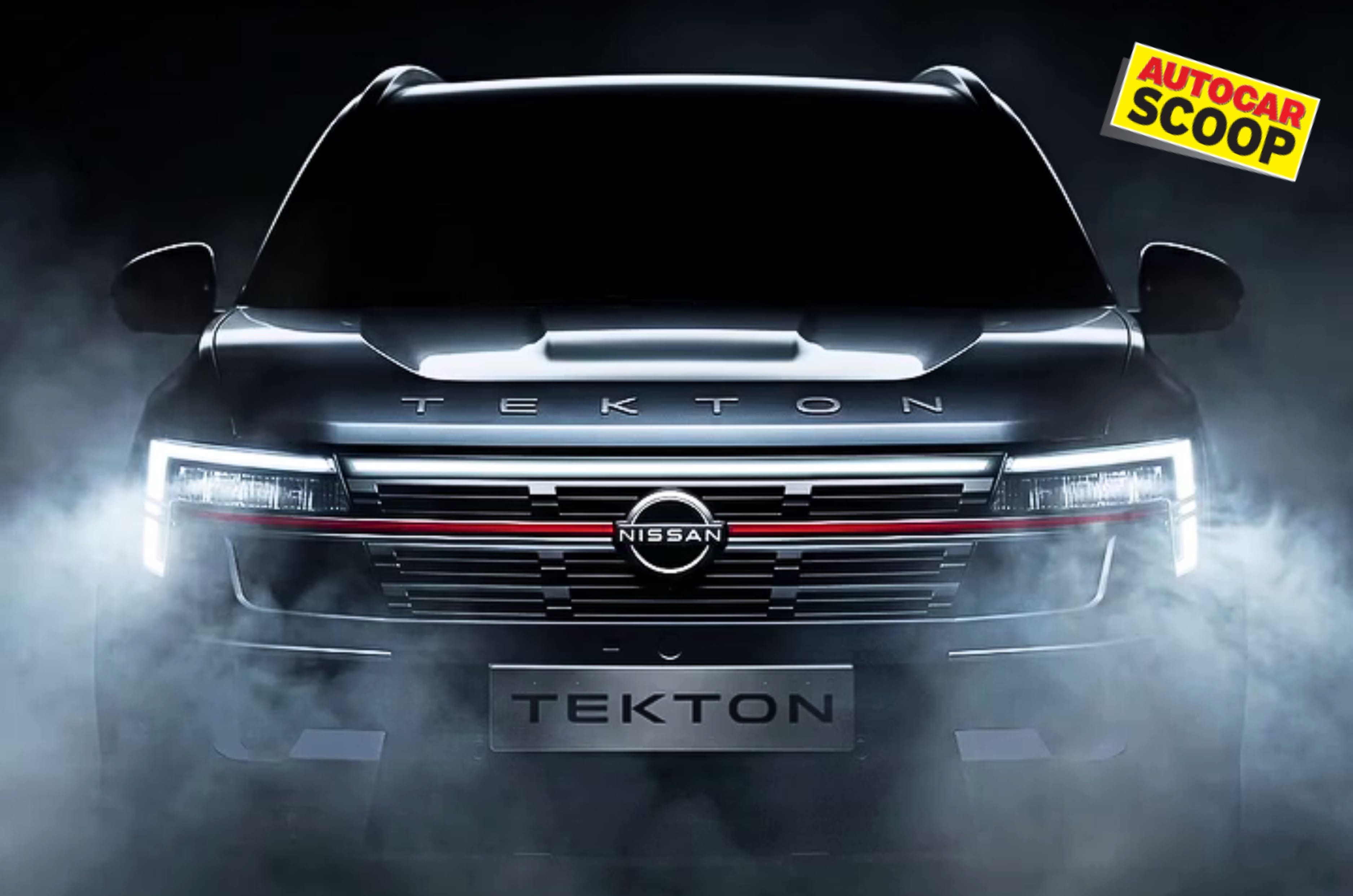
Powertrain Strategy Revealed:
The upcoming Nissan Tekton, scheduled for launch on 9 July 2026, will not feature the strong-hybrid powertrain expected in its sibling, the new Renault Duster. Industry reports confirm that Renault has opted to keep the 160hp, 1.8-litre strong-hybrid system exclusive to the Duster to create a distinct competitive advantage in the midsize SUV segment. Instead, the Nissan Tekton will offer traditional internal combustion engines, specifically 1.0-litre and 1.3-litre turbo-petrol units, maintaining a focus on performance for its respective price segment.
Alliance Dynamics:
This decision highlights a significant shift in the Renault-Nissan alliance's strategy within India. Since Renault acquired full control of their local manufacturing joint venture, the French automaker has taken the lead in product development and engineering. Renault’s move to retain the hybrid system exclusivity allows it to position the Duster at a higher value tier. The alliance continues to share the common RGMP platform and other core components, balancing cost-efficiency with the need for individual brand differentiation in a crowded market.
Market Differentiation:
Nissan intends to distinguish the Tekton through design and brand perception rather than shared electrified technology. The Tekton’s styling is reportedly influenced by the larger Nissan Patrol, providing a more rugged and upright stance that differentiates it from the Duster’s aesthetic. By leaning into the reputation for Japanese reliability, Nissan hopes to compete effectively despite the lack of hybrid efficiency. Pricing strategy will be instrumental, with the Tekton expected to undercut the Duster to maximize volume, similar to the historical relationship between the Nissan Magnite and the Renault Kiger.
Pulse Intelligence
AI AnalysisContext & Background
- The Renault Duster and Nissan Tekton share the CMF-B-based RGMP platform as part of their alliance's shared cost strategy.
- Renault previously bought out Nissan's stake in their Indian manufacturing joint venture, consolidating control over local engineering.
Key Consequences
- The Duster may occupy a higher price segment due to the inclusion of the strong-hybrid system, potentially limiting its mass-market penetration.
- Nissan might gain price-sensitive market share by offering a more affordable, non-hybrid alternative with a distinct design identity.
Market & Economic Impact
No direct market impact; indicates brand-specific product strategies for Renault and Nissan in India.