
July 8, 2026 at 07:09 AM 2 min readhealthbreaking
New Oral Cancer Swab Delivers 95% Diagnostic Accuracy
Breakthrough Diagnostic Tool:
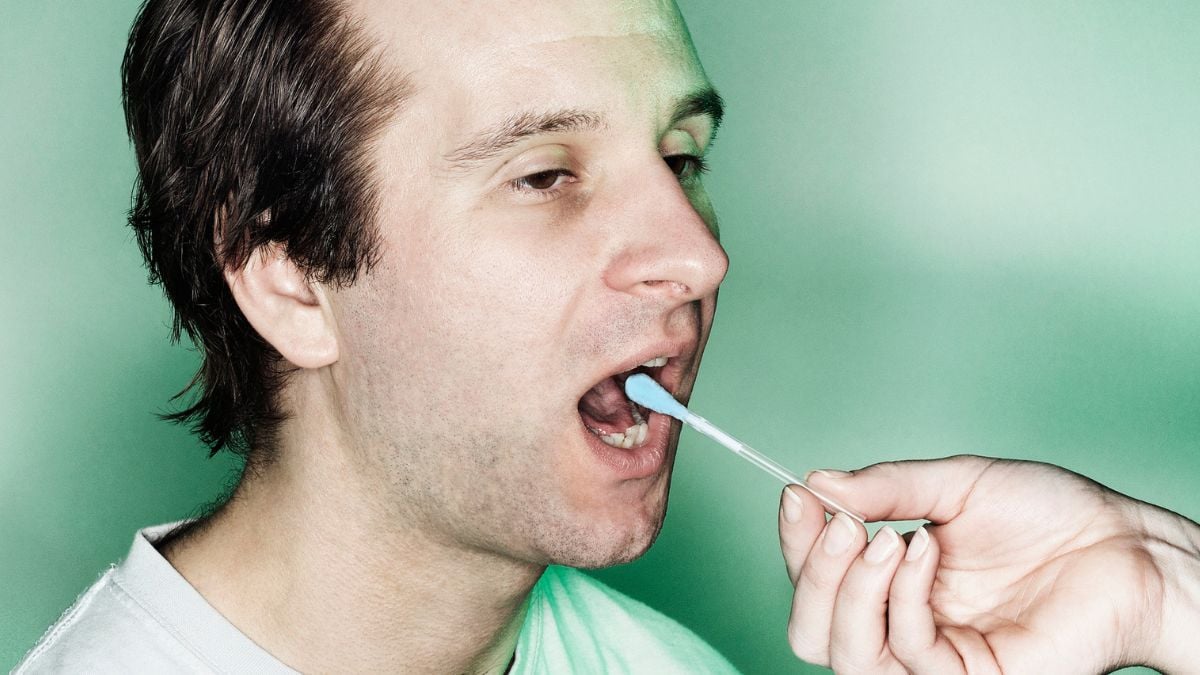
A newly developed painless brush biopsy method is showing promise in the early detection of oral cancers, achieving accuracy rates exceeding 95% in initial studies. The test provides results in approximately one hour, offering a significant improvement over traditional, more invasive diagnostic procedures. This innovation promises to streamline screening processes, potentially increasing the number of early-stage detections in clinical settings.
Technological Advantages:
The brush biopsy technique replaces traditional, often uncomfortable scalpels, making the screening process significantly more accessible for patients. By collecting surface cells through a non-invasive swab, the test allows clinicians to rapidly identify cancerous or precancerous biomarkers with high precision. This development addresses the long-standing need for a faster, lower-barrier screening tool for oral malignancies, which currently require complex lab workflows to confirm.
Public Health Implications:
The rapid deployment of this technology could drastically improve survival outcomes in India and globally by facilitating early intervention. As researchers continue to validate the technique across larger, more diverse cohorts, its integration into standard dental and primary care checkups could become a life-saving routine. The test's ability to provide near-immediate results is expected to improve patient compliance and reduce the psychological burden often associated with prolonged cancer screenings.
Pulse Intelligence
AI AnalysisContext & Background
- Oral cancer remains a leading cancer type globally, with early detection consistently linked to higher survival rates.
- Existing screening methods often involve invasive tissue biopsies that require multiple days to process in a laboratory.
Key Consequences
- Increased adoption of this rapid swab test could significantly lower the barrier for routine oral cancer screening.
- Dental clinics may soon offer this test as a standard preventive check, increasing overall diagnostic efficiency.
Market & Economic Impact
No direct market impact.