
June 23, 2026 at 11:01 PM 2 min readworlddeveloping
Netanyahu Demands Arms Self-Reliance: Israel to Break Free From US Military Dependency
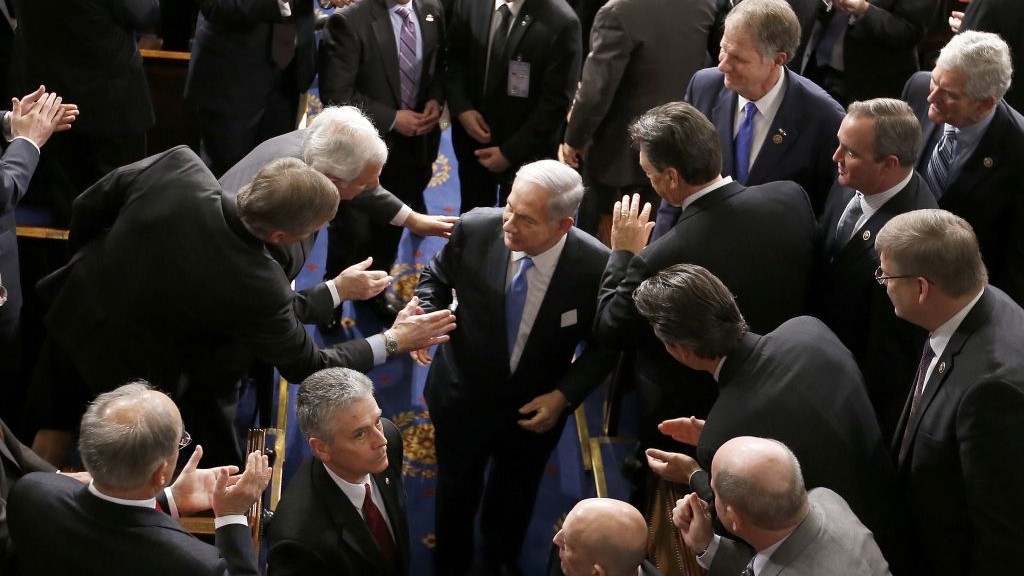
Israel's Defense Autonomy Push:
Israeli Prime Minister Benjamin Netanyahu has explicitly called for the nation to establish a fully independent domestic weapons-production network. Speaking to reserve officers, Netanyahu emphasized that Israel must fundamentally decouple its military capabilities from US dependency to secure long-term strategic sovereignty. This directive follows a period of intensifying friction regarding the future of the Iran nuclear deal and fluctuating international support for ongoing Israeli security operations. The Prime Minister's stance highlights a growing pivot toward domestic industrial capability as a necessary safeguard against external political shifts.
Strategic Shift and Geopolitical Tensions:
The urgency behind this move stems from disagreements with current US foreign policy approaches, particularly concerns over the Trump administration's engagement on Iran-related security architectures. Historically, Israel has relied heavily on US military funding and cooperative defense agreements to maintain its regional qualitative military edge. However, the current administration’s signals, including public commentary from leadership, suggest a potential re-evaluation of long-standing military aid packages. This perceived instability in the traditional security blanket has prompted the Israeli government to prioritize internal manufacturing capacity to mitigate potential supply chain vulnerabilities during conflict.
Domestic Implications and Global Outlook:
Looking ahead, this push for industrial self-reliance will require significant state investment in advanced manufacturing and R&D infrastructure. Analysts expect this transition to carry heavy economic costs, potentially necessitating reallocation of funds from domestic social programs into the defense-industrial sector. For India, the development represents a significant shift in the Middle Eastern defense market, as a more self-reliant Israel may alter its procurement strategy and technology export policies, potentially impacting existing defense cooperation frameworks with international partners.
Pulse Intelligence
AI AnalysisContext & Background
- Israel has historically maintained a deep military partnership with the US, receiving substantial annual defense aid packages.
- Disputes regarding the Iran nuclear deal have frequently strained diplomatic ties between the Israeli government and US administrations.
- The recent political discourse has seen increased emphasis on sovereignty, with leaders highlighting risks associated with external dependency for critical munitions.
Key Consequences
- The Israeli government will likely fast-track investment into domestic defense manufacturing to reduce reliance on external suppliers.
- Tensions between Israel and the US over military aid funding levels are expected to persist in the coming fiscal quarter.
- The regional security balance in the Middle East may fluctuate as Israel seeks to diversify its military support and operational autonomy.
Market & Economic Impact
Potential shift in defense-sector investment flows in Israel, with broader implications for global military technology supply chains.