
July 6, 2026 at 10:12 AM 2 min readindiadeveloping
NCLAT Judicial Reshuffle Follows Chairperson Retirement
Judicial Transitions:
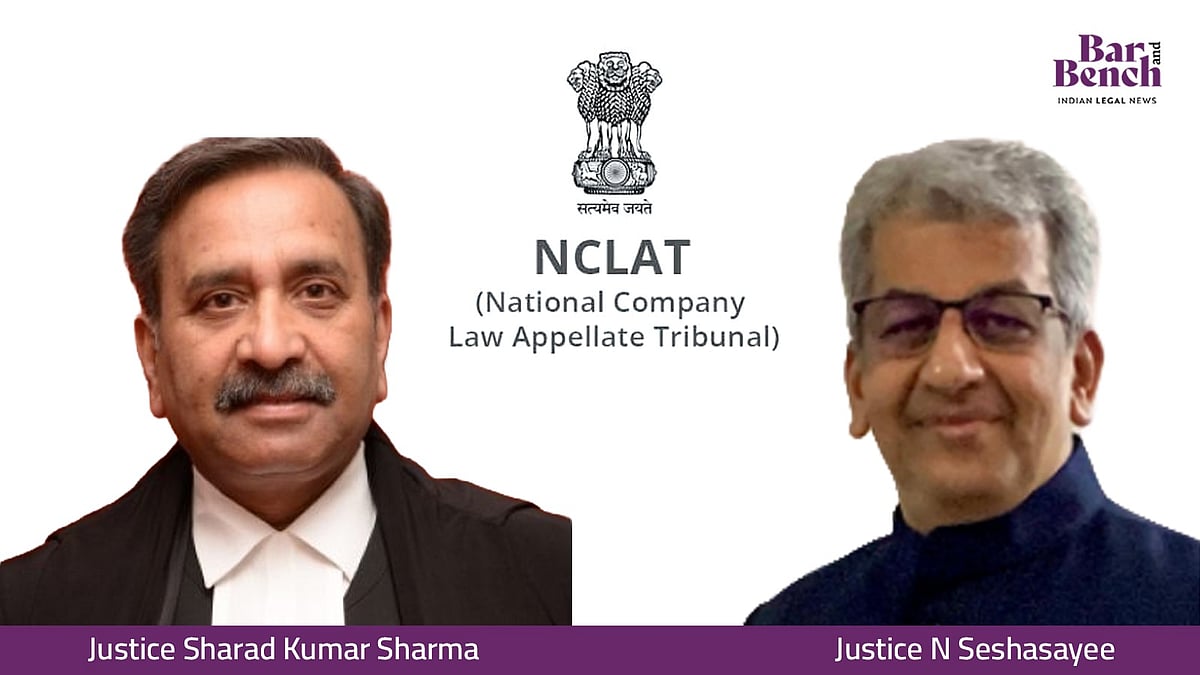
The National Company Law Appellate Tribunal (NCLAT) is undergoing a significant administrative reshuffle following the retirement of Chairperson Justice Ashok Bhushan, who demitted office on July 4, 2026, after nearly five years of service. As part of this reorganization, the tribunal has directed the transfer of key judicial members. Justice Sharad Kumar Sharma is set to move to the Delhi bench, while Justice N Seshasayee has been assigned to the Chennai bench in the public interest.
Administrative Focus:
These changes occur at a critical time for corporate governance in India, as the tribunal manages a substantial docket of insolvency and commercial disputes. The rotation of senior members aims to streamline judicial operations across regional benches and ensure continuity in the adjudication of cases. Observers note that such administrative realignments are standard practice to balance the caseloads between the Principal Bench in New Delhi and various regional branches across the country.
Broader Legal Context:
Outside the NCLAT, legal tensions persist in other high-profile disputes, including the ongoing Mekedatu dam controversy between Karnataka and Tamil Nadu. AMMK Chief TTV Dhinakaran recently urged the Tamil Nadu government to escalate the matter by filing a contempt case in the Supreme Court against the Karnataka government. He further requested the Tamil Nadu Chief Minister, C Joseph Vijay, to seek direct intervention from the Prime Minister to halt unauthorized construction activities, reflecting the persistent interplay between legal proceedings and federal-state political dynamics.
Pulse Intelligence
AI AnalysisContext & Background
- Justice Ashok Bhushan served as the NCLAT Chairperson since his appointment, presiding over several landmark insolvency cases during his tenure.
- The Mekedatu dam dispute has seen years of litigation in the Supreme Court between the states of Karnataka and Tamil Nadu regarding water-sharing rights.
Key Consequences
- The reshuffle of judicial members is expected to stabilize bench strength and potentially expedite pending insolvency proceedings at regional levels.
- Pressure on the Tamil Nadu administration to act on the Mekedatu issue may lead to a more assertive legal strategy in the Supreme Court.
Market & Economic Impact
Legal certainty in insolvency resolution is vital for corporate credit markets; any disruption or delay caused by the reshuffle could influence bankruptcy timelines.