
July 6, 2026 at 07:34 AM 2 min readindiadeveloping
Monsoon Disrupts Mumbai As Cities Face Unusual Heat Spikes
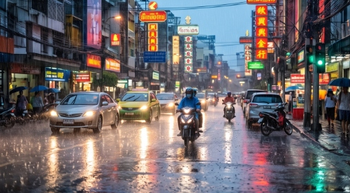
Monsoon Impact:
Heavy rainfall has significantly disrupted life in Mumbai, leading local civic authorities to order the closure of schools and colleges on July 6, 2026. While the monsoon has arrived, regional alerts remain active for Odisha, Kerala, and Himachal Pradesh, as authorities manage the risks posed by excessive precipitation. The meteorological situation remains volatile, requiring ongoing monitoring by local administrations to ensure public safety.
Urban Heat Dynamics:
Despite the arrival of seasonal rains, Indian cities are witnessing persistent heat. Experts attribute this phenomenon to urban structural factors and climate-driven changes that trap heat within densely built environments, preventing effective cooling at night. These urban heat islands lead to higher nighttime temperatures, creating significant discomfort for residents even during the monsoon season. This trend underscores a critical gap in existing heat action plans that often overlook community-level resilience in rapidly urbanizing regions.
Future Risks:
The combination of intense rainfall and lingering urban heat creates a dual crisis for civic infrastructure. Future municipal planning must now address not just flood management but also the increasing intensity of urban heat traps. As extreme weather events become more frequent, communities will likely require more robust climate-adaptive urban policies to mitigate both the immediate disruption of monsoon floods and the long-term health risks associated with rising urban temperatures.
Pulse Intelligence
AI AnalysisContext & Background
- The India Meteorological Department (IMD) monitors the monsoon progress annually, issuing alerts for heavy rain and potential flash floods.
- Indian cities have been experiencing a trend of rising nighttime temperatures over the past several years, often referred to as the urban heat island effect.
Key Consequences
- Schools and colleges in affected areas will remain closed to prioritize student safety during severe weather.
- Civic bodies will likely face pressure to upgrade urban drainage systems and implement climate-resilient cooling infrastructure.
Market & Economic Impact
Disruptions to logistics and retail are expected in affected cities, potentially affecting local supply chains.