
June 5, 2026 at 03:20 AM 2 min readhealthanalysis
Scientific Concern Grows As Study Shows Mosquitoes Learning to Love Repellents
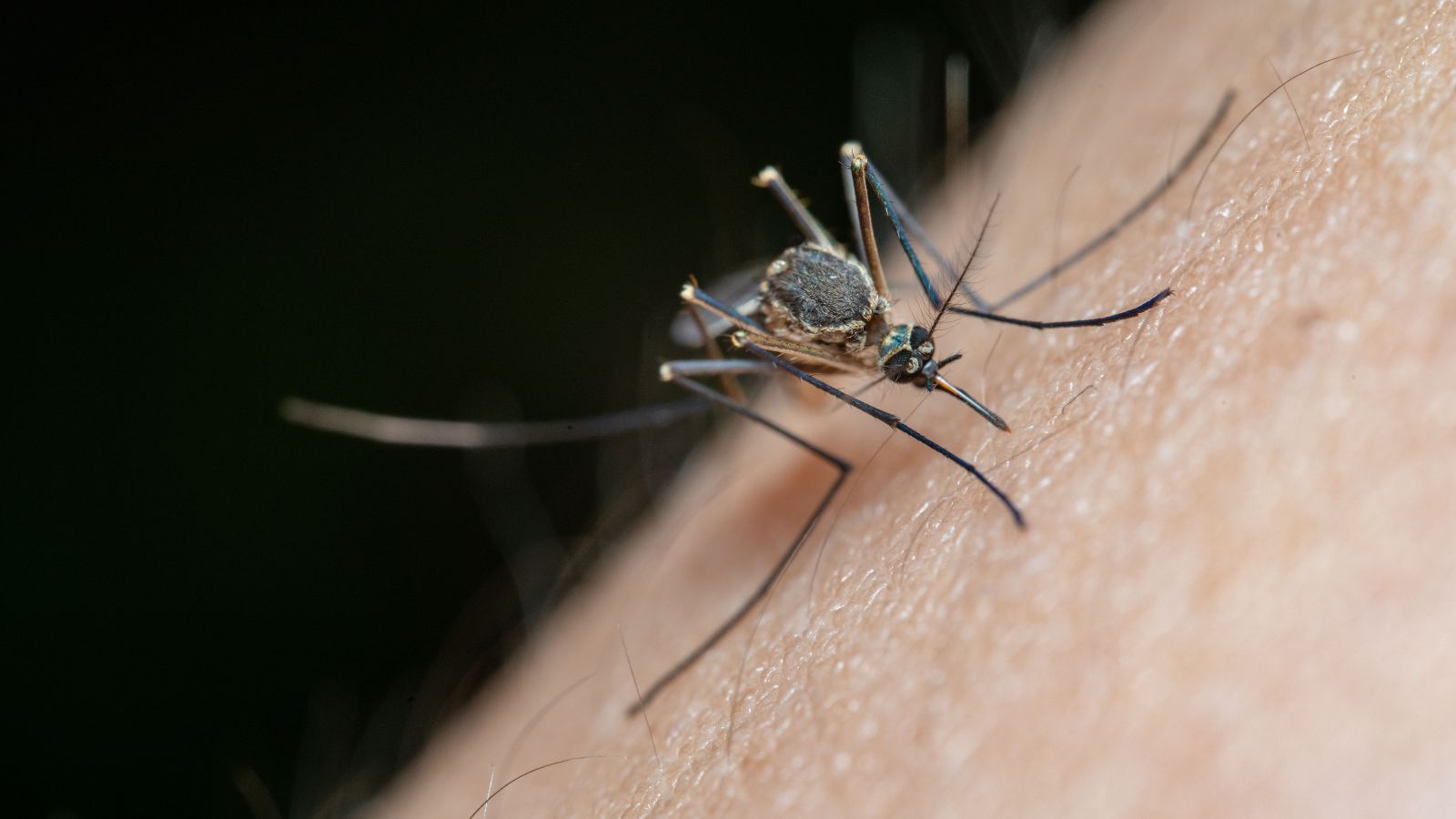
The Adaptive Threat:
A groundbreaking new study has revealed that mosquitoes are capable of developing a preference for the very insect repellents designed to deter them. Researchers found that after repeated non-lethal exposure to common chemical repellents, certain mosquito species ceased to be repelled and, in some cases, were actually attracted to the treated surfaces. This behavioral adaptation, known as 'olfactory learning,' suggests that the effectiveness of global mosquito control strategies may be compromised faster than previously anticipated.
Mechanism of Attraction:
The study explains that mosquitoes possess a sophisticated sensory system that allows them to associate chemical signals with environmental outcomes. When they encounter a repellent but are still able to feed or find a host nearby, the chemical is no longer perceived as a threat. This is particularly concerning for the Indian subcontinent, where mosquito-borne diseases like Dengue, Malaria, and Chikungunya are endemic. The failure of traditional repellents could lead to an increase in transmission rates if the pests no longer avoid human habitats treated with standard protective measures.
Future Control Strategies:
Experts are now calling for a shift toward more complex, multi-modal control strategies that do not rely solely on chemical barriers. This includes the development of new classes of repellents that target different neurological pathways in insects and the scaling up of biological controls, such as the release of sterile or genetically modified mosquitoes. For the average reader, this study highlights the importance of rotating different types of protection and using physical barriers like nets while the scientific community races to stay ahead of insect evolution.
Pulse Intelligence
AI AnalysisContext & Background
- Mosquito-borne diseases cause hundreds of thousands of deaths globally each year, with India bearing a significant portion of the burden.
- Insecticide resistance has already been documented in many mosquito populations, but behavioral attraction to repellents is a newer area of study.
- The Indian government's 'National Framework for Malaria Elimination' relies heavily on indoor residual spraying and repellent-treated nets.
Key Consequences
- A potential surge in mosquito-borne disease cases if current household repellents become ineffective.
- Accelerated research into 'smart' repellents and biological pest control methods by biotechnology firms.
- Increased public health messaging in India regarding the use of physical barriers like bed nets and window screens.
Market & Economic Impact
Potential negative impact on the market share of traditional chemical repellent manufacturers; opportunity for R&D-focused biotech companies.