
July 11, 2026 at 12:37 PM 2 min readaibreaking
Meta Withdraws Instagram Muse Image Tool Amidst Severe Privacy Backlash
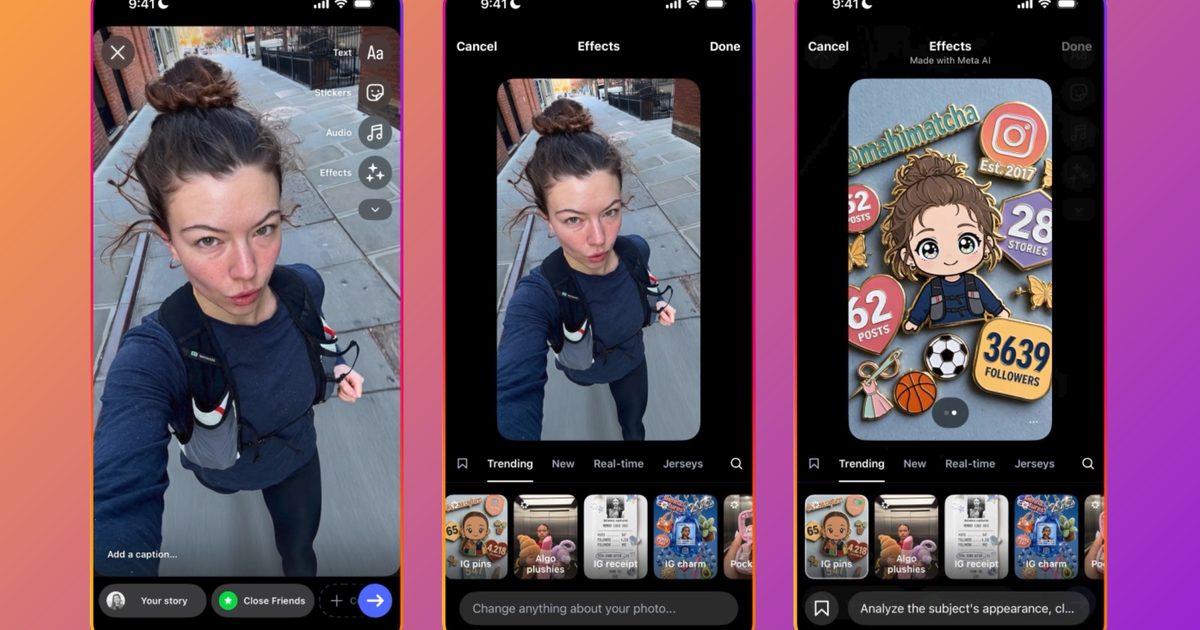
Feature Withdrawal and Privacy Concerns:
Meta has officially discontinued its newly launched "Muse Image" feature on Instagram following an intense public and regulatory backlash. Launched on July 7, 2026, the tool, developed by Meta Superintelligence Labs, allowed users to generate or alter images by tagging public accounts. The platform received harsh criticism for its default opt-in setting, which utilized personal photos of public adult accounts as raw training material without explicit consent. Major industry voices, including the Hollywood union SAG-AFTRA, condemned the tool for disregarding digital likeness rights, while security organizations like Malwarebytes warned that the lack of proper consent protocols could facilitate the creation of unauthorized deepfakes.
Technical Failures and Content Transparency:
The decision to pull the tool was accelerated by reports of significant functional flaws in its safety infrastructure. Independent researchers discovered that the platform’s "Content Seal" watermark, which was supposed to identify and label AI-generated images, failed to work if an image was simply cropped. This technical oversight undermined the platform's commitment to content transparency, forcing Meta to admit the feature "missed the mark" regarding user sentiment. While Meta stated that private accounts and users under 18 remained protected, the mandatory default setting for public profiles created a significant gap in user trust.
Market Implications and Future Path:
The failure of Muse Image highlights growing "AI fatigue" among social media giants facing rising ethical scrutiny. Analysts from investment firm Jefferies noted that such high-profile stumbles could temper aggressive AI deployment strategies across the tech sector. For the Indian market, where Instagram is a dominant platform, the incident reinforces the demand for robust, mandatory opt-in data protection frameworks. Meta now faces increased pressure to demonstrate that future AI tools include reliable, tamper-proof watermarking standards to regain public confidence as they refine their product roadmap.
Pulse Intelligence
AI AnalysisContext & Background
- Meta has been aggressively integrating generative AI into its ecosystem throughout 2026 to compete with OpenAI and Google.
- Public outcry over the scraping of user data for model training has intensified following recent regulatory updates in the European Union.
- Meta Superintelligence Labs introduced Muse Image on July 7, 2026, as a flagship generative AI feature for Instagram.
Key Consequences
- Meta will likely implement more restrictive and explicit 'opt-in' protocols for all future AI training tools to avoid regulatory scrutiny.
- Social media platforms face increased regulatory audits regarding the technical efficacy of AI watermarking and likeness protection.
- Increased pressure from creative industries will force platforms to better protect likenesses and public content from unauthorized AI training.
Market & Economic Impact
Negative sentiment regarding Meta’s AI execution may create short-term volatility in its stock price and suggests ongoing reputational risk.