
June 8, 2026 at 03:17 AM 2 min readautobreaking
India Launches E85 Fuel at 20% Discount to Petrol; Maruti Wagon R First Flex-Fuel Car
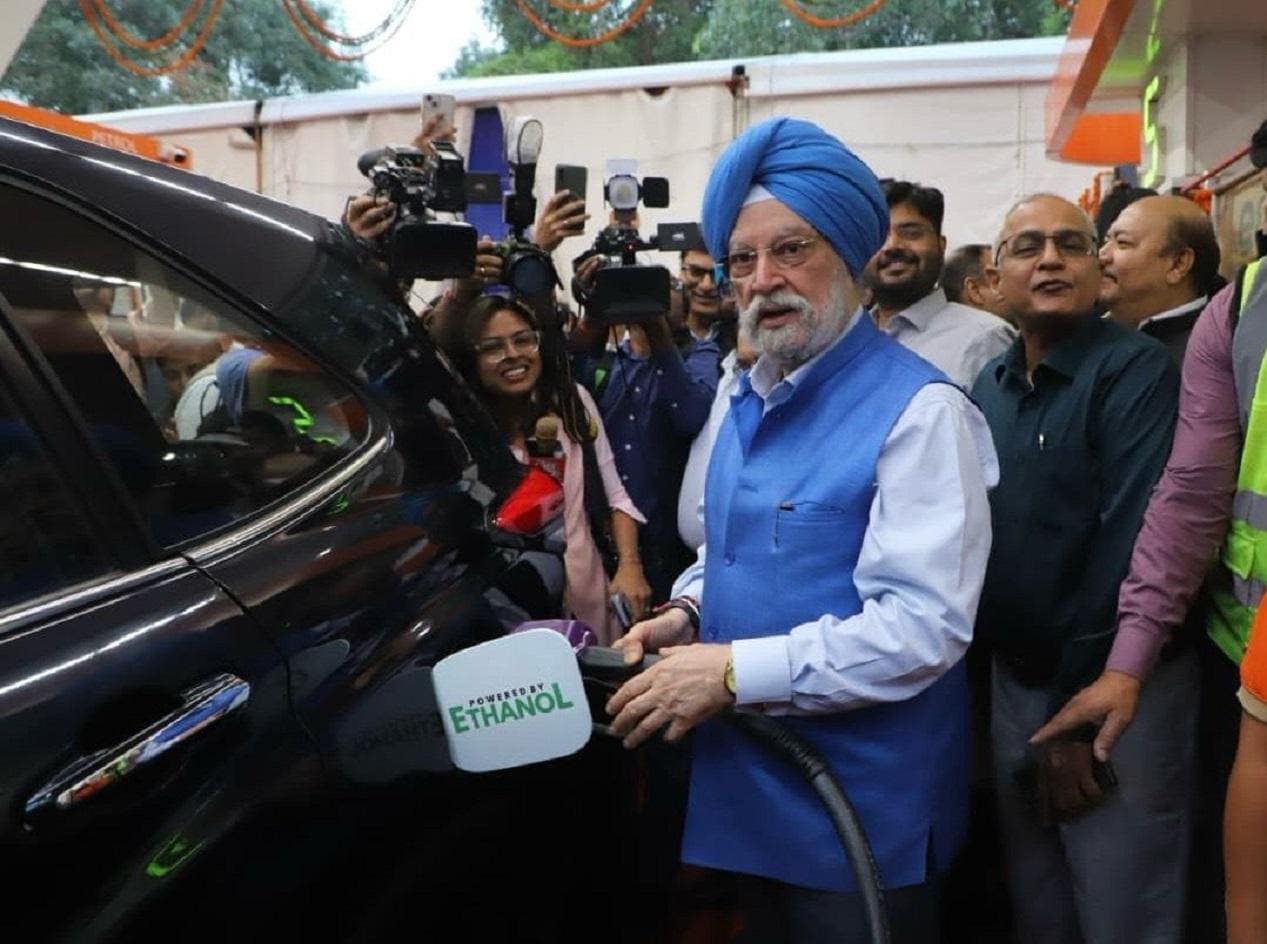
Introduction of E85 Fuel:
India has officially launched E85 fuel, an 85% ethanol blend, at a price point approximately ₹20 lower than E20 petrol, retailing at ₹82.12 per litre in Delhi. This initiative aims to reduce the nation's dependence on crude oil imports and lower carbon emissions. The fuel is exclusively for vehicles equipped with flex-fuel engines.
Flex-Fuel Vehicle Rollout:
Maruti Suzuki has unveiled the Wagon R Flex Fuel as India's first passenger car capable of running on ethanol blends from E20 to E100, homologated for E85. Initially, it will be available for fleet operators and cab aggregators like Ola and Uber. Hero MotoCorp has also launched flex-fuel versions of its Splendor+ and HF Deluxe motorcycles, adaptable for E85 usage.
Infrastructure and Future Plans:
The rollout begins with 48 public sector fuel stations and aims for 500 stations by December 2026, expanding to 5,000 by December 2027 across major Indian cities. While E85 offers cost benefits and reduced emissions, its lower energy density can impact fuel efficiency by 20-30% compared to petrol, necessitating richer fuel injection and adjustments in ignition timing. The government is also exploring isobutanol blending in diesel and hydrogen-based mobility solutions.
Pulse Intelligence
AI AnalysisContext & Background
- India is actively pursuing strategies to reduce its reliance on imported crude oil, a significant contributor to its current account deficit.
- The government has been promoting ethanol blending in petrol as a key component of its energy security and environmental goals.
- Flex-fuel vehicle technology allows for the use of varying blends of petrol and ethanol, offering flexibility in fuel sourcing and potentially lower running costs.
Key Consequences
- Widespread adoption of E85 fuel and flex-fuel vehicles could lead to substantial savings in India's oil import bills.
- This shift is expected to stimulate investment in India's ethanol production capacity and related manufacturing sectors.
- Consumers stand to benefit from potentially lower fuel costs, though they must consider the impact on vehicle fuel efficiency and potential higher upfront costs for flex-fuel vehicles.
Market & Economic Impact
The introduction of E85 fuel and flex-fuel vehicles could lead to increased demand for ethanol production and potentially influence crude oil prices in the long term.