
June 24, 2026 at 07:07 AM 2 min readautobreaking
Kyoto Prefecture And Luup Implement GPS-Based E-Scooter Shutdown Zone Along Kamo River
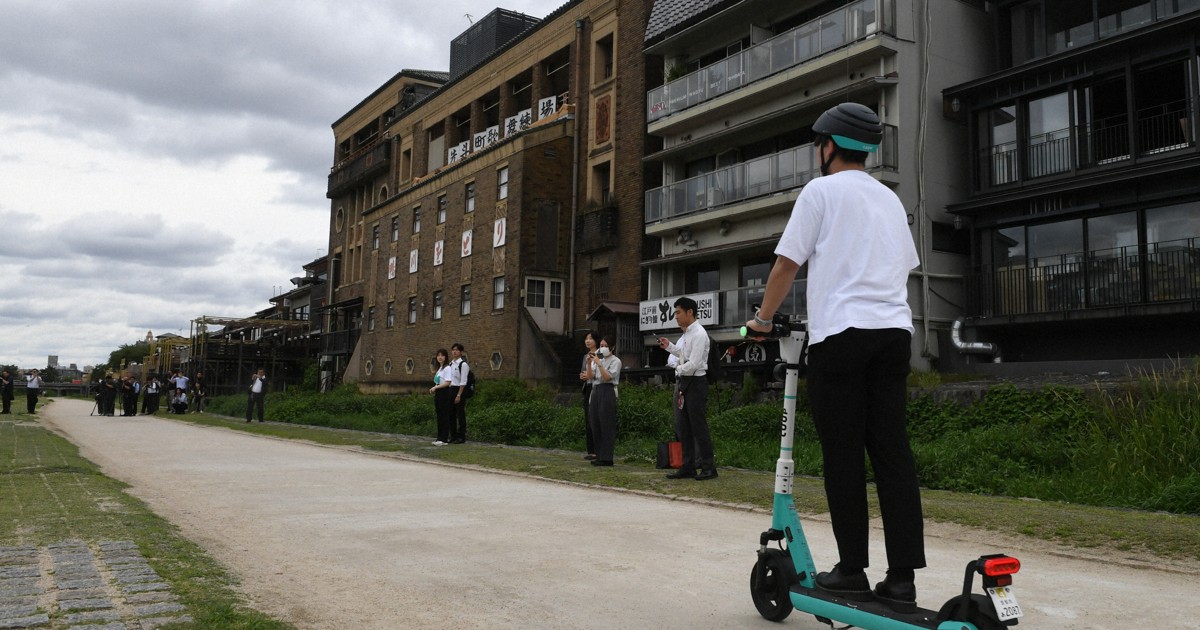
GPS-Based E-Scooter Restrictions:
Kyoto Prefecture and Luup Inc. have launched a pioneering safety initiative by introducing GPS-based automatic shutdown zones for electric scooters along the Kamo River. This program, which began on June 23, utilizes geofencing technology to detect when a scooter enters the prohibited riverside area. Once a violation is detected, the scooter issues an audio warning to the rider before automatically coming to a controlled halt, effectively preventing transit in areas strictly intended for pedestrians.
Addressing Public Safety Concerns:
The initiative responds to persistent issues regarding unauthorized e-scooter usage in pedestrian-only zones, which have raised concerns among local residents and tourists. Despite existing prohibitions enforced by local ordinances, riders frequently entered the riverside banks, leading to safety disputes. Luup CEO Daiki Okai noted that this technology provides a proactive solution where traditional warnings were insufficient, making it a world-first implementation of automatic shutdown technology for motorized micro-mobility in sensitive public landscapes.
Regulatory Significance:
Classified under Japan’s revised Road Traffic Act as specialized small motorized bicycles, e-scooters are generally confined to roadways. The collaboration between Kyoto officials and Luup represents a novel integration of smart infrastructure and regulation to protect historic areas. By leveraging onboard GPS to enforce compliance, this system sets a precedent for how cities might manage the intersection of modern transport technology and public safety. Further assessment of the program's success will likely determine whether similar measures are adopted in other highly frequented tourist regions throughout Japan.
Pulse Intelligence
AI AnalysisContext & Background
- Japan's revised Road Traffic Act of 2023 established new classifications and regulations for electric scooters.
- Kyoto has faced ongoing challenges balancing the rise of app-based e-scooter rentals with the preservation of pedestrian-heavy historic areas.
Key Consequences
- Enhanced safety for pedestrians along the Kamo River is expected as unauthorized scooter traffic is eliminated.
- The success of this pilot program may lead other Japanese cities to adopt similar GPS-based enforcement for e-scooter rentals.
- Luup may refine its geofencing algorithms based on the real-world performance of this shutdown feature in Kyoto.
Market & Economic Impact
Luup Inc. may see increased scrutiny or potential partnerships with other municipalities seeking similar geofencing technology.