
July 12, 2026 at 01:08 AM 2 min readaideveloping
KSEB Plans 315 EV Charging Stations Under PM E-DRIVE Phase II
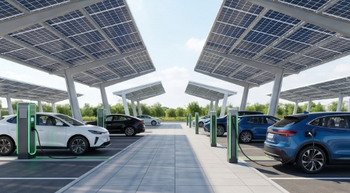
KSEB Expansion Strategy:
The Kerala State Electricity Board (KSEB) has unveiled plans to establish 315 new electric vehicle (EV) charging stations across the state as part of the Phase II rollout of the national PM E-DRIVE scheme. This initiative aims to bolster the existing public charging network to support the rising number of electric vehicles on Kerala's roads. The utility board seeks to accelerate infrastructure development by leveraging the central government's financial support while addressing the geographical demand for reliable power access for EV owners.
Push for Private Participation:
The move emphasizes a significant shift toward fostering stronger private sector participation in the EV ecosystem. By inviting private entities to collaborate in the setup and maintenance of these stations, KSEB intends to reduce the operational burden on the state while ensuring more efficient service delivery. This strategy aligns with broader national policy goals to decarbonize the transport sector through public-private partnerships, ultimately creating a more sustainable and scalable infrastructure model for regional transit.
Future Infrastructure Goals:
The project represents a critical step toward achieving state-wide electrification targets for public and private transport. Officials are prioritizing high-traffic corridors and urban centers to maximize the utility of the new stations. Successful implementation will depend on seamless coordination between the utility board and private operators to ensure technical compliance and consistent uptime for users. This expansion is expected to alleviate range anxiety and encourage wider adoption of electric mobility solutions among the public in Kerala.
Pulse Intelligence
AI AnalysisContext & Background
- The PM E-DRIVE scheme was introduced by the central government to incentivize the rapid adoption of electric mobility through enhanced charging infrastructure.
- KSEB has been actively transitioning its operational models to integrate renewable energy and support the government's push for a greener transit network.
Key Consequences
- Increased number of charging stations will likely boost consumer confidence in purchasing electric vehicles across the state.
- Private players entering the market can expect new business opportunities in maintenance and energy retail within the EV sector.
- The expansion will provide a foundation for integrating smart grid technology to manage higher electricity loads in urban areas.
Market & Economic Impact
The increased private participation is expected to foster competitive pricing in the state's EV charging sector.