
June 28, 2026 at 11:35 AM 2 min readindiaanalysis
Kiran Mazumdar-Shaw Criticizes Bengaluru Infrastructure, Sparks Debate Over Urban Planning
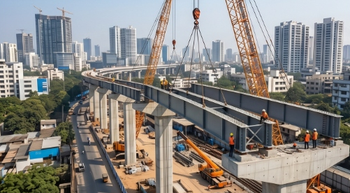
Bengaluru Infrastructure Critique:
Kiran Mazumdar-Shaw, founder of Biocon, recently described Bengaluru as a 'garbage city,' highlighting the urgent need for systemic improvements in the city's civic infrastructure. Sharing a vision of what the metropolitan hub could have resembled with strategic planning, her remarks have ignited a widespread online debate among residents and urban planners. The commentary underscores long-standing frustrations regarding waste management, traffic congestion, and urban sprawl.
Public Response:
The statement sparked polarized reactions on social media platforms, with many users echoing concerns over Bengaluru's rapid transformation from a 'Garden City' to a 'concrete jungle.' Critics of current infrastructure management point to the challenges of maintaining pace with the city's exponential population growth, while others highlight the struggle of balancing economic progress with sustainable civic amenities. The discussion serves as a broader commentary on the challenges faced by India’s major technological centers.
Urban Planning Implications:
This dialogue brings renewed attention to the necessity of long-term, integrated urban planning for India's fastest-growing cities. As leaders like Mazumdar-Shaw weigh in, the focus shifts to whether current civic administration can pivot toward a more sustainable and well-maintained future. The debate is likely to remain a focal point for city residents, who continue to demand tangible results in waste disposal and urban aesthetics.
Pulse Intelligence
AI AnalysisContext & Background
- Bengaluru, formerly known as the 'Garden City,' has faced significant challenges due to rapid industrial and residential development over the last two decades.
- Infrastructure management, particularly waste disposal and traffic density, has been a central point of tension between city leaders, tech entrepreneurs, and local authorities.
Key Consequences
- The increased public scrutiny could pressure civic bodies to accelerate waste management initiatives and urban beautification projects.
- Industry leaders may take a more active role in partnering with the government to fund or oversee civic infrastructure improvements.
- The ongoing debate may influence municipal priorities in upcoming local city elections, with infrastructure as a primary campaign issue.
Market & Economic Impact
No direct market impact, though sustained poor infrastructure could eventually affect the long-term attractiveness of the city for global business investment.